


Get the GoFantastic app


How to Get Rid of Ants in the House
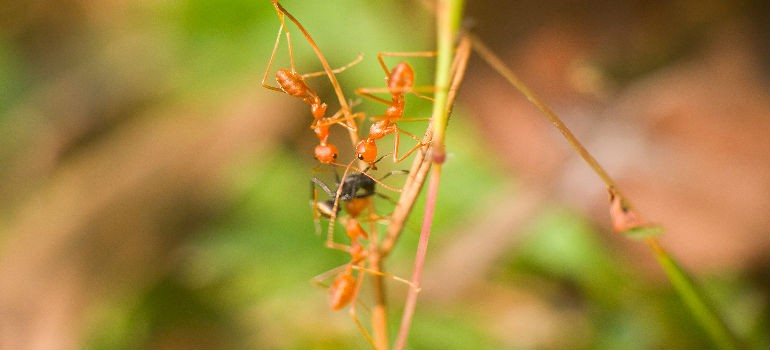
Ants in the house usually come from a nest outside, following a scent trail to food. To get rid of them, remove the food, wipe away the trail, put down an ant bait so workers carry it back to the queen, and seal the gaps they use. Sprays only kill the ants you can see.
Why do I have ants in my house?
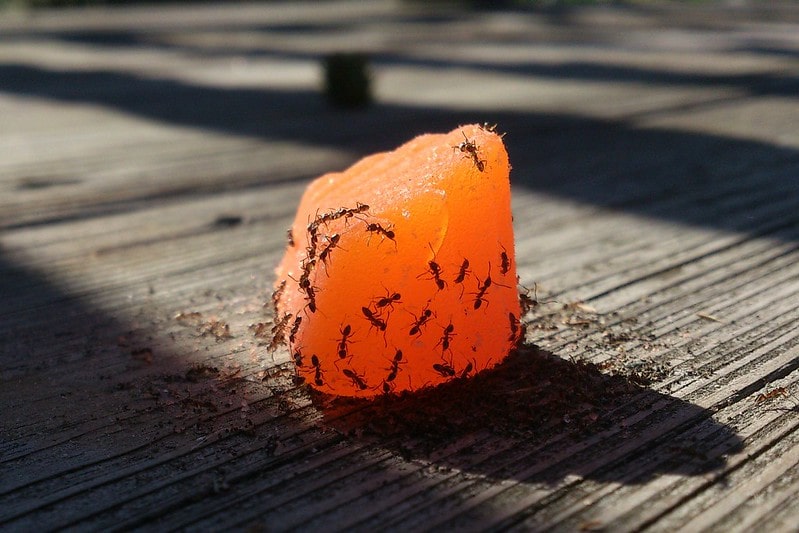
Ants are always on the lookout for food, and even tiny crumbs can be enough to bring them inside. Sweets, syrups, soda spills, and fruit attract sugar-loving ants. Cooking oils, butter, and greasy residues on countertops can lure ants. Open containers of flour, cereal, and sugar are easy for ants to invade.
Ants need water to survive, and a damp environment can attract them into your home. Also, ants look for safe places to build their nests, and your home might provide the perfect environment.
Signs of ant infestation in house
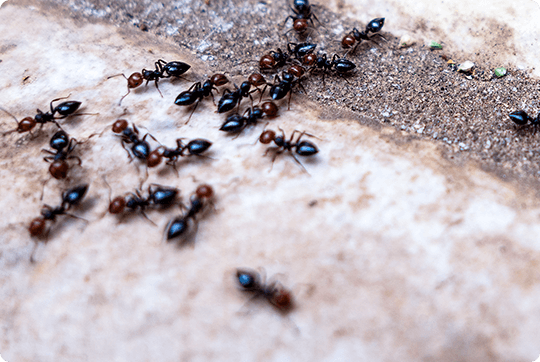
Signs of an ant infestation in the house include visible ant trails, particularly in the kitchen or near food sources. You may notice groups of ants around food crumbs, sugary substances, or pet food. Nesting sites may also be visible, such as ant hills or small holes in walls, floorboards, or near windows. Another sign is ants in unusual places, like bathrooms or living rooms, where they typically don’t forage. If you spot flying ants, it could indicate an established colony preparing to reproduce. A strong ant odour or the presence of discarded wings may also signal an infestation.
Types of ants that infest UK homes
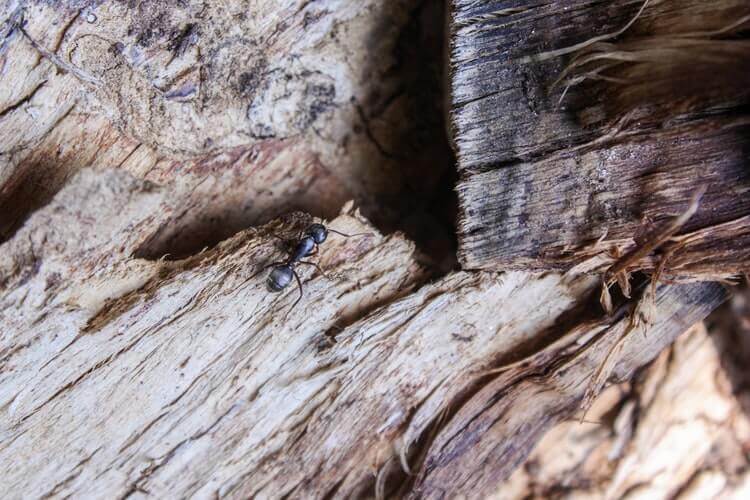
In the UK, several types of ants can invade houses, especially during the warmer months. Most species of ants are harmless, but some may pose a nuisance by foraging for food or damaging property. Home ant infestations in the UK can be:
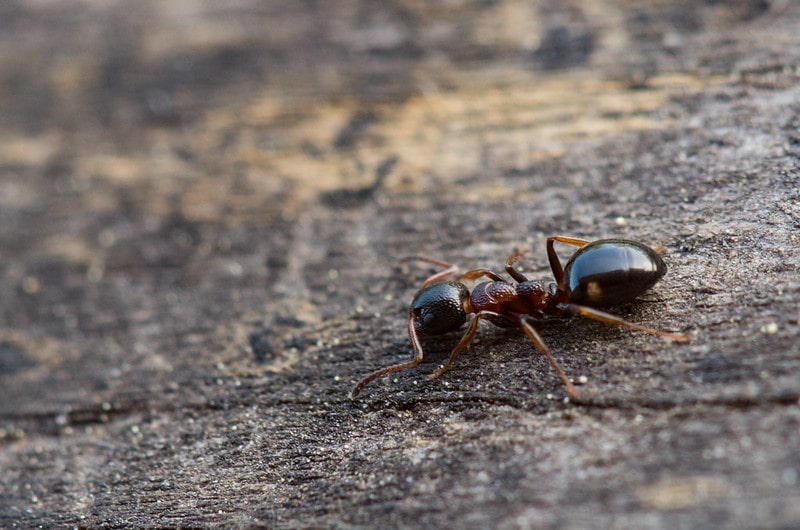
- The black garden ant– The black garden ant is the most frequently encountered species in UK homes. These ants, as the name suggests, can be found primarily in gardens. They prefer to build nests in the soil or beneath paving stones and patios. Speaking of their eating habits, garden ants have quite the sweet tooth but are also quite partial to high protein foods, such as meat and pet food.
- Roger’s ant – This ant, which is almost completely blind, prefers to forage underground, but still a pest in the UK. Unlike their garden cousins, these small reddish-brown ants do not follow or leave trails for others. This is because they hunt live prey. They like to build their nests in damp areas, such as around drains and behind the cracked kitchen or bathroom tiles. These locations offer them easy access to their moisture-loving prey, such as springtails and other household pests that love dark, damp areas.
- Pharaoh’s ant – Pharaoh ants are a serious problem in UK homes, especially in warm indoor spaces like kitchens and hospitals. It is the most common type of ant you may find in your home as the Pharaoh ant builds their nests almost exclusively indoors. Pharaoh ants are voracious foragers and will swarm upon any source of food with high protein, such as meat, fat, dead insects, and blood. They tend to build their nests in hard-to-reach areas of heated buildings and, since each colony can support multiple queens, it doesn’t take long for them to build a substantial population.
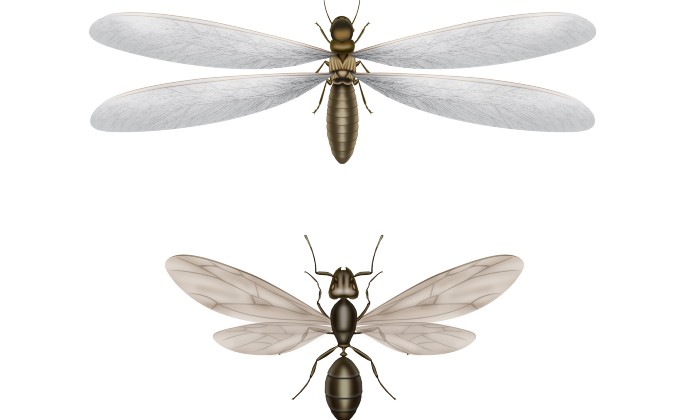
- Flying ants – They have bent antennas, pinched waist unequal length wings. Flying ants are just ordinary ants with wings. These ants fly to establish new colonies. In order to save themselves from extinction, the ants take to the skies so the queens can mate with males from another colony.
- Ghost ants – Ghost ants are becoming more common in UK homes due to their ability to thrive indoors. These tiny, almost translucent ants are worthy of their name as they are quite easy to miss. They prefer to build their nests in areas with a lot of moisture, such as behind bathroom cabinets and under the kitchen sink. When indoors, they will forage for sweet or greasy foods.
- Pavement ants – Pavement ants (Tetramorium caespitum) are a common ant species found in the UK urban areas, often nesting in cracks in pavements, driveways, and patios. These little dark ants are mostly seen during the warmer months of spring and summer but, if they nest indoors, they will swarm you all year long. Unlike the others mentioned on this list, the Pavement ant is not a picky eater. They will eat whatever they can find, but their preference is similar to a lot of humans – meat, starchy substances, and sweets.
Thankfully, the types of ants which inhabit UK are tame in comparison to some of the more aggressive species found in warmer climates. As such, we do not have to deal with massive colonies which are capable of devouring everything in their path.
How to get rid of ants in the house
Most ants you see indoors are workers looking for food. In the UK that’s usually the black garden ant, which is actually very dark brown and 3–5 mm long. Killing the ones on the worktop won’t stop more coming, so work through these six steps in order.
1. Find where the ants are getting in
Watch the ants for a few minutes and follow them back to where they enter: a gap under a door, a crack by a window, a pipe or a vent. If you can follow them outside, look for the nest entrance; small piles of fine earth are a giveaway. Our guide to finding an ants nest in the house shows the usual spots.
2. Remove what they’re feeding on
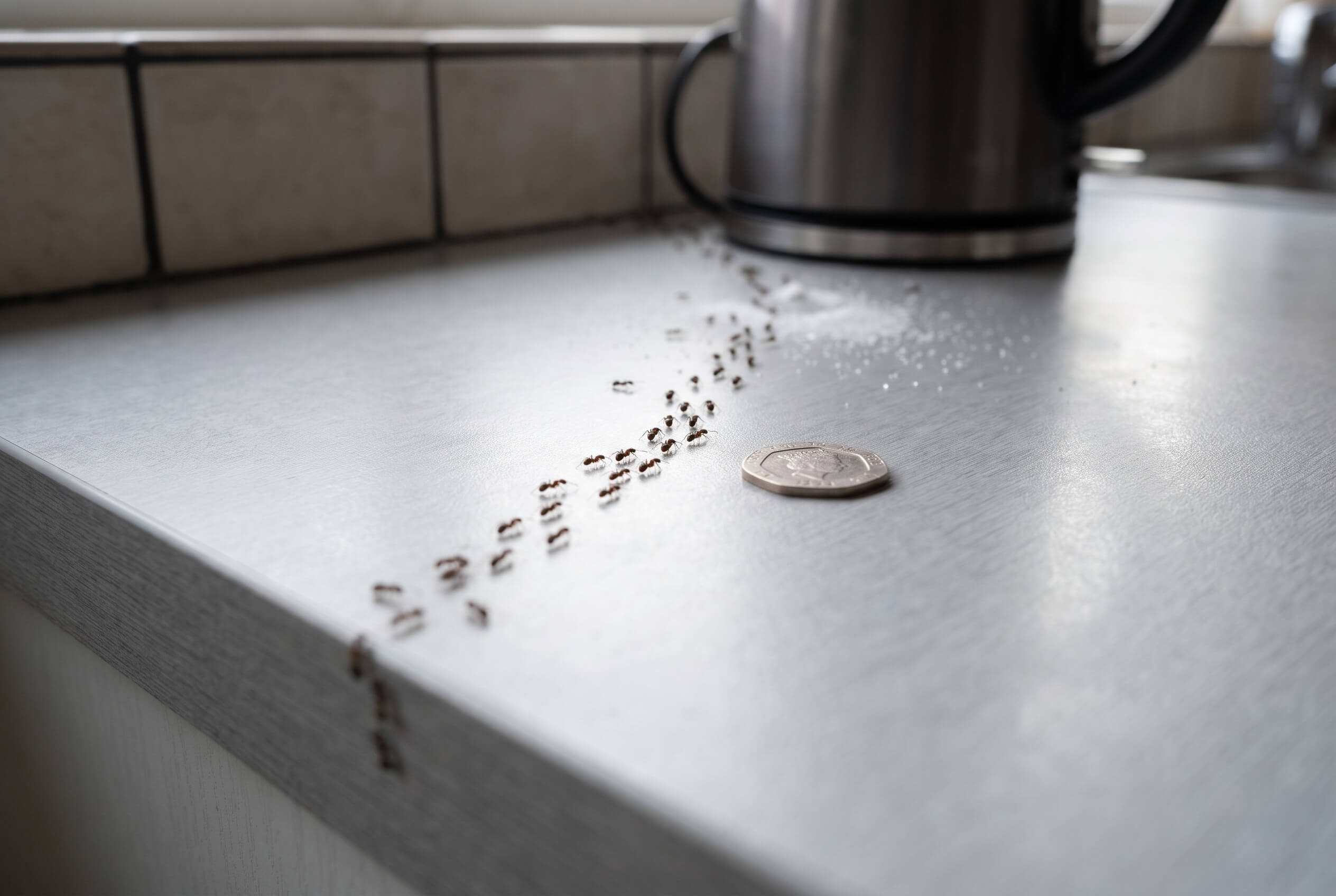
Ants come in for sweet food and carry it back to the nest. Wipe up crumbs and sticky spills, keep sugar, honey, jam and cereal in sealed containers, rinse recycling, and don’t leave pet food down longer than needed. In the kitchen, check behind the kettle, toaster and bin.
3. Wipe away the trail
Ants follow the path other workers have taken. Wash the route they use, along skirting boards, worktop edges and windowsills, with warm soapy water or your usual cleaner. This won’t get rid of the nest, but it stops new ants finding the same food as easily.
4. Use an ant bait, not a spray
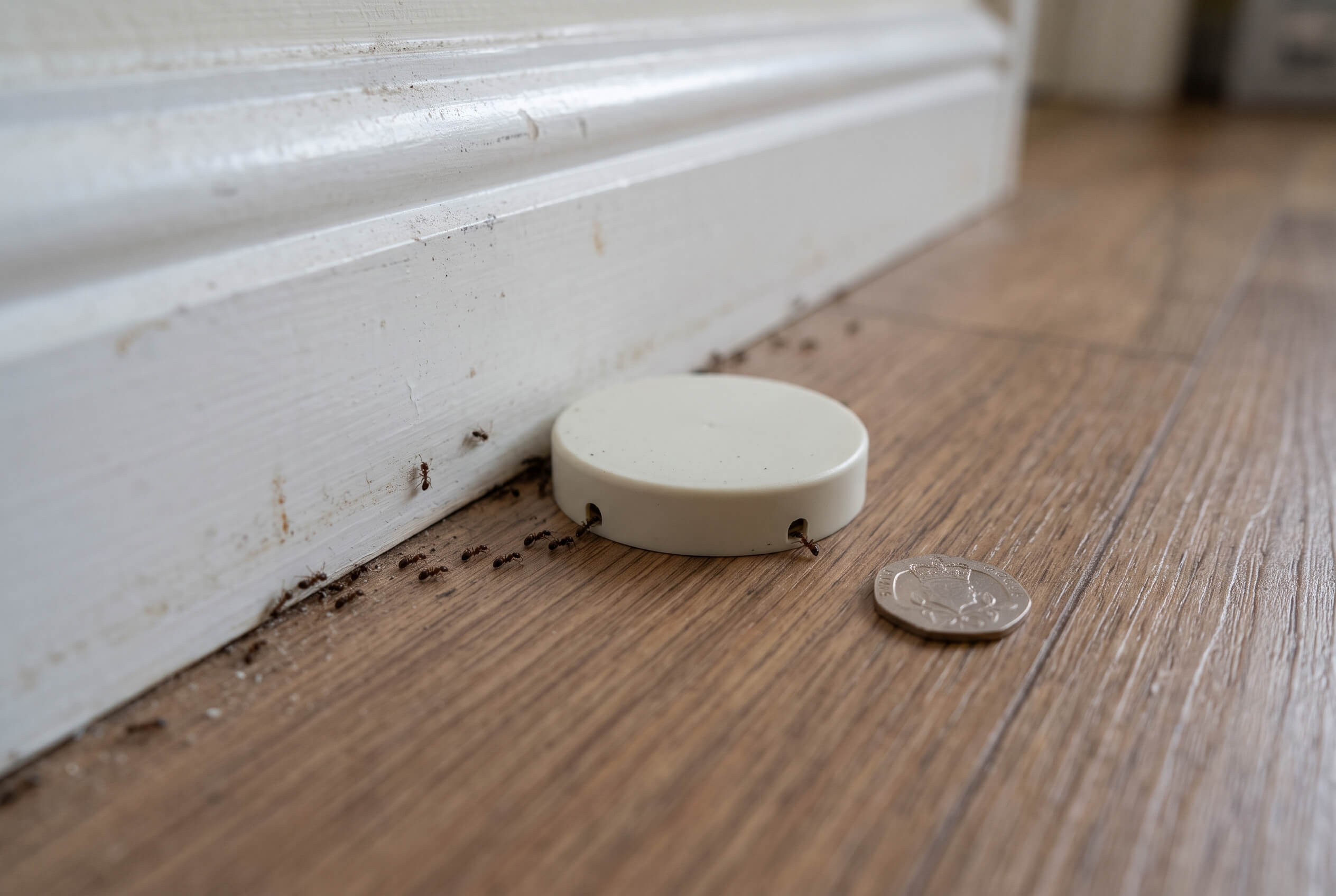
An ant bait is the step that reaches the colony. Workers are drawn to the bait and carry it back to the nest, where it reaches the larvae and the queen. Place bait stations or gel on the trail and near entry points, then leave the ants to feed; don’t wipe the trail or spray near the bait, or the workers won’t take it home.
Sprays give a quick knock-down but only short-term control. Use only ready-made ant products sold for home use, follow the label exactly, and keep them out of reach of children and pets.
5. Seal the gaps they use
Once the ants have stopped coming, seal the entry points you found in step 1: cracks under doorsills and windows, gaps around pipes, worn mortar and air vent surrounds. Use mastic or sealant for small gaps and mortar for masonry. Don’t block air vents completely; fit a fine mesh cover instead.
6. Check again after a week
Baits work over days, not minutes, because the workers need time to carry them back. Check the area again after a week. If ants are still coming in, put down fresh bait and look for a second entry point.
How to get rid of ants permanently
To get rid of ants for good, you need to reach the nest, not just the ants you can see. The queen stays in the nest and keeps laying eggs, so new workers replace any you kill. That’s why baits (step 4) plus sealed entry points (step 5) work better than sprays or home remedies.
You may still see flying ants for a few days in July or August. These are winged males and females leaving a nest to mate; hoover them up and seal the gap they came through.
If ants keep coming back after you’ve tried these steps, or you find very small, pale ants indoors (often in centrally heated flats), a professional is the better route. Small pale species such as pharaoh’s ants nest inside the building structure, often in several places. See our ant control service.
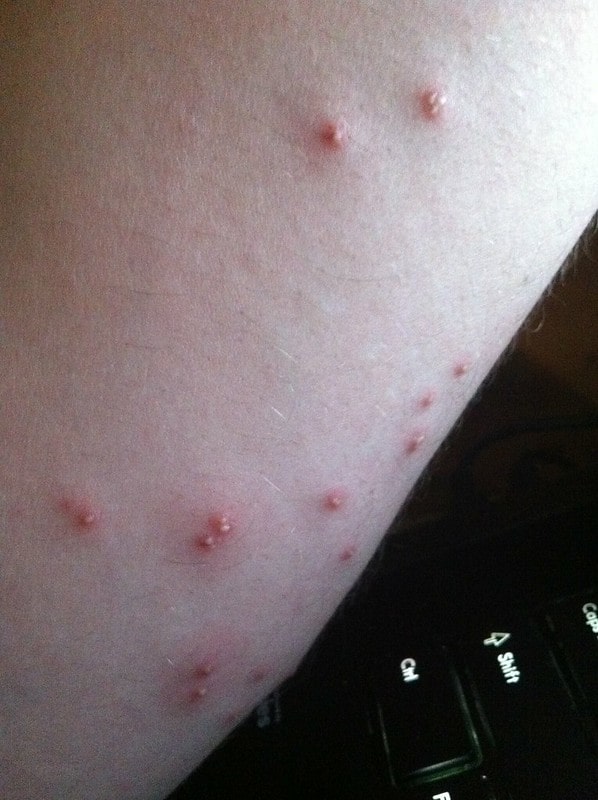
Read: Biting of stinging insects
What is a natural repellent for ants?
Home remedies can put ants off one spot for a while, but none of them reach the nest. Here’s what each one actually does.
| Remedy | What people say | What it really does |
|---|---|---|
| White vinegar | Erases the trail and keeps ants away | Cleans the trail where you wipe, like soapy water does. The nest is untouched, so ants usually return once the smell fades. |
| Lemon juice | Ants hate citrus | Same as vinegar: a short‑term trail cleaner, not a treatment. |
| Peppermint and other essential oils | Ants hate the smell | May put ants off a spot for a while. It doesn’t reach the nest or the queen. |
| Chalk line | Ants won’t cross it | A temporary barrier at best. It does nothing about the nest. |
| Boiling water | Kills the nest | Outdoor nests only, never indoors. It damages the nest but is unlikely to destroy it completely. |
| Boric acid or borax with sugar | A cheap homemade ant killer | Don’t mix your own poison. Use a ready‑made ant bait from a shop and follow the label. |
| Diatomaceous earth | A natural insect powder | Sold as an insecticide product, so treat it like one: follow the label and keep it away from children and pets. |
| Ant spray | Kills ants on contact | Quick knock‑down, short‑term control. Kills the workers you see, not the colony. |
Check also: Horrifying Zombie Ants: It’s a Real Thing!
Professional ant removal services UK
If DIY steps haven’t worked, a professional can treat the nest with products that aren’t sold to the public. A technician finds where the ants are coming from, treats the nest and entry points, and tells you which gaps to seal. See how our ant control service works, or compare pest control prices.
How to prevent ants from returning
Once the ants have gone, a few simple habits are the best way to stop ants coming in the house again. Garden ants are usually a problem in spring and summer, so it’s worth doing these checks before the weather warms up.
Keep entry points sealed
Check the places ants use to get in: gaps under doorsills and windows, holes where pipes enter the walls, cracked or crumbling masonry and the edges of air vents. Reseal small gaps with mastic or sealant and repair masonry with mortar.
Don’t leave food for them
Keep sugar, honey, jam, cereal and biscuits in sealed containers. Wipe worktops after cooking, clean under the toaster and kettle, rinse tins and bottles before they go in the recycling, and pick up pet food bowls once your pet has eaten.
Watch for nests near the house
Ants that come indoors usually nest outside, in lawns, flowerbeds or cracks in paving. Small piles of fine earth next to the walls are a sign of a nest close to the house. See our guide to getting rid of ants in the garden for outdoor nests.
Be ready for flying ants
Flying ants appear for a few days in late summer, usually July or August, when winged ants leave the nest to mate. If they get indoors, hoover them up and seal the gap they came through. If they keep appearing from the same spot inside, there may be a nest in the wall or under the floor, so it’s worth getting it checked.
Consider that we give information on possible ways to get rid of ants. However, we cannot guarantee that all of the above approaches will work for you.