




You wake up, stretch out, and notice a cluster of small red bumps on your arm. You didn’t feel a thing in the night, but something was clearly busy while you slept. It’s an unsettling feeling, especially when you’ve no idea what caused it or where it came from.
Unexplained bites in bed are more common than most people realise. The tricky part is that several different insects can bite you in bed, and they don’t all leave the same calling card. Getting the identification right matters, because the way you deal with a flea problem is very different from the way you deal with bed bugs.
TL;DR
- Bed bugs are the most common cause of bites in bed and leave small, itchy welts often in a line or cluster.
- Fleas bite in bed when pets share your sleeping space, usually targeting ankles and lower legs.
- Mosquitoes can enter the bedroom and bite at night, leaving raised, round bumps.
- Dust mites don’t actually bite but can trigger skin irritation and allergic reactions that look like bites.
- The location, pattern, and appearance of bites all help narrow down the culprit.
- Regular cleaning, checking pets, and using protective bedding covers significantly reduce your risk.
- Identifying the insect correctly is the only way to choose an effective treatment.
Table of Contents
What Insects Can Bite You in Bed and How Do You Tell Them Apart?
The insects most likely to bite you in bed are bed bugs, fleas, and mosquitoes. Dust mites don’t bite but cause skin reactions that are easy to mistake for bites. Each one leaves a different mark, targets different parts of the body, and comes with its own set of clues around the room.
Identifying the insect correctly is genuinely the most important step. If you treat for fleas when you actually have bed bugs, you’ll waste time, money, and patience, and the problem will keep going. So before you reach for anything, take a close look at where the bites are, what pattern they follow, and whether there’s any physical evidence nearby.
Pull back your duvet and check the seams of your mattress for tiny dark spots or shed skins. Look at where the bites sit on your body. Check whether your pets are scratching more than usual. These small details point you in the right direction faster than you’d expect.
Bed Bug Bites
Bed bugs are the classic bedroom biter. They come out at night, feed on exposed skin while you sleep, and disappear back into their hiding spots before morning. You won’t feel them feeding because they numb the area as they bite. The reaction shows up later, usually by the time you’re having your morning cup of tea.
The bites themselves tend to be small, flat or slightly raised, and red. They often appear in a rough line or zigzag pattern. Common locations include the neck, shoulders, arms, and hands — wherever skin is exposed above the covers.
The bites are itchy, sometimes intensely so, and they can swell into larger welts depending on how your skin reacts. Some people have almost no visible reaction at all, which makes things tricky. If you’re sharing a bed and one of you is covered in bites while the other has nothing, that’s not unusual. People react very differently.
Beyond the bites themselves, look for signs of a bed bug infestation:
- Tiny dark brown or black spots on mattress seams, which are bed bug droppings
- Small rust-coloured smears on bedding or the mattress surface
- Pale yellow shed skins, especially near mattress edges and bed frame joints
- Live bugs: small, flat, oval-shaped, and reddish-brown in colour
- A faint, sweet, musty smell in the room when the infestation is large
Bed bugs don’t just stay on the mattress. They’ll tuck into headboards, bedside furniture, skirting boards, and even behind loose wallpaper. A professional bed bug control service will locate the source of the infestation and treat every affected area properly, because missing even one hiding spot lets them come back.
Check also:
What Bugs Can You Confuse for Bed Bugs
Spider Bite or a Bed Bug Bite? Here’s How to Tell the Differences
Can Fleas Bite You in Bed?
Yes, fleas can absolutely bite you in bed. It’s most common when pets sleep on or near the bed, since fleas hitch a ride on dogs and cats and then drop off onto bedding, carpets, and furniture. If your pet has fleas, your bed is fair game.
Flea bites have a very recognisable pattern. They’re small, intensely itchy, and usually appear in clusters or a rough line. Unlike bed bug bites, flea bites tend to concentrate on the lower body: ankles, feet, calves, and lower legs. That’s because fleas jump from floor level, so your legs are the first target they reach.
The bite itself has a small red spot in the centre surrounded by a red halo. The itch tends to be immediate and sharp, not delayed like with bed bugs. If you’re waking up with bites mainly around your ankles and lower legs, and your pet has been scratching more than usual, fleas are a strong candidate.
Treating just the bed won’t solve a flea problem. You need to treat your pet with a vet-recommended product and tackle the wider environment too, because flea eggs drop off into carpets and furniture and can hatch weeks later.
Mosquito Bites at Night
Mosquitoes are opportunists. Leave a window open on a warm evening, and one can quietly work its way into your bedroom, wait until you’re fast asleep, and have a full meal before you’ve any idea it’s there. It’s not a dramatic invasion. It’s just one small insect doing what it does.
Mosquito bites look different from bed bug or flea bites. They’re usually a single raised bump, round and puffy at first, then flattening out and becoming more intensely itchy. They don’t tend to form lines or clusters the way bed bug bites do. You’ll more often find one or two isolated bites on exposed skin like your face, neck, or arms.
The giveaway is often the sound. If you wake up in the night to a faint, high-pitched whine near your ear, that’s your culprit. You might also spot a mosquito resting on the ceiling or wall in the morning, or find a small smear of blood if you’ve rolled over onto it in the night.
Do Dust Mites Actually Bite?
No. Dust mites don’t bite. They’re too small to bite and have no interest in feeding on you. But they do cause skin reactions that people regularly mistake for bites, so they deserve a mention here. Dust mites feed on dead skin cells, and every bed is full of those.
The reaction most people experience is an allergic response to dust mite waste. Symptoms include itchy, irritated skin, redness, a rash, and general discomfort, all of which can look a lot like bite marks at first glance. You might also get a runny nose, sneezing, or watery eyes, especially in the morning after a night in a dusty bed.
The key difference is that there’s no distinct bite mark. The redness and irritation tend to be more of a general, diffuse rash rather than individual raised spots. It’s also worse for people with eczema or asthma, which can be another clue.
Dust mites thrive in warm, humid bedding. Washing bedding at 60°C or above, using allergen-proof mattress covers, and airing the bedroom regularly all help get rid of dust mites.
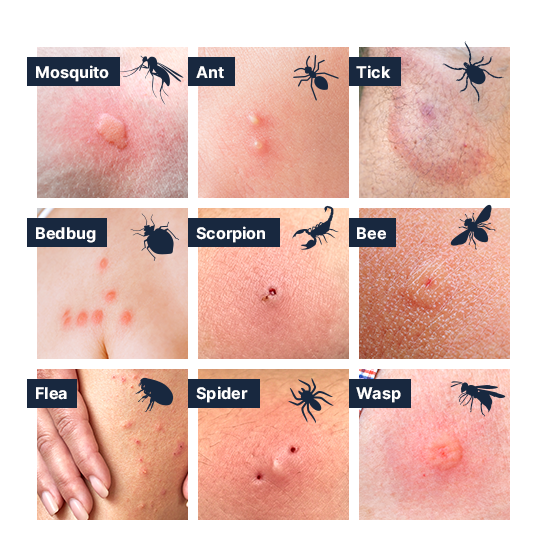
How to Distinguish Between Different Insect Bites
Once you’ve got a rough idea of what you’re dealing with, a side-by-side comparison helps confirm it. Here’s a breakdown of the main differences between the most common causes of bites in bed:
| Bed Bugs | Fleas | Mosquitoes | Dust Mites | |
|---|---|---|---|---|
| Bite appearance | Small, flat or raised red welts | Small red spot with red halo | Raised, round, puffy bump | |
| Pattern | Lines or clusters | Clusters, often 3 or more | Isolated, one or two bites | |
| Body location | Neck, shoulders, arms, hands | Ankles, feet, lower legs | Face, neck, exposed arms | |
| When itch starts | Hours after the bite | Immediately | Soon after the bite | |
| Physical evidence | Dark droppings, shed skins, live bugs | Flea dirt, jumping insects, scratching pets | Mosquito present in room |
Location on the body is one of the most useful clues. Bites clustering around the ankles strongly suggest fleas. Bites in a line along the arm or neck lean towards bed bugs. A single raised bump on the cheek while the window was open last night points to a mosquito. Use the whole picture: bite appearance, location, pattern, and what else you can find in the room.
Not sure what's biting you at night?
Our pest control specialists can identify the source of the problem and treat it properly.
Contact usPreventing Insect Bites While Sleeping
Prevention is a lot easier than dealing with an established infestation. A few straightforward habits go a long way.
Keep your bedding clean
Wash sheets, pillowcases, and duvet covers weekly at 60°C or above. This kills bed bugs, flea eggs, and dust mites in one go. Don’t let dirty laundry pile up near the bed either. It gives insects somewhere quiet to hide.
Vacuum regularly and thoroughly
Hoover the mattress, bed frame, skirting boards, and the floor around the bed. Pay attention to corners and the underside of the bed. Empty the hoover outside immediately after, because live insects and eggs can survive inside the machine.
Use mattress and pillow protectors
Allergen-proof covers seal the mattress and make it harder for bed bugs to get in or out. They’re also much easier to wipe clean. It’s a simple upgrade that makes a real difference.
Check your pets
If your pets share your bed or bedroom, check them regularly for fleas. Talk to your vet about a regular preventative treatment. Keep pet bedding clean and washed frequently too.
Close windows in the evening
If mosquitoes are the issue, the fix is usually simple. Close bedroom windows before dusk, or fit insect screens if you need ventilation. A single mosquito in a room can ruin a full night’s sleep.
Be careful with second-hand furniture
Bed bugs travel in used mattresses, sofas, and bed frames. Inspect any second-hand furniture carefully before it comes into your home. If there’s any doubt, leave it out.
Check also:
How to Prepare for Bed Bug Heat Treatment
What to Do if You Are Bitten
Most insect bites in bed are more uncomfortable than dangerous. That said, a strong reaction is always worth taking seriously.
For immediate relief:
- Wash the bite area with soap and cold water
- Apply a cold, damp cloth or an ice pack wrapped in a tea towel to reduce swelling
- Avoid scratching. It won’t help and risks breaking the skin and introducing infection
- An antihistamine tablet can reduce itching significantly, available over the counter at any pharmacy
- A mild hydrocortisone cream applied directly to the bite can ease redness and inflammation
Most bites clear up within a few days. See a GP if bites become infected, if the redness and swelling spread significantly, if you develop a fever, or if you have any signs of a serious allergic reaction such as swelling around the face or difficulty breathing. That’s rare, but it matters.
If the bites keep coming back night after night, treating the symptoms without addressing the source is pointless. Figure out what’s causing them and deal with that directly.
Tired of waking up with bites every morning?
Don't let it drag on. Get professional help, find the source, and put a proper stop to it.
Contact usConclusion
Waking up with unexplained bites is frustrating, but it’s a solvable problem once you know what insects can bite you in bed and what signs each one leaves behind. Bed bugs, fleas, and mosquitoes all have distinct patterns and clues that help you narrow things down quickly. Getting that identification right is what lets you take the right action.
Prevention does most of the heavy lifting. Regular cleaning, fresh bedding, treated pets, and a bit of vigilance keep most of these problems from ever starting. If something does take hold, act quickly. The sooner you deal with it, the easier it is to sort.