




Christmas tree bugs are more common than most people realise, and if you’re buying a real tree in the UK, there’s a decent chance it’s already hosting a few uninvited guests. The most frequently found species on British-grown and UK-sold trees are aphids, adelgids, and conifer spinning mites, though bark beetles, psocids, and spiders turn up too.
The good news: almost all of them die indoors within days. Your home is too dry and too warm for them to survive for long. But knowing what you’re dealing with, and how to handle it before the tree comes inside, makes the whole thing a lot less stressful.
TL;DR
- Real Christmas trees commonly harbour aphids, adelgids, mites, bark beetles, psocids, spiders, and pine needle scale.
- Most christmas tree bugs die indoors within a few days because your home is too dry and too warm for them to survive.
- Shaking the tree vigorously before bringing it inside removes the majority of any live bugs and loose eggs.
- Aphids are the most frequently spotted bug on UK Christmas trees, particularly dark-coloured Cinara species on firs and Eulachnus on pines. Don’t squash them on fabric or walls as they leave a red or purple stain.
- Conifer spinning mites (Oligonychus ununguis) are tiny and hard to spot but are among the most common mites found on UK trees.
- Praying mantis egg cases are a concern mainly for trees imported from North America. If you’re buying a Nordmann fir or Norway spruce grown in the UK or Europe, this is rarely something you’ll encounter.
- Bird nests found on farm-grown trees can harbour mites. Check the trunk and lower branches before buying.
Table of Contents
Bugs in Real Christmas Trees
- Adelgids. These are tiny, sucking bugs that secrete cottony wax filaments over the branches and the stem that resemble a dusting of snow on the Christmas tree. They are sedentary and cannot fall from the tree unless you use some force. They can flock together in bizarre forms but are generally harmless.
- Aphids. Aphids are probably the most commonly spotted christmas tree bugs on UK-bought trees. The species you’re most likely to find depend on the tree: Cinara aphids are frequently found on firs (including Nordmann), while Eulachnus species tend to turn up on pines. Both are dark-coloured, slow-moving, and easy to mistake for specks of soil or debris on the lower boughs. Most are tiny and inactive, though some grow large enough to spot with the naked eye. The key thing to know is that these aphids can survive only on the particular tree they came from, so they won’t attempt to migrate to your houseplants. Don’t squash them on furniture or walls though, as they leave a red or purple stain that’s difficult to shift.
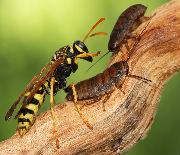
- Sawflies. They are less common than other pests and bugs but are more likely to be found on spruce and pine trees. Sawflies are brown cocoons that hatch black and yellow flies.
- Bark Beetles. Cylindrical, hard-bodied red, brown and black bugs about the size of a grain of rice, which get their name from the fact that they mostly bore into the tree trunk, creating small holes and fine sawdust. Unlike woodworm, which causes similar symptoms on wood, this specimen wouldn’t target your furniture because they need humidity, and all furniture is made of dry wood.
- Spiders & Mites. Neither mites nor spiders would harm your Christmas tree. The specific mite most commonly found on conifers is the conifer spinning mite (Oligonychus ununguis), a tiny spider-like creature that spins fine webbing across needles and branches. Both mites and spiders are on the tree precisely because there’s food, aka other insects or their eggs. They are harmless to humans and pets, so it won’t be a big deal just to leave them be. If you are interested, you can read more about spiders’ benefits and their eating habits.
- Praying Mantis. Light tan, walnut-sized egg mass (which can contain up to 400 eggs) that will begin to hatch after several weeks of being indoors. You may even find their egg cases attached to the branches. The tiny mantis will swarm around the tree looking for food. They will most likely eat any other insects infesting the Christmas tree and might even devour each other if they’re the only ones left. In this case, take that part of the branch outdoors to keep it from hatching inside. (Note: praying mantis egg cases are primarily a concern for trees imported from North America. If you’ve bought a Nordmann fir or Norway spruce grown in the UK or Europe, you’re very unlikely to encounter this.)
- Psocids. Psocids are small, winged bugs, also known as bark lice or booklice, that feed on including fungus, mould, pollen, and dead insects. These die the quickest when exposed to dry indoor air. Despite their name, they are not like typical lice and do not bite or feed on humans.
- Pine needle scale. The eggs of these scale insects look like little white specs on your Christmas tree’s needles, almost like it has flecks of white paint on them. If they hatch, small red bugs will produce. When a Christmas tree is brought indoors, the crawlers may emerge after a couple of weeks and crawl on the tree and perhaps even on the floor and walls near the tree. If found off the tree, the crawlers can be cleaned up with a damp towel.
One more thing to check before you buy: bird nests. Farm-grown trees left outdoors can occasionally have nesting material tucked into the branches, and old bird nests are a known hiding place for mites. A quick look at the trunk and lower boughs before you hand over your money is worth the thirty seconds it takes.
Check also:
Where Do Insects Go in the Winter Time?
Most Common Wood Boring Insects in the UK
What Christmas tree should I buy?
The Nordmann fir has become the most popular choice in the UK for good reason. Its needles aren’t sharp, they don’t drop readily when the tree dries out, and it holds its shape well over the festive period. It’s also one of the most widely grown Christmas tree species in Britain and Europe, which means you’re less likely to bring home anything exotic in the way of bugs compared with imported varieties.
Based on a little research, below you can see what are the most commonly found Christmas bugs.
| Christmas Trees | Fir (balsam, Fraser, white, Douglas, Nordmann) | Pine (white, scotch, Monterey, Coulter, Jeffrey) | Spruce (Norway) |
|---|---|---|---|
| Adelgids | ✓ | ✓ | ✓ |
| Aphids | ✓ | ✓ | ✓ |
| Sawfly | – | ✓ | – |
| Spiders & Mites | ✓ | ✓ | ✓ |
| Praying mantis | any type of tree | ||
| Psocids | any type of tree | ||
| Bark Beetles | ✓ | ✓ | ✓ |
| Pine needle scale | ✓ | ✓ | ✓ |
Check also:
What Damage can Christmas tree bugs do?
The honest answer is: very little. Christmas tree bugs pose no real threat to your home, furniture, or pets. They can’t survive the dry indoor environment and most will die within a few days of being brought inside, long before they get a chance to cause any trouble.
The types of bugs inhabiting your Christmas tree are mostly harmless and won’t destroy your home. But don’t squash them as they may leave marks on furniture and walls.
How to Remove Pests from Christmas Trees?
This process of pest removal should start on the market. So, don’t be shy to look over the tree of your choice before buying. It’s never a bad idea to take along a bright flashlight with you as you select your tree.
How to check and remove bugs from a Christmas tree before bringing it indoors, from inspection at the lot through to final treatment.
Examine the tree
Look carefully around the branches and notice if anything is moving. Shine a torch onto the trunk at several points and check for bugs, eggs, or leftover bird nests. If you spot an egg case or nest, prune that section of branch before taking the tree home.
Shake before you buy
Ask the tree lot attendant to vigorously shake the tree to dislodge any bugs that might be present. Many lots have a mechanical tree shaker for this purpose. If not, a firm manual shake will do the job.
Let it sit in the garage
Once you’ve bought your Christmas tree, leave it for a few days in the garage before bringing it inside. Any bugs still on it will die on their own from lack of food and unsuitable conditions.
Shake it again
After a few days, lay a sheet around the base of the tree and give it another good shake. Any dead bugs should fall straight off.
Clean up the debris
Don’t leave dead bugs on the garage floor. Sweep them up or vacuum them away so there’s nothing to attract other pests.
Apply a final treatment if needed
There shouldn’t be much left at this point, but if you want extra peace of mind you can lightly spray the tree with neem oil or dust it with diatomaceous earth before bringing it indoors.
Are you dealing with a pest infestation?
You don't have to be alone in the battle against pests. Hire a professional pest expert!
Call usOr, simply give a call to Fantastic Gardeners’ Christmas tree service! Then you can be certain that no pests will infest your holiday.
Don’t hesitate and call Fantastic Services to Book Your Real Christmas Tree!
What about the bugs that made it into the house?
If by any chance, there were some bugs left alive after your treatment, they might find shelter around your property. But there is nothing to worry about, as they will soon find their death. The aforementioned Christmas tree pests are not able to survive inside properties (except for the spiders, but even they have limits). Simply sweep or vacuum any dead bug you find laying around.
Frequently Asked Questions
Are christmas tree bugs harmful to humans or pets?
No. The bugs commonly found on Christmas trees, including aphids, mites, adelgids, psocids, and bark beetles, do not bite humans or pets, do not carry disease, and cannot survive long enough indoors to cause any real nuisance. Psocids die almost immediately in dry indoor air. The only minor hazard is squashing aphids on light-coloured fabric or walls, where they can leave a red or purple stain. Otherwise, these are harmless passengers.
Do christmas tree bugs spread to other houseplants?
For the most part, no. The aphid species that infest Christmas trees, such as Cinara and Eulachnus, are highly host-specific and can only survive on the particular conifer they came from. They will not migrate to your houseplants. The same applies to most other christmas tree bugs. Spiders may roam away from the tree, but they have no interest in colonising your other plants and won’t infest them. The key takeaway: these bugs arrived on one very specific habitat, and without it, they simply can’t establish themselves anywhere else in your home.
The Fantastic Pest Control team cares about the state of your home and is always here to give handy tips that would keep your life away from pest infestations. Happy Holidays!
Image source: melis/shutterstock.com


Leave a Reply