




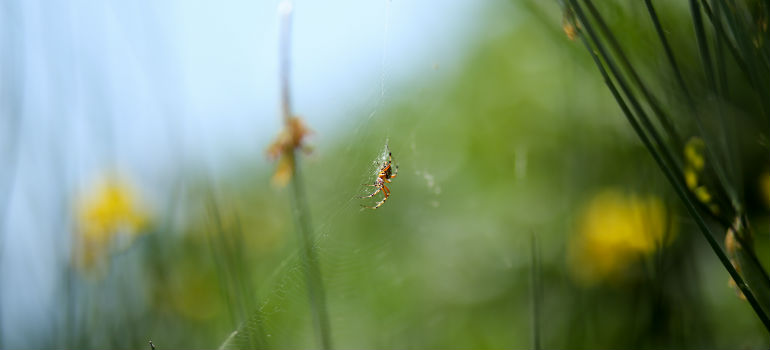
Spiders are not a pleasant sight for everyone, but have you ever wondered what do spiders eat? These little creatures act as nature’s pest control, feeding on common household bugs like flies, mosquitoes, cockroaches, ants, and moths. In recent years, more people have started leaving house spiders to live rent-free in their homes and gardens, recognising their role in keeping unwanted pests in check. Far from being a danger to people, spiders are quite the opposite.
TL;DR
- House spiders eat flies, mosquitoes, ants, moths, cockroaches, silverfish, fleas, and bed bugs.
- Larger species can take down small lizards and frogs; some spiders eat other spiders.
- Spiders don’t chew — they inject venom to paralyse prey, then use digestive enzymes to liquefy it.
- Most spiders eat every few days; larger species like tarantulas can go weeks between meals.
- Spiders come indoors for warmth and to hunt insects — not deliberately to bother you.
- In the garden, spiders are genuinely useful, preying on aphids and other plant-damaging pests.
- Natural predators of spiders in the UK include birds, frogs, toads, and some wasps.
Table of Contents
What Do Spiders Eat?
Though they seem quiet and discreet, spiders are skilled hunters when it comes to meals. Most follow an insect diet including flies, mosquitoes, ants, and moths. Larger species, such as tarantulas and huntsman spiders, can pursue larger prey including small lizards and frogs.
Where a spider lives determines its food. House spiders eat typical domestic pests like cockroaches, silverfish, and even dust mites. Jumping spiders and wolf spiders, on the other hand, aggressively chase and pounce on their prey instead of depending on webs.
How do spiders kill and eat their prey?
Spiders immobilise prey with venom, then use digestive enzymes to liquefy the insides before consuming them. They cannot chew, so they effectively drink their meal, leaving only an empty exoskeleton behind.
Web-building species spin sticky traps and wait for insects to become entangled. Once seized, the spider injects venom, paralysing the prey and breaking down its insides for easy consumption. Hunting spiders, such as jumping spiders, take a more aggressive approach. They ambush and attack their victims directly rather than waiting for them to come to the web.
How often do spiders eat?
Unlike humans, spiders don’t need to eat daily. Smaller species may snack every few days, while larger spiders, like tarantulas, can go weeks between meals. When food is scarce, spiders slow their metabolism to survive longer without eating.
What eats spiders?
In the UK, spiders have several natural predators. Birds are the most common, with robins, starlings, and sparrows all known to eat spiders regularly. Frogs and toads will take them too, which is one more reason to welcome a pond into your garden. Some wasp species, particularly spider-hunting wasps, paralyse spiders and carry them back to their nests as food for their larvae. Centipedes, certain beetles, and even other spiders will also prey on them when the opportunity arises.
Do spiders drink water?
Yes, spiders do drink water. They absorb moisture from the prey they eat, but they will also drink water droplets from surfaces, webs, or condensation when available. This is why you sometimes find spiders near sinks or in bathrooms — they’re often just looking for a drink.
Check also:
What Do House Spiders Eat?
The house spider diet includes any insect that flies or crawls — ants, bees, mosquitoes, cockroaches, centipedes, aphids, flies, and beetles. Most common house spiders in the UK are predators and will help control the population of other insects inside your home.
Do spiders eat woodlice?
Woodlice tend to inhabit moist places both in your home and garden. While not all spider species would eat these creatures, there is one species that feeds primarily on woodlice. It’s the Woodlouse spider.
Do spiders eat fleas?
Yes, spiders do eat fleas. Whether the fleas are in your garden or inside your house, spiders will happily feed on them when the opportunity presents itself. That said, if you have a heavy flea infestation, spiders alone cannot take care of the problem. They’ll catch the odd stray, but they won’t put a dent in a full-blown infestation.
Do spiders eat silverfish?
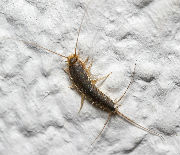
Yes, some spider species are known predators of silverfish. The spitting spider in particular will include them in its diet. If a silverfish infestation is starting somewhere in your home — most often in basements or attics — the presence of spiders can help slow it in the early stages. But as with any other heavy infestation, spiders won’t be able to handle it on their own.
Do spiders eat bed bugs?
If the spider is big enough, yes, it can eat bed bugs. The practical problem is that bed bugs mostly stay close to sleeping areas, while spiders tend to set up in corners, ceiling edges, and less-trafficked spots. They don’t often cross paths. Even when they do, spiders won’t eat enough bed bugs to control their population. So if you have a bed bug infestation, contact bed bug control specialists rather than relying on resident spiders.
Check also: Spider Bite vs Bed Bug Bite
Do spiders eat moths?
Indeed, house spiders do consume moths. Drawn to light, moths often find themselves directly in the web of a spider. Web-building spiders are well-suited to catching these tiny pests. Once a moth gets caught, the spider will fast immobilise it and start feeding.
Do spiders eat ants?
House spiders will eat ants as well. Although ants are not usually the simplest food to catch, when they stray into a web spiders will nevertheless take pleasure in eating them. Some active hunters – such as wolf spiders or jumping spiders – will even hunt ants to capture and eat. Although house spiders can assist cut the ant count in your home, they often are unable to curb a significant ant invasion.
Do spiders eat wasps?
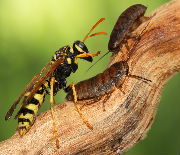
It does happen, but it’s not straightforward. Wasps are aggressive and hard to subdue, so most spiders don’t actively pursue them. However, larger web-building spiders — particularly the garden spider, which is common across the UK — can and do catch wasps in their webs. Once trapped, the spider moves quickly to wrap the wasp before it can sting its way free. Smaller house spiders tend to avoid wasps entirely. So while a spider catching a wasp is not unusual in a garden setting, it’s not something you can rely on as any kind of wasp control.
Do spiders eat other spiders?
Yes, some spider species will eat other spiders, particularly when food is scarce. This is known as cannibalism, and it does occur in the wild and in homes.
An example of a species turning to cannibalism is the Pholcus phalangioides, aka Daddy long-legs. No spider species actively seeks out other spiders as the main part of its diet, but opportunistic predation is common enough. There is also reproductive cannibalism in the spider kingdom — it is common in the insect world, and often it’s the females which kill and eat the males after mating. Cases of males eating females are extremely rare.
Check also:
So, Why Do Spiders Invade My Home?
It is a common misconception that spider invasions increase in Autumn because they are looking for shelter for the winter. However, this isn’t conclusively proven.
They usually make their home in people’s houses to hide from the harsh elements outside. Once they have found a warm cosy place, they would wait for any other unwelcome insect, like a mosquito, for example, to fly by their web.
If there is no food around, they will find another place to live. Still, it’s not pleasant to have them at home, and if their population goes out of hand, you might need to give a call to a spider control professional.
Are you dealing with a pest infestation?
You don't have to be alone in the battle against pests. Hire a professional pest expert!
Call usHow Effective are Spiders in Pest Control?
In a word — very effective. Research published in The Science of Nature estimated the world’s spider population collectively eats between 400 and 800 million metric tons of food per year, the vast majority of which is insects and other invertebrates. That’s a staggering amount of pest control happening quietly around you, for free.
This means that leaving a couple of house webbing spiders means they will take care of any other type of insect entering your home. The same goes for leaving spiders in your garden. If you see a spider’s nest, do not be quick to destroy it. Leave them be, and they will protect your flowers and produce from destructive pests, such as aphids.
How to Make Spiders Useful in My Garden?
After seeing just how much spiders eat, the logical next thought is how to put them to good use. The best idea is to let them work your garden. Spiders are natural predators of aphids, whitefly, and other insects that damage plants — so a garden with a healthy spider population is quietly being defended around the clock.
There are already stores where you can buy spiders to use as a biological weapon against all those pests who eat your garden plants. The good thing about spiders is that only a few species are known to eat plant matter, so as long as you don’t get any of those, you’ll be fine.
No harmful insecticide needed. The spiders handle it.
The catch is that most people are still too squeamish to deliberately introduce spiders into their outdoor space. In practice, the most effective spider populations are found in forests and countryside, where they play a critical role in keeping insect numbers balanced. But for a home garden, even a handful of resident spiders can make a real difference.
Check also:
Is There a Con of Using Spiders in the Garden?
One of the problems you may encounter is that spiders are relatively likely also to attack other spiders since they can get aggressively territorial. This might reduce the beneficial insects in your garden. However, so far, it has never been regarded as the kind of drop that would increase the population of harmful insects.
When you introduce a predator to an environment with lots of food, it’s normal that they grow in population, and eventually, they will have to compete. It’s all part of evolution.
Another con is that if their population grows out of control, they may also get inside your house and you may need professional pest treatment.
Takeaways
Spiders can be a very effective form of insect control if you have a flower or food garden. They would kill all unwanted pests while preserving your plants and even decorating them with beautiful shiny webs.
Do you agree with us? What other tips and tricks do you know about biological pest control? We’d love it if you shared them below in the comments.
Picture source: prdyapim / shutterstock.com


On average, a single spider eats about 25 metric tons of food each year… seriously? That’s a lol! Nice post, thanks for sharing!
Surely that’s every ton of spiders eat 25 tons of food. If we say a spider weighs 5g isn’t that each spider eats 125g of food?
Extremely interesting facts enjoyed reading this piece very much.
I totally agree with keeping spiders alive in my house, as they keep the number of flies down to a minimum and save me chasing flies down with some sort of swatter.
But my question is, during the winter months when there is a lack of flying insects, is there any other food source that I can keep them health with.
Yes I love spiders, I think they are one of the most impressive species on our planet.
Sounds weird but I would like to keep my spiders alive in my house with some other type of food but I do not know if that’s possible without buying flies, if that is even possible.