


Get the GoFantastic app


How to Get Rid of Grey Squirrels in Loft or Attic

Image by: Lee Haywood
Grey squirrels are probably the most spread squirrel species in the UK. Many consider them cute and innocent fluffy animals but among the pest control industry, grey squirrels are known as damaging pests which in certain cases have to be dispatched.
This article is helpful to those of you who have been experiencing a squirrel invasion in your loft, attic, or even the garden. We answer questions such as what are the signs that you have squirrels in your attic or loft, what methods work best to get rid of them, and some preventative tips against future invasions.
Signs of Squirrels in Your Loft or Attic
Squirrels are active during the day, so daytime scratching, running or gnawing in the roof space is a useful clue. However, the time of a noise cannot identify an animal on its own. Look for a combination of evidence: squirrels entering the roof, damaged access points, disturbed insulation and droppings.
So, if you assume there are squirrels scurrying in your loft or attic, here are a few signs you can check for:
- Scratching and other strange noises from your loft or attic;
- Damage to the insulation foam;
- The smell of urine in the loft or attic;
- Droppings which you can barely distinguish from the other rodents’ droppings.
- Nuts and seeds have been stolen from the bird feeding stations;
- The trees’ bark in your garden is peeled;
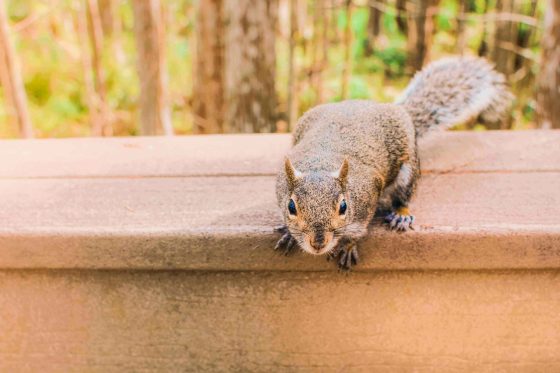
- Spotting squirrels around the house very often. Usually on fences or on a tree branch that is close to the attic or loft of the house.
Start by watching the outside of the building from ground level. Note the location of any repeated entry or exit, rather than assuming that squirrels visiting a bird feeder are living indoors. Photographs of the access point can help an inspector understand the problem without you climbing onto the roof.
Droppings also need careful interpretation. The British Pest Control Association notes that a pest controller may be needed to identify them. Avoid deciding between squirrels, rats and mice from one pellet or an online photograph. Record where the evidence was found and leave it undisturbed until the inspection. An identification error can lead to unsuitable treatment and leave the actual infestation unresolved.
Having squirrels in your property?
Book professional pest company to get rid of the intruders! Call 020 3746 2723
Check for Nesting Young before Removing Squirrels
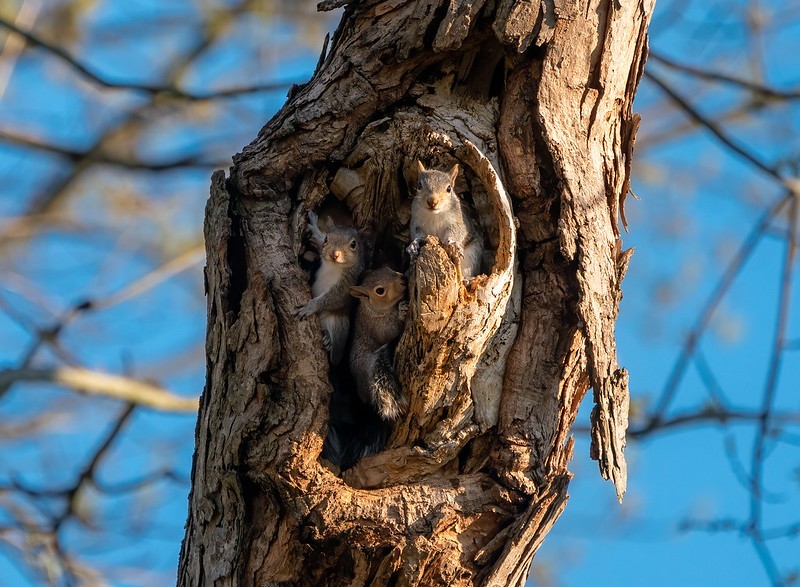
Before any removal or proofing work, establish whether the loft contains an occupied nest or dependent young. Grey squirrels can nest in roof spaces, and breeding activity makes this check particularly important. Seeing an adult leave the building does not establish that the nest is empty.
Ask the pest controller inspecting the loft to explain how they will assess the nest and account for any young before work proceeds. The decision to close an entrance needs to reflect what is happening in the individual property.
Do not poke a nest, pull it apart or block the entrance to encourage the animals to move. Those actions can interfere with the inspection and leave the situation harder to resolve. Keep children and pets away from the affected space while advice is being arranged.
How to Get Rid of Grey Squirrels in the Attic or Loft
After you are familiar with the signs they leave behind, it’s time to learn the most effective methods to get rid of squirrels quickly and according to the law.
Trapping grey squirrels
Trapping is well-known and probably the most effective way to get rid of grey squirrels. Here are the steps to follow in order to trap a squirrel.
- Choose an appropriate trap: the first and foremost step is to select the trap. For the best results pick a live-catch cage big enough for the squirrel to get inside.
- Decide where to place it: choose a flat surface where you can block the path of the squirrel. When trapping grey squirrels you can place the trap on the attic or loft, the base of the property, or the tree where they climb.
- Select a bait: to trap a wild animal you need something appetizing to attract it inside. Choose a bait that the squirrel won’t be able to grab and take out of the trap. For example, you can put peanut butter as it’s sticky and not solid.
- Make sure doors are wide open.
- Check the trap regularly so that the squirrel is not trapped for too long.
- Don’t release the grey squirrel as it’s forbidden in the UK. Instead, dispatch it humanely. Dispatching the animal might be distressing, so we recommend hiring a professional squirrel control company to do it instead of you.
Read more: How to dispose of a dead rodent.
You can spread sunflower or other seeds to trail a line leading to the trap and leave some seeds in front of the trap. This way, the squirrel will become more confident to get inside. Make sure you wear protective gloves when handling the trap with a squirrel inside.
Squirrel Repellents
There are few natural and commercial repellents that might work but not for a long time.
For example, ammonia is repellent. If you’ve found the squirrel’s nest, place some amount of the ammonia close to it. The strong smell will disturb the squirrel and make them see the attic as not that attractive place. This way they might not visit it for a decent time of period.
Other domestic cleaning products with a strong smell may work the same as ammonia (in case you don’t have one at your disposal).
Other natural repellents use the scent of a squirrel’s predator such as foxes, cats or dogs. This smell will keep the rodents away.
You can check online or in specialised stores (for gardening tools) for other chemical repellents. Always follow the instructions on the bottle and use the repellent as directed.
Other DIY Methods
Use lights in the attic or loft
As we’ve mentioned above squirrels are more active during the night before dawn. They don’t feel comfortable and rather feel exposed if there’s a light on. You can install lightning temporarily, use a flashlight or a standing light in your attic or loft. For better results, try this way alongside other methods. Also, if you know where the drey is, point the light toward it. It will bother the squirrels and they most probably will leave the drey and look for another shelter.
Make your attic or loft noisy
You can place a small radio in your loft or attic so that it makes a noise in the room. Squirrels will think there are people inside and force the animals to go elsewhere. You can also place the radio closer to the nest. If you choose to put it in your loft or attic, there’s no need to turn it up. It’s fine to volume it as long as it can be heard in the attic or loft.
Combine it with bright lights for the best results.
Hearing scratching noises in your loft?
Squirrels can damage insulation and electrical wiring. Book a professional squirrel inspection and take action before the damage gets worse. Call 020 3746 2723
How to Proof Your Loft against Squirrels
Proofing should follow confirmation that no squirrels remain inside. The NPTA recommends sealing access points with wire mesh or metal flashing after checking that the building is empty. It also recommends reducing roof access from nearby branches or climbing plants.
Ask for an inspection of the roof edge, including damaged soffits, fascias, vents and other suspected openings. The aim is to identify how the animals entered and specify a repair suited to that part of the building. A visible hole may need a building repair as well as pest proofing.
Discuss how any mesh or covering will preserve the function of ventilation openings. Chimneys and flues also require an appropriate solution; they should not simply be blocked. Where roof work is needed, use a suitably qualified contractor rather than attempting to reach the opening yourself. After the work, keep a record of the repaired locations and report any renewed activity promptly.
How to Prevent Squirrel Entry into Buildings
Here are few preventative measurements you can execute against future squirrel invasions:
- Seal all entry points, carefully check for openings, big cracks and close them in order to block the squirrel’s way to your property.
- Remove any tree branch which is in close proximity to your attic or loft.
- Remove bird feeding stations or block them for the squirrels. You can use food which they don’t like such as chilli flakes or millet.
- Block the chimney: sometimes squirrels get inside by climbing down the chimney. Make sure you cover it so that they are unable to use it.
Conclusion
Squirrels seem to be very cute but actually can be destructive and annoying. They are mostly attracted by food and look for secluded places. Your loft or attic is such a spot. The above methods are among the most effective but based on our practice, people can barely cope with the squirrels by themselves because they don’t have the necessary experience and know-how. That’s why professional help is the best choice you can make to get rid of the squirrels in your loft or attic.