


Get the GoFantastic app


Rat Prevention: How to Keep Rats Away for Good
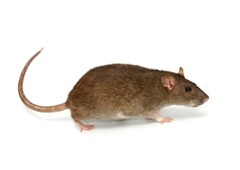
The best way to keep rats away is to take away what they need: food, water, shelter and a way in. Seal every gap of 15 mm or more, keep food, bins and bird seed covered, clear clutter and overgrown plants near the house, and keep drain covers in good repair. Smells like peppermint only help for a short time.
How to Rat-Proof Your Home and Keep Rats Away
1. Seal gaps of 15 mm or more
Rats can squeeze through a gap of about 15 mm. Check around pipes, cables, doors, windows, vents and air bricks, and fill gaps with wire wool packed in quick-setting cement or sealant, or cover them with metal mesh. Check that doors close tightly at the bottom, with no gap rats can squeeze under. For larger gaps or damaged brickwork, see our rat proofing service.
2. Keep drains in good repair
Rats often come up from the sewer through broken or uncovered drains. Make sure drain inspection covers are in place and undamaged, and seal off any disused pipes.
3. Remove food and water
Store food, pet food and bird seed in sealed metal or hard plastic containers, keep bin lids closed, don’t leave pet food out overnight and fix dripping taps. See what rats eat for the foods that attract them most.
4. Feed birds carefully
Use feeders that catch spilled seed or a bird table, and clear up any fallen seed or fruit each evening. Bird feeders and fallen seed regularly draw rats into gardens. See how to keep feeding birds without attracting rats.
5. Rat-proof your compost
Use a compost bin with a fitted lid on a solid base or with wire mesh underneath, and don’t add cooked food, meat or fish.
6. Clear shelter in the garden
Cut back overgrown plants and ivy near the house, keep the grass short, and store logs, timber and plant pots off the ground. Clutter next to walls, sheds and decking gives rats somewhere to hide and burrow. Read more on how to get rid of rats in the garden.
7. Use natural deterrents (but don’t rely on them)
Strong smells like peppermint oil, chilli and vinegar may put rats off for a short while, but the smell fades in days and won’t stop rats that already have a way in. If you want to try them:
- Peppermint oil – soak cotton balls in peppermint oil and place them near entry points and suspected nesting areas. Refresh them every few days.
- Ammonia – its strong smell can put rats off. Use it only in well-ventilated spaces and never mix it with bleach.
- Plants – lavender, mint, rosemary and sage around the garden may help put rats off settling nearby.
8. Check for early signs
Check lofts, sheds and the edges of the garden every few weeks for fresh droppings, gnaw marks and burrows. The sooner you spot them, the easier rats are to deal with. See the signs of rats in your house and how to get rid of rats if you find them.
Do Electronic Rat Repellers Work?
Ultrasonic rat repellents claim to emit frequencies that deter rodents. However, studies suggest their effectiveness is inconsistent. Rats may become accustomed to the sound over time, making them unreliable for long-term prevention.
Why Is Rat Prevention Important?
Even if rats eventually leave your home, the damage they cause remains. These rodents can:
- Chew through walls, insulation, and wiring – this can lead to costly repairs and even fire hazards.
- Contaminate food and surfaces – rats carry dangerous diseases such as leptospirosis and salmonella.
- Destroy gardens and outdoor spaces – they dig burrows, eat plants, and create unsightly damage.
- Pose a risk to pets and family – rats can bite, spread disease, and bring fleas and ticks into your home.
By taking preventative measures, you can avoid these issues altogether.
What Attracts Rats to People’s Homes?
Rats come in for food, water and shelter, usually through small gaps, damaged air bricks or broken drains, and more often in autumn and winter when food outside runs short. For the full list, see what causes rats to come into your house.
What Damage Do Rats Cause?
Rats can spread diseases such as leptospirosis and salmonella through their droppings and urine, and they gnaw through insulation, pipes and electrical cables, which can be a fire risk. See our guides to rat droppings and rat bites for the health risks.
When to Call a Professional
If you’re already seeing fresh droppings, hearing rats in walls or ceilings, or prevention hasn’t worked, the rats need treating first. Our technicians survey the property, set baited traps out of reach of children and pets, and seal the small gaps rats are using. Book rat control. For larger proofing work, see our rat proofing service.
Consider that we give an information on possible ways for rat prevention. However, we cannot guarantee that all of the above approaches will work for you.