




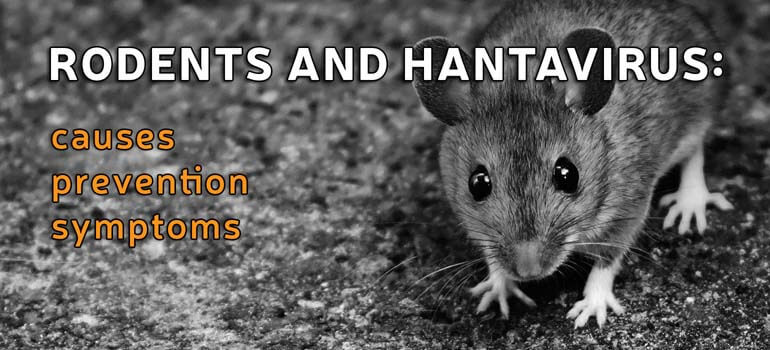
With hantavirus receiving renewed public attention in the UK, this guide helps homeowners, landlords and businesses understand how exposure can happen and what to do if they notice signs of rats or mice indoors.
Hantavirus can be carried by some species of rats, mice and voles. People may be exposed through contact with contaminated urine, droppings, saliva or nesting material, especially when particles are disturbed during cleaning or in enclosed spaces.
Although hantavirus infection is rare in the UK, proper pest control remains important. Rodent activity can create wider hygiene and health risks around properties, including contamination from droppings and urine, as well as other diseases associated with rodents, such as leptospirosis and salmonella.
Table of Contents
What is hantavirus?
Hantaviruses are a group of viruses that primarily infect rodents. These viruses are part of the family Hantaviridae and are transmitted to humans mainly through contact with rodent droppings, urine, or saliva, or by inhaling dust contaminated with rodent waste. Rarely, hantaviruses can spread through rodent bites.
How do rodents spread hantavirus?
Rodents spread hantavirus through various means, primarily involving their bodily excretions. The key methods of transmission include:
- Airborne Transmission – Rodent urine, droppings, and saliva can contain hantavirus particles. When these dry out, the virus can become airborne. Disturbing contaminated areas, such as cleaning rodent droppings, can release viral particles into the air, leading to inhalation by humans.
- Direct Contact – Humans can contract hantavirus through direct contact with rodent urine, saliva, or faeces. This often occurs when handling contaminated objects or surfaces without protective equipment. The infection is spread via direct or indirect exposure to mouse droppings, saliva, or rodent urine. The chances of getting sick from mouse droppings in the UK are relatively low but not negligible.
- Bites – Although rare, rodent bites can transmit hantavirus directly into the bloodstream.
- Contaminated Surfaces and Materials – Rodents can contaminate surfaces, stored items and food areas with urine, droppings or saliva. The main risk comes when people touch or disturb contaminated materials without proper precautions.
It is crucial to understand how rodents spread hantavirus in the UK. Rodent-proofing homes, practicing safe cleaning methods, and hiring a professional pest control service can reduce the risk of transmission of hantavirus. Keep your household and community safe by being vigilant and proactive.
What are the symptoms of hantavirus infection in humans?
These infections are characterised by respiratory failure, kidney problems, and even death in extreme cases. In the early stages, hantavirus infection may present with mild flu-like symptoms, which can make it challenging to identify without further medical testing.
The symptoms of this hantavirus in humans appear in 1 to 6 weeks after contracting the infection. Early symptoms include fatigue, fever, and muscle aches, which can progress into more severe respiratory issues:
- Shortness of Breath and Coughing: Hantavirus infection affects the respiratory system. A persistent cough is one of the first signs of respiratory distress. As the disease progresses, patients may develop rapid, shallow breathing patterns, resulting in acute respiratory distress syndrome. It is life-threatening and requires immediate medical attention. In severe cases, hantavirus can cause fluid to build up in the lungs, making it increasingly difficult for oxygen to enter the bloodstream.
- High Heart Rate and Low Blood Pressure: Heart problems can be caused by hantavirus infection. A rapid heart beat (tachycardia) and a drop in blood pressure (hypotension) are common symptoms at an advanced stage of the illness. Often, cardiac disturbances are linked to shock, which occurs when the body is unable to compensate for the respiratory failure and low blood flow.
- Nausea, Vomiting, and Abdominal Pain: The hantavirus infection also causes gastrointestinal problems for many individuals. Nausea, vomiting, and abdominal pain are some of these symptoms. Dehydration, while common with many viral infections, can sometimes further complicate the patient’s condition if left untreated.
- Fever, Muscle Aches, and Fatigue: In the beginning, hantavirus infection may appear similar to the flu. Fever and muscle aches accompany the infection, making it difficult to distinguish it from other viral illnesses.
Hantavirus can cause severe complications, especially respiratory and kidney problems. Early intervention with supportive care, such as oxygen therapy and intravenous fluids, can improve recovery chances.
Check also:
How to Dispose of a Dead Rat Safely
Best practices to prevent hantavirus infection
The chances of getting hantavirus in the UK are quite slim, and there is no available vaccine as of yet. To reduce the risk of hantavirus transmission, follow these rodent-proofing methods:
- Seal rodents entry points – Mice and rats are able to squeeze through tiny gaps in walls, windows, and doors. Ensure that your home’s exterior is sealed against rodent entry by sealing all cracks and holes. It includes sealing gaps around doors, windows, and plumbing pipes.
- Remove food sources – Rodents are attracted to food, so make sure to store food in rodent-proof containers (such as metal) and avoid leaving pet food around the house. Clean up food crumbs and spills immediately, and secure trash bins with tight-fitting lids. Create a habit of storing your food, water, and litter in containers with tightly sealed lids.
- If you have a yard or a garden, make sure that it is tidy all year round to deny mice or rats easy access to your property.
- Safely clean up rodent dropping – If you suspect a rodent infestation, it’s crucial to clean up droppings, nests, and urine safely. Wear rubber or plastic gloves, protective clothing and a suitable mask before handling contaminated areas. Never sweep or vacuum rodent droppings, urine or nesting material, as this can stir up contaminated dust and make particles airborne. Always wet the affected area with disinfectant before cleaning and avoid actions that can disturb dust from rodent waste. Once the area has been soaked, wipe up the material with paper towels, dispose of it securely, then disinfect the surrounding surfaces and wash your hands thoroughly.
- Use rodent traps and repellents – Traps are an effective method for eliminating rodents from your home. You can buy rodent traps online or purchase humane rodent removal to capture and release the animals safely. For larger infestations, you better call professional rodent exterminator.
Early detection of a rodent infestation is key to preventing health risks like hantavirus.
Other common rodent-borne diseases:
Rodents in the UK are responsible for spreading a variety of diseases to humans. In addition to hantavirus, they can transmit diseases such as leptospirosis, salmonella, and lymphocytic choriomeningitis virus (LCMV). These diseases can cause symptoms ranging from mild flu-like signs to severe gastrointestinal issues or even death.
- Leptospirosis: A bacterial infection that can lead to liver damage, kidney failure, and meningitis.
- Salmonella: A bacterial infection that causes gastrointestinal illness, including vomiting, diarrhoea, and stomach cramps.
- Lymphocytic Choriomeningitis Virus (LCMV): A viral infection that can cause flu-like symptoms and, in severe cases, lead to neurological complications
Eliminate rodents from a home safely
Rodents pose a serious health risk, particularly due to diseases like hantavirus. By implementing effective rodent control methods, sealing entry points, and safely cleaning up rodent droppings, you can protect your home from rodent infestations and the dangerous diseases they carry. If you’re dealing with an infestation, don’t hesitate to consult professional rodent exterminators for safe and effective removal.
FAQs about rodent-borne diseases
- Can hantavirus be transmitted from person to person? – Most hantaviruses do not spread between people. However, rare person-to-person transmission has been reported with specific strains, such as the Andes virus. In most cases, people are exposed through contact with infected rodent urine, droppings, saliva or contaminated dust.
- What should I do if I suspect I’ve been exposed to hantavirus? – The first thing you should do if you experience flu-like symptoms such as muscle aches, headaches, or breathing difficulty is to seek medical attention right away.
- How do rodents transmit hantavirus to humans? – Some infected rodents can transmit hantavirus through their urine, saliva or droppings. When contaminated materials are disturbed, virus particles can become airborne and may be inhaled. People can also be exposed by touching contaminated surfaces and then touching their face.
- Are rodents the only source of hantavirus? – Rodents are the primary hosts of hantavirus, but not all rodents carry the virus. Infected rodents shed the virus in their droppings, which can then be transmitted to humans.
- Are there any long-term health effects from rodent-borne diseases? – If left untreated, rodent-borne diseases like hantavirus or leptospirosis can cause long-term health problems, including respiratory issues, organ damage, and neurological complications. Early detection and medical intervention are crucial to prevent lasting damage.





Leave a Reply