


Get the GoFantastic app


What Do Fleas Look Like? Signs of Fleas in Your Home
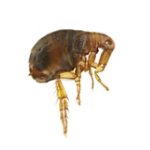
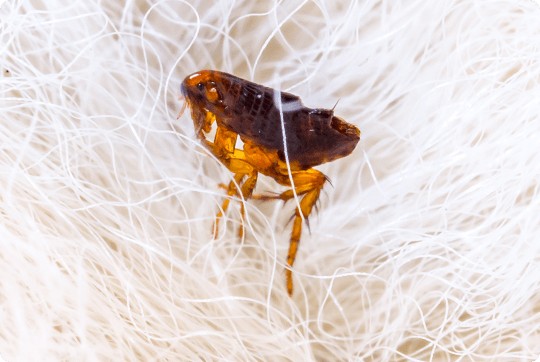
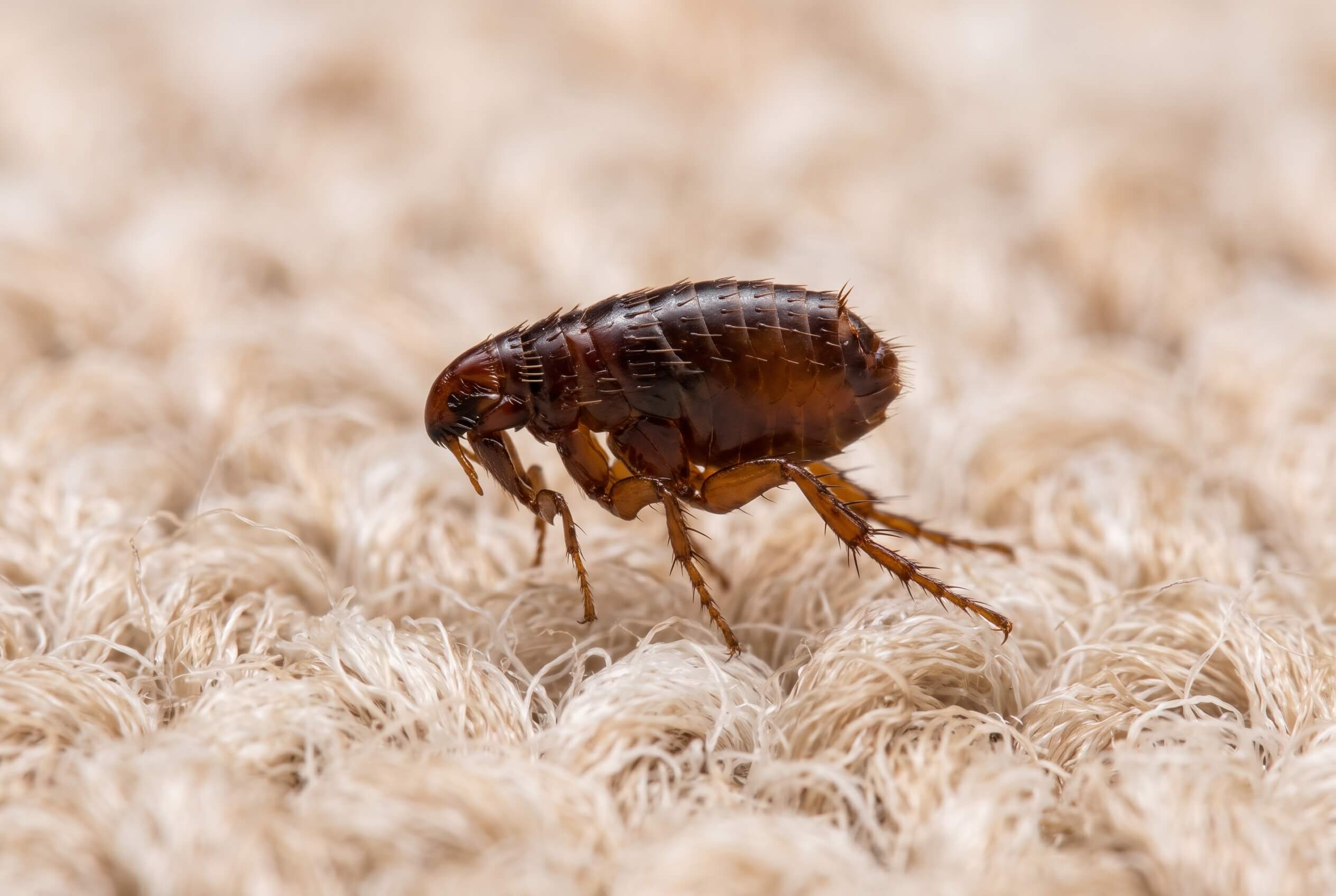
Yes, you can see adult fleas, but only just. They’re 1–4 mm long, about the size of a pinhead, brown to dark brown, wingless and flat from side to side, with strong back legs for jumping. You’re more likely to spot one jumping on a carpet or your pet’s fur than standing still.
Below you’ll find what fleas look like up close, the six most common signs of fleas in your home, and where to check.
What does a flea look like to the human eye? How big is a flea?
Usually, fleas are visible to the naked eye, but only just. Adult fleas are 1–4 mm long, about the size of a pinhead. They’re wingless, and their bodies are flat from side to side, which lets them move quickly through fur. They have six legs, and the back pair are large and powerful, built for jumping.
Because they’re so small and fast, you’re more likely to see a flea jumping off a carpet, sofa or your pet than standing still. In the UK, most fleas you’ll find at home are cat fleas, even on dogs.
What colour are fleas?
Adult fleas are brown to dark brown. On light fur, carpet or bedding they look like tiny dark specks that move. Black specks that don’t move are more likely flea dirt (dried droppings), and white specks are flea eggs. See what flea eggs look like.
Does one flea mean infestation?
Not necessarily. A single flea on your sock after a walk may simply have hitched a ride. But the fleas you see are only a small part of the picture: around 95% of flea eggs, larvae and pupae live in the home, not on pets. So if you see more than one flea, or find one on your pet, check for the signs below.
Signs of a flea infestation in home
You don’t need pets to get fleas, but pets are usually where the first signs show. These are the six most common signs:
1. Excessive scratching
Your dog or cat scratches, licks or bites itself more than usual. This is often the first sign that a pet has fleas.
2. Black or white flecks
Tiny black or white specks in your pet’s fur or bedding. The white ones are flea eggs and the dark ones are flea dirt. See how to tell flea eggs, flea dirt and dandruff apart.
3. Specks that turn red on wet paper
Comb your pet over a sheet of white paper, then add a few drops of water to any black specks that fall out. If they turn red, it’s flea dirt, made of digested blood, and your pet has fleas.
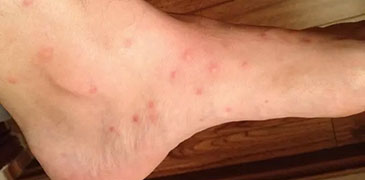
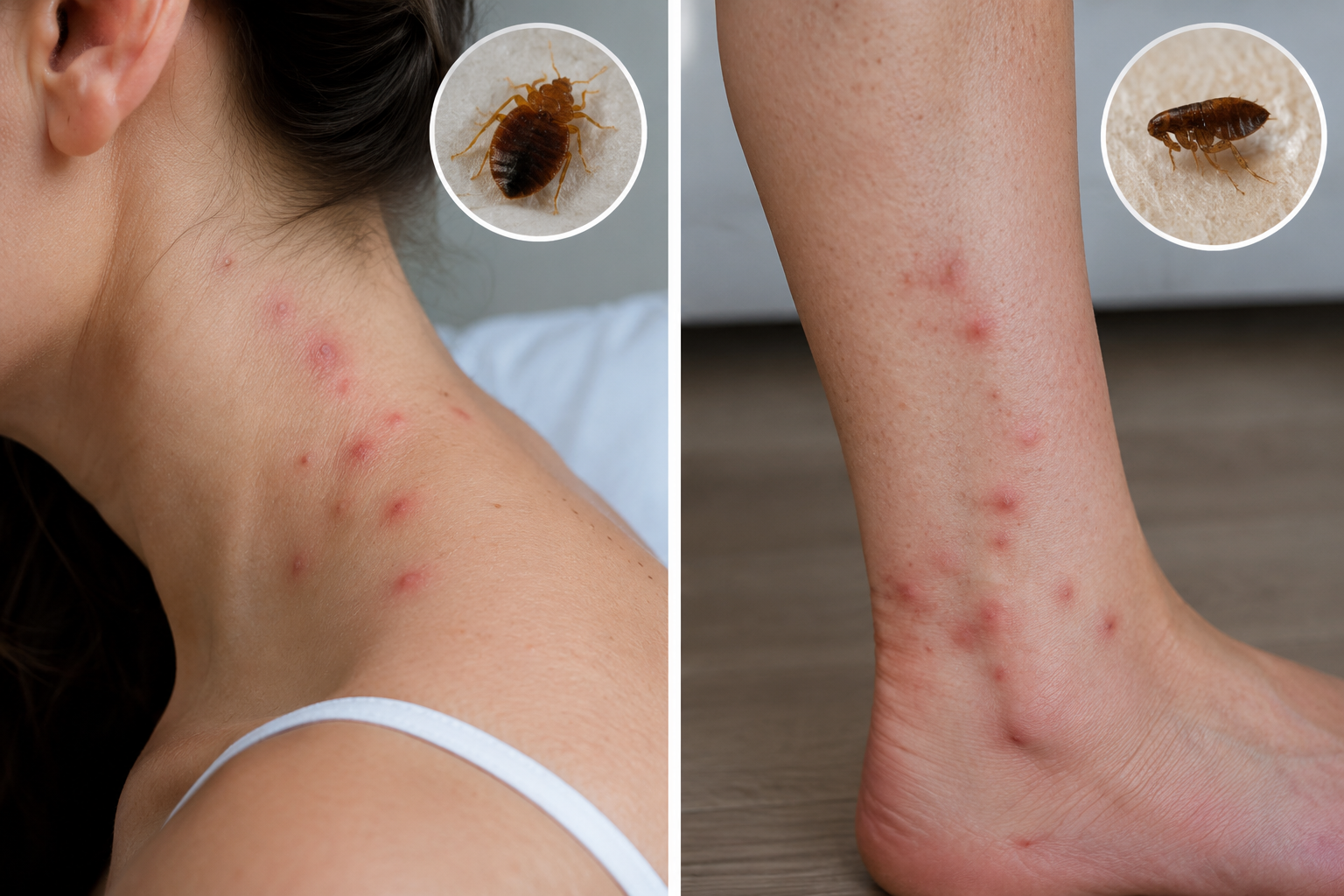
4. Flea bites around your ankles
Small, itchy red bumps, usually in groups around the ankles and lower legs. Fleas live low down in carpets and furniture, so your feet and ankles are what they reach first. Unlike mosquitoes, fleas can bite all year round in a centrally heated home. See what flea bites look like.
5. Bites on your arms after holding your pet
New bites on your arms or wrists after cuddling or carrying your pet usually mean the fleas are on the animal.
6. You see them hopping around
Seeing fleas jumping on carpets, rugs or sofas is the clearest sign of an active infestation.
Read more:
Little-Known Signs Of Cat Fleas to Help You Identify a Flea Infestation
What is the First Thing You Should Do If You See Signs of Pest Infestation
How do I know if my dog has fleas?
Found signs of fleas?
Our technicians treat carpets, floors and furniture so newly hatched fleas are killed too.
See our flea treatment in London.
Where to check for fleas in your house
Start where your pet sleeps and rests: its bedding, the carpet and rugs around it, sofas and armchairs, and the gaps along skirting boards. Flea eggs fall into carpet fibres and bedding, and the larvae develop in undisturbed gaps. For where fleas live outdoors and on animals, see our guide to fleas. Fleas don’t live on people, but they will bite them.
Where do fleas hide in the bedroom?
Fleas hide where it’s warm and sheltered: under the bed, in mattress seams and along the edges of carpets and rugs. They can also hide in upholstered chairs and in cracks in wooden furniture. Check corners, skirting boards and behind the headboard, as these spots are easy to miss.
How to check your bed for fleas?
Start with the bedding, pillows and mattress seams. Look for flea dirt (tiny black specks) or adult fleas, which are small, dark and move quickly. Brush or comb the fabric over a sheet of white paper to collect what falls out, and add a drop of water to any black specks: if they turn red, it’s flea dirt. If you find fleas or flea dirt, hoover the bed thoroughly and wash all bedding on a hot wash.
Can I get fleas if I don’t have pets?
Yes, of course! You don’t have to own a pet to get a flea infestation. For instance, you can go outside for a walk one day and unknowingly bring fleas back to your home, because they took a ride on your clothes. As we’ve mentioned above, they can hide anywhere in the environment, especially where animals live or pets are taken for a stroll. For example, squirrels, rats and mice can also become the perfect hosts for fleas. And as we know, the rodents can inhabit the nearest park, roam the streets or invade our homes.Fleas can also wait in an empty property for months. People moving into a house or flat that’s been empty can get a sudden burst of bites as dormant fleas hatch.
What to do if you find signs of fleas
Treat your pets and your home at the same time. Ask your vet for a flea product that suits each pet, wash pet bedding on a hot wash, and hoover carpets, sofas and skirting boards every day. Our step-by-step guide to getting rid of fleas in the house covers the full plan.
Still seeing fleas after cleaning and treating your pets? Our flea treatment in London comes with a 3-month guaranteed plan that includes a return visit after 2 weeks.
We provide helpful information according to the expertise and knowledge of the pest technicians. However, we don’t offer any medical advice.