



Some animals turn up uninvited and cause a little inconvenience. Others cause serious damage, spread disease, and cost you real money if you don’t act. Knowing the difference matters, because the UK has strict rules about how you can and can’t deal with wildlife, and getting it wrong can land you in genuine legal trouble.
This guide covers the animals most commonly considered pests in the UK, why they end up in our spaces, and what you can actually do about them without falling foul of the law.
TL;DR
- Not every nuisance animal qualifies as a pest, repeated, measurable harm is what determines classification.
- Rats, mice, wasps and pigeons are among the most common pests in the UK.
- Grey squirrels and starlings also cause significant problems in both urban and rural settings.
- Urban development is directly driving pest populations into residential areas.
- UK law sets out clear rules on how wildlife pests can and cannot be managed, many species are legally protected.
- Misidentifying a species or using the wrong control method can make the problem worse and expose you to prosecution.
- Early action is almost always cheaper and less disruptive than dealing with an established infestation.
Table of Contents
What Animals Are Considered Pests in the UK?
An animal becomes a pest when it causes measurable harm to human health, property, agriculture, or the wider environment, consistently enough to warrant management. It’s not about whether the animal is unpleasant to be around. It’s about impact. A fox trotting through your garden at dusk doesn’t automatically make it a pest. A fox tearing open bins every night, digging up flowerbeds, and screaming at 3am is a different matter entirely.
In the UK, pest status tends to be determined by a combination of factors: the regularity of damage caused, the scale of health risks posed, and whether the animal is present in large enough numbers to become genuinely problematic. Government bodies, local councils, and pest control professionals all use these criteria when deciding how to respond.
There’s plenty of debate around species like foxes, pigeons, and seagulls. These animals have vocal defenders who argue they’re just living their lives in a world humans have encroached on. Fair point, in many ways. But when property gets damaged, food sources get contaminated, or people face genuine health risks, the conversation shifts. Context matters. A pigeon perched on a ledge is a pigeon. A flock roosting on a food warehouse roof and fouling everything below is a pest problem.

Pest classification in the UK isn’t just about inconvenience, it’s about documented, repeated harm. In most cases we’re called out for, the animal has been causing problems for weeks before anyone acts. The sooner you identify the species correctly and assess the actual damage, the more options you have for managing it legally and humanely.
Common Urban Pests in the UK
Cities and towns have handed certain species a golden ticket. Reliable food scraps, warm sheltered spots, and far fewer natural predators than the countryside. The result is a handful of species that have adapted brilliantly to urban life, often at our expense. Here are the ones you’re most likely to run into.
Are Rats and Mice Pests?
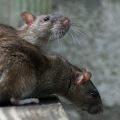
Yes, without question. Rats and mice are the most common reason people call pest control in the UK, and for good reason. Brown rats and house mice both carry a range of diseases, including Weil’s disease (leptospirosis), salmonella, and hantavirus. They gnaw through wiring, pipework, and structural timbers. A rat can chew through a plastic water pipe fast enough to cause a flood. A mouse can squeeze through a gap the width of a pencil and be inside your walls before you’ve noticed anything.
Rodents breed fast. Leave a pair of mice alone for a few months and you’ll have dozens. Rats aren’t much slower when conditions suit them. The first signs are usually droppings, gnaw marks, or scratching sounds in the walls at night. By the time you’re seeing them in daylight, the population is already well established. Don’t wait it out. A rat control service will locate the entry points, treat the infestation, and proof the property so they can’t simply come back the same way.
Check also: What Can Rats Chew Through?
Are Grey Squirrels Pests?
Grey squirrels are classified as an invasive non-native species in the UK, and yes, they’re considered pests. They were introduced from North America in the 19th century and have since displaced the native red squirrel across most of England and Wales. That alone puts them in a different category from most nuisance animals.
In practice, grey squirrels cause problems in several ways. They strip bark from trees, which can kill mature specimens. They raid bird feeders and nest boxes. They enter loft spaces through gaps in the roofline and can cause significant damage to insulation and wiring. Under the Invasive Alien Species (Enforcement and Permitting) Order 2019, it is illegal to release a grey squirrel back into the wild once caught, which limits management options and means live trapping requires a plan for what happens next.
Check also: Reasons Squirrels Come Into Your Home
Are Foxes Pests?
Foxes are pests in urban areas when their behaviour causes repeated, tangible problems, including bin raiding, garden destruction, noise disturbance, and in rare cases, risk to small animals. They’re intelligent, adaptable animals that have thrived in UK cities, but that adaptability is precisely what makes them difficult to live alongside.
Urban fox numbers have grown steadily as towns have sprawled outward. They’re opportunistic feeders, which sounds polite until you’ve spent ten minutes scooping takeaway wrappers off your front path at 7am. They dig. They scream during mating season, and that sound carries further than you’d expect. They’ll go after chickens, rabbits, and other small kept animals if given the chance.
Disease-wise, foxes can carry mange and toxocariasis. Regular contact with fox faeces in a garden space is worth taking seriously, especially with children or pets around. That said, unprovoked attacks on healthy adults are genuinely uncommon.
Are Wasps Pests?
Wasps absolutely qualify as pests, particularly from midsummer onwards when nests are large and workers become more aggressive. Unlike bees, wasps can sting multiple times, and for people with allergies, a single sting can be life-threatening. A nest in a roof space, wall cavity, or garden shed isn’t just inconvenient. It’s a genuine hazard.
By late summer, wasp colonies can contain thousands of individuals. Workers that have run out of larvae to feed become irritable and drawn to sugary food and drink, which is why pub gardens turn into a nightmare in August. If you find a nest, don’t poke it, seal it, or try to remove it with a bin bag. That ends badly, fast. A professional wasp nest removal service will treat the nest safely and efficiently, usually in a single visit.
Check also: Bees vs. Hornets vs. Wasps: What’s the Difference?
Are Pigeons Pests?
Feral pigeons are considered pests primarily because of the scale of damage their droppings cause and the health risks they carry. Pigeon fouling is corrosive to stone and metal, creates slip hazards, and can harbour diseases including psittacosis. One or two birds on a window ledge is manageable. A roost of fifty is a different story.
The trouble with feral pigeons is that they breed year-round when conditions are favourable, and they’re loyal to roosting spots. Once a group settles on a building, they don’t just wander off. Property owners, particularly those with commercial premises, face real costs from ongoing cleaning and structural damage if pigeon activity goes unchecked for any length of time.
Check also: The Best Way to Get Rid Of Pigeons Without Hurting Them
Are Seagulls Pests?
Seagulls become pests most acutely during nesting season, typically between April and August, when they become territorial, noisy, and in some cases physically aggressive. Roof-nesting gulls will dive-bomb people passing below, damage roofing materials, and produce droppings that accelerate the deterioration of gutters and tiles.
This is worth flagging clearly: most gull species in the UK are protected under the Wildlife and Countryside Act 1981. You cannot remove nests, eggs, or birds without a licence. That doesn’t mean you’re powerless, but it does mean you need to act before nesting begins or go through the proper legal channels. Prevention during the off-season is by far the easiest route.
Are Starlings Pests?
Starlings sit in an interesting grey zone. They’re a protected species under UK law, so you can’t disturb their nests or harm them. But large roosts, particularly in urban areas or farm buildings, can create real problems. Droppings in significant quantities are both a health hazard and a structural issue. Noise from a large roost is considerable. Starlings can also damage soft fruit crops when foraging in agricultural settings.
So are starlings pests? Situationally, yes. A small group visiting your garden is a delight. Hundreds roosting in your roof space and leaving droppings through any available gap is not. Because they’re protected, management options are limited to deterrence and proofing. Fixing entry points before nesting season begins is the most effective approach.
Not sure what you're dealing with?
Our team can identify the species, assess the risk, and deal with it properly.
Contact usLegal Considerations and Management Strategies for Wildlife Pests
This is the part people often skip, and it’s the part that gets them into trouble. The UK has clear legislation governing how wildlife can be managed, and “it was causing a problem” is not a legal defence for harming a protected species.
The Wildlife and Countryside Act 1981 is the key piece of legislation. It protects a wide range of bird species, including most common gull species, as well as various mammals and other wildlife. Intentionally killing, injuring, or taking a protected species without the appropriate licence is a criminal offence. So before you reach for any kind of control method, check the legal status of the species you’re dealing with.
For animals not under specific protection, such as feral pigeons, brown rats, and house mice, management options are broader. These can include:
- Exclusion: blocking entry points, fitting proofing mesh, or installing bird deterrent spikes and nets to prevent access to buildings.
- Habitat modification: removing food sources, securing bins, and reducing shelter opportunities to make a location less attractive.
- Humane trapping: live-capture traps can be used for some species, but trapped animals must be checked on regularly and released or dispatched humanely and in line with current regulations.
- Licensed lethal control: in specific circumstances, lethal control is permitted for certain species under general or individual licences. This must be carried out by, or in consultation with, a qualified professional.
Ethical considerations matter beyond the legal ones too. Pest control that causes unnecessary suffering, disrupts non-target species, or uses indiscriminate methods is bad practice regardless of whether it’s technically legal. The most effective long-term strategies focus on prevention and deterrence rather than reactive removal after the fact.
Check also: What Are the Three Methods of Pest Control
Common Mistakes in Dealing With Animal Pests
Most pest problems get worse before they get better because of avoidable mistakes. Here are the ones that come up again and again:
- Misidentifying the species. Treating the wrong animal, or assuming something is a pest when it isn’t, wastes time and can cause legal issues. A wasp nest and a bumblebee nest look similar in low light and need entirely different responses.
- Ignoring the root cause. Removing one fox, pigeon, or wasp nest without addressing why they were there in the first place means the problem returns. Block the food source. Proof the entry point. Fix the habitat that attracted them.
- Using DIY methods on protected species. It doesn’t matter if the bird in question is being genuinely disruptive. Disturbing a nest with eggs or chicks is illegal without a licence, full stop.
- Delaying action. A wasp nest in April is manageable. The same nest in August, with thousands of workers inside, is a much bigger job. A small pigeon roost left unchecked becomes a large one. Early intervention is almost always cheaper and less disruptive.
- Using deterrents incorrectly. Spike strips fitted badly, netting installed with gaps, or decoy predators left in one position for too long are all essentially useless. Pigeons and seagulls figure these out quickly.
- Not seeking professional advice. Some situations genuinely need expert input. If you’re unsure about species, legal status, or the scale of the problem, get professional advice before doing anything. It’s the sensible call, not a last resort.
Check also: How to Effectively Prepare Your Home Before Pest Control Visits
Frequently Asked Questions
What is the difference between a nuisance animal and a pest?
A nuisance animal causes minor, occasional inconvenience, a fox cutting through your garden once a week, for example. A pest causes repeated, measurable harm: damage to property, risk to health, contamination of food, or significant disruption to daily life. The distinction matters legally and practically, because pest status typically determines what control methods are permitted.
Are crows pests in the UK?
Crows can be considered pests in certain contexts, particularly in agricultural settings where they damage crops, disturb livestock, or target the eggs and chicks of other birds. In urban gardens they can be disruptive and noisy. However, crows are protected under the Wildlife and Countryside Act 1981. Lethal control is only permitted under specific general licences, and only where damage is being caused and other methods have been tried first.
Can you legally remove a seagull nest from your roof?
Not during nesting season without a licence. Most gull species are protected under the Wildlife and Countryside Act 1981, which makes it illegal to intentionally damage or destroy an active nest, or disturb eggs or chicks. Once the nesting season has ended and the birds have left, you can legally remove old nesting material and install deterrents to prevent them returning the following spring. Always check current guidance before acting.
Do urban foxes pose a health risk to humans?
The risk is low but not zero. Foxes can carry parasites including Toxocara canis, which poses a risk if their faeces is ingested, particularly by young children. They can also carry mange, which can spread to dogs through contact. Direct attacks on healthy adults are very rare. Key precautions include securing bins, keeping gardens clean, ensuring pets are vaccinated, and supervising young children in areas with known fox activity.
Are grey squirrels protected in the UK?
No. Grey squirrels are classified as an invasive non-native species and are not protected. However, under the Invasive Alien Species (Enforcement and Permitting) Order 2019, it is illegal to release a grey squirrel back into the wild once it has been trapped. This means anyone using live traps must have a plan in place for humane dispatch. Red squirrels, by contrast, are fully protected under UK law.
Ready to deal with the problem properly?
Don't let it drag on, get expert help and get it sorted for good.
Contact usConclusion
Understanding what animals are pests in the UK isn’t just about deciding which ones annoy you most. It’s about recognising genuine harm, knowing the legal landscape, and responding in ways that are both effective and ethical. Rats, mice, foxes, wasps, pigeons, seagulls, grey squirrels, and starlings all have their place, but when they start causing real problems, ignoring it doesn’t make it better.
Act early, identify the species correctly, and don’t cut corners on the legal side. Most situations are manageable when you approach them with the right information and the right support behind you.