



You’ve booked the pest control visit. Job done, right? Not quite. What you do before the technician arrives can make or break the whole treatment. A poorly prepared home means products end up in the wrong places, pests stay hidden in cluttered corners, and you’re back to square one within weeks.
Most people assume pest control is a simple case of letting someone in and waiting for the magic to happen. There’s a bit more to it than that. Knowing what to do before pest control comes gives the treatment its best possible chance of actually working — and saves you from having to book a second visit sooner than you’d like.
TL;DR
- Proper preparation before a pest control visit significantly improves how effective the treatment will be.
- Clearing clutter, vacuuming, and moving furniture away from walls gives technicians full access to problem areas.
- All food must be stored away or sealed before treatment to avoid contamination.
- Pets, fish tanks, and sensitive electronics need to be protected or removed before the technician arrives.
- Communicating clearly with the pest control team about your specific problem helps them bring the right tools.
- Avoid deep-cleaning with strong products immediately before the visit as this can interfere with certain treatments.
- If you’ve tried any DIY treatments already, tell the technician before they start.
Table of Contents
Main Steps to Take Before Pest Control Visits
Here’s a practical checklist of what to do before pest control comes. Work through it the day before your appointment if you can. Rushing it on the morning won’t give you the best results.
Follow these steps before your pest control visit to ensure the treatment is as effective as possible.
Clear clutter from treatment areas
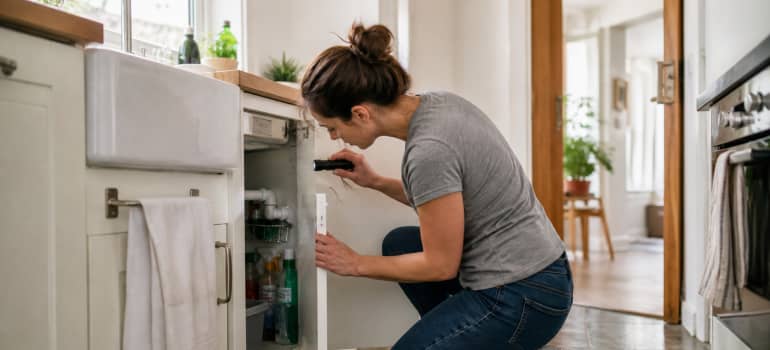
Go through every room being treated and remove unnecessary items from floors, under beds, inside cupboards, and along skirting boards. Pests love clutter because it gives them cover, and it stops technicians from reaching the places they need to treat. Focus especially on kitchens, bathrooms, and any room where you’ve spotted activity.
Vacuum thoroughly
Vacuum all floors, carpets, and upholstered furniture before the technician arrives. This removes crumbs, dead skin cells, and existing pest debris that can interfere with treatments. For flea or bed bug treatments especially, vacuuming first is essential. It stimulates eggs to hatch, making them far more vulnerable to the insecticide.
Store away or seal all food items
Every bit of food needs to be out of reach. Put dry goods into sealed containers or move them into the fridge. Clear your kitchen counters completely. Even pet food bowls should be picked up and stored. This prevents contamination and stops food from attracting pests back into treated areas immediately after the visit.
Move furniture away from walls
Pull sofas, beds, wardrobes, and kitchen appliances away from walls by at least 30 centimetres where you’re able to. This gives the technician direct access to skirting boards, wall edges, and the hidden runs that pests use to travel around your home. It’s one of the single biggest things you can do to improve coverage.
Inform neighbours if appropriate
If you live in a flat, semi-detached house, or terraced property, let your neighbours know a pest control visit is happening. Pests don’t respect walls. A cockroach or mouse problem in one flat can easily spread to the next during treatment when they scatter. Giving neighbours a heads-up means they can take their own precautions.
Check also:
Are There Common Mistakes People Make Before a Pest Control Visit?
Yes, and they’re more common than you’d think. A lot of failed treatments come down to preparation errors rather than the treatment itself. Here are the ones that cause the most problems.
“I need to deep clean everything before they arrive”
Not exactly. Basic tidying and vacuuming, yes. Scrubbing every surface with strong cleaning products the morning of the visit, no. Certain treatments, particularly gel baits used for cockroaches, rely on the pest being attracted to the product. If you’ve just bleached the entire kitchen, you’ve masked those scent trails and may actually reduce how well the bait works. Clean enough to give access. Don’t sterilise the place.
“We have to leave the house for days”
For most standard treatments, you’ll need to stay out of treated rooms for a few hours while products dry. You won’t need to book a hotel for three nights. The technician will tell you exactly how long to stay clear depending on the type of treatment used. Some treatments, like heat treatments for bed bugs, do require a full-day absence. But that’s the exception, not the rule.
“Pest control will sort everything in one go”
Some infestations are stubborn. Cockroaches, bed bugs, and fleas often need more than one treatment because eggs can survive the first round. Expecting one visit to fix a serious infestation completely is setting yourself up for disappointment. Prepare properly, follow the aftercare advice, and accept that a follow-up may be part of the process.
“I don’t need to do anything — that’s what I’m paying for”
This is the one that causes the most failed treatments. Pest control is a two-way effort. The technician brings expertise and products. You provide access, a prepared environment, and the right conditions for the treatment to work. Skip your part and you’re throwing money away.
Not sure what preparation your treatment needs?
Our pest control team will walk you through exactly what to do before they arrive.
Contact usSecuring Your Home Before Pest Control
Protecting your belongings during a pest control treatment is straightforward, but it’s easy to overlook a few things. Taking a few minutes to cover or relocate sensitive items saves a lot of stress later.
Electronics and appliances
Cover computers, televisions, and any other electronics with old sheets or plastic covers. Insecticide mist and residual sprays can settle on screens and vents. It won’t necessarily break anything, but it’s not ideal. If you have a home office, cover the whole desk area.
Fish tanks and reptile enclosures
This one’s genuinely important. Aquatic animals are extremely sensitive to pesticides. Turn off the air pump and cover the tank completely with a damp towel or heavy-duty cling film before treatment starts. Fish can die from even trace amounts of certain insecticides in the water. Move reptile or amphibian enclosures to a room not being treated if at all possible.
Pets and pet accessories
Dogs, cats, rabbits, and birds need to be out of the treated areas for the duration specified by the technician. Remove pet bedding, toys, and food bowls before treatment begins. Don’t let pets back into treated rooms until surfaces are fully dry.
Documents and personal items
Important paperwork, children’s toys, and any items that are frequently handled should be stored away or covered. It’s not that the technician will damage them. It’s about avoiding any residual contact with treated surfaces later on.
Check also:
How Should You Communicate with Pest Control Professionals Before the Visit?
Talking to the pest control team before they arrive is one of the most underrated parts of the whole process. A quick conversation can make the actual visit significantly more effective. Tell them what you’ve seen, where you’ve seen it, and for how long. Don’t downplay the problem. There’s no judgement here, and more information always helps.
Here are the key things to share and ask before the visit:
- Describe where you’ve spotted activity. Is it concentrated in the kitchen? Along a specific wall? Behind the boiler? Specific locations help the technician prioritise.
- Mention how long the problem has been going on. A week-old mouse sighting is very different from a six-month mouse problem. The duration hints at how established the infestation might be.
- Tell them about your household. Children, elderly people, pets, or anyone with respiratory conditions should be mentioned. The technician can choose products or application methods that are most appropriate.
- Ask what preparation they specifically need. Different treatments have different requirements. Get the exact instructions from your provider rather than relying on general advice.
- Ask what access points they’ll need. If there are locked rooms, sheds, loft hatches, or areas of the garden involved, arrange access in advance rather than scrambling on the day.
- Clarify how long you’ll need to stay out. Some products need a couple of hours to dry. Others need longer. Know before they arrive so you can plan your day.
If you’ve already tried any DIY treatments, mention that too. Some products can interfere with professional treatments, and the technician needs to know what’s already been applied. A pest inspection carried out by a professional will locate the source of the infestation and treat it effectively, so giving them accurate information from the start saves everyone time.
Frequently Asked Questions
Do I need to be home during a pest control treatment?
Not always. For external treatments or certain types of application, you can leave the technician to it. For internal treatments, it’s often useful to be present at the start to point out specific problem areas and answer any questions. Check with your provider when you book. They’ll advise based on the type of treatment planned.
How long should I wait before returning home after pest control?
It depends on the treatment type. Most spray-based insecticide treatments require you to stay out of treated rooms for two to four hours until surfaces are dry. Heat treatments or fumigation may require a longer absence. Your technician will give you a specific timeframe before they leave. Stick to it rather than guessing.
Should I tell the pest controller if I have young children or someone with asthma at home?
Yes, absolutely. Mention this before the visit, not on the day. Knowing about children, elderly residents, or anyone with a respiratory condition lets the technician choose the most suitable products and application methods. Some treatments have specific safety requirements, and the team will advise you on how long to keep those residents out of treated areas.
Can I put furniture back against the walls straight after the technician leaves?
No. Leave furniture pulled away from walls until the technician confirms it’s safe to move things back. Residual product along skirting boards and wall edges needs time to work. Disturbing treated surfaces too soon reduces how effective the treatment is. Wait until you’ve had the all-clear before rearranging the room.
What if I live in a flat and can’t move my pets elsewhere?
Speak to the pest control team before the visit. They can advise on the safest approach for your situation. In some cases, pets can stay in a room not being treated. In others, a neighbour or family member may need to take them for a few hours. Your provider would rather know in advance than discover a problem on arrival.
Ready to get rid of the problem for good?
Book a professional pest control visit and get expert advice on exactly how to prepare your home.
Contact usConclusion
Knowing what to do before pest control comes isn’t complicated, but it genuinely matters. Clear the clutter, store the food, protect your pets, and speak to the team beforehand. These aren’t big asks. They’re the difference between a treatment that works and one that falls flat.
Pest control is a partnership. The professionals bring the expertise. You make sure the conditions are right for it to do its job. Get that balance right and you’ve got a far better chance of a pest-free home that stays that way.