



There’s a moment every winter when you catch yourself thinking, “At least the cold will sort the fleas out.” It’s an appealing idea. Crisp temperatures outside, central heating on full blast, and the quiet assumption that those tiny bloodsucking hitchhikers don’t stand a chance once the weather turns. A lot of UK pet owners believe this. Most of them are wrong.
Fleas are tougher than they look, and winter doesn’t hand you the clean slate you’re hoping for. Understanding how fleas actually behave when temperatures drop is the difference between staying on top of the problem and dealing with a full-blown infestation come spring. This post gets into the real picture, with practical steps to keep your home flea-free through the colder months.
TL;DR
- Fleas can survive winter indoors thanks to the warm, controlled conditions central heating creates.
- Cold temperatures outside can reduce flea populations but rarely wipe them out completely.
- Flea eggs and pupae can stay dormant in cold conditions and hatch once warmth returns.
- Heating systems maintain the kind of temperatures fleas need to breed and feed.
- Regular, year-round pet treatment is the most effective single step you can take.
- Severe or persistent infestations often need professional pest control to resolve properly.
Table of Contents
Do Fleas Die in the Winter?
Fleas don’t reliably die in winter. Outdoors, sustained temperatures below freezing can kill adult fleas within days, but most fleas in the UK don’t spend winter outdoors. They’re inside your home, on your pets, buried in carpet fibres, and tucked into furniture. Indoors, winter conditions rarely get cold enough to threaten them at all.
It’s one of the most persistent myths in pest control, and it costs people. They drop the flea treatment in October, assume nature will handle the rest, and by January they’re scratching their ankles wondering what went wrong.
Outside, adult fleas need sustained cold below around 0°C to die, and even then, eggs and pupae can survive in sheltered spots like leaf litter, animal burrows, or the base of garden sheds. Wild animals like foxes, hedgehogs, and squirrels carry fleas through the winter, keeping local flea populations ticking over even when the ground is frozen. So no, the British winter isn’t doing the job for you. Not outdoors, and certainly not inside. Do fleas die in winter? Rarely, and never reliably enough to count on.

Flea pupae are the stage most people forget about. They can sit dormant inside their cocoons for months during cold weather, and the vibration of footsteps or a warm room is enough to trigger hatching. We regularly find active infestations in January in homes where treatment stopped in autumn, that dormant stage is the reason why.
How Indoor Conditions Affect Flea Behaviour
Here’s the irony: the cosier you make your home in winter, the better it is for fleas. Central heating keeps indoor temperatures comfortably in the range fleas need to breed. Carpets stay warm. Sofas stay warm. Your pet’s favourite spot stays very warm. From a flea’s perspective, your living room in January is essentially a tropical resort.
Fleas complete their lifecycle faster in warmer temperatures. Eggs hatch more quickly, larvae develop into adults sooner, and adult fleas feed and reproduce with no seasonal slowdown. In an unheated outbuilding or a draughty garage, activity does slow down. But in the average centrally heated UK home, you won’t notice any real dip in flea activity through winter at all.
Humidity plays a role too. Flea larvae need some moisture to survive. Very dry indoor air, which can happen when heating runs constantly without ventilation, can stress larvae and reduce survival rates slightly. But it’s rarely dry enough to make a meaningful dent in an established population. Don’t count on your radiators doing the exterminating for you.
There’s also a more specific problem worth knowing. When a home is left empty over winter, perhaps a holiday house or a property between tenants, fleas can go dormant in their pupal stage. The moment someone walks back in and the heating goes on, they hatch all at once. People describe walking into a seemingly empty property and being swarmed within minutes. That’s dormant pupae responding to body heat, vibration, and warmth simultaneously. Unpleasant doesn’t begin to cover it.
Check also: How to Get Rid of Fleas on Carpet
When Cold Temperatures Might Kill Fleas
Cold weather can kill fleas, but the conditions need to be specific and sustained. It’s not as simple as a cold snap doing the job overnight.
Here’s what actually needs to happen for cold to have a real impact on flea populations:
Temperature thresholds
Adult fleas start to struggle below around 8°C. They slow down, stop feeding properly, and their ability to reproduce drops off sharply. Below freezing, adult fleas exposed directly to the cold will die within a few days. The issue is that most fleas aren’t sitting exposed in your garden. They’re on a host animal or tucked into sheltered spots where temperatures don’t drop that drastically.
Duration matters as much as temperature
A single cold night doesn’t do much. To actually impact flea populations outdoors, you’d need prolonged freezing conditions lasting several days or weeks. The UK winters that achieve this are rare. Most of our winters involve a lot of cold rain and mild grey days, not the kind of hard, sustained freeze that would meaningfully reduce flea numbers outdoors.
Eggs and pupae are more resilient than adults
Adult fleas are more vulnerable to cold than eggs and pupae. Flea eggs can tolerate colder conditions for longer periods. Pupae are the most resilient stage of all. They sit inside a tough, sticky cocoon that insulates them from temperature extremes. Even if adult fleas in a garden died off during a cold spell, dormant pupae in leaf litter or soil could survive and hatch once temperatures rise again in spring. This is why “waiting for winter” is such a flawed strategy.
Check also: How to Prevent Flea Treatment Poisoning in Pets
Protecting Your Home from Fleas During Winter
Since winter isn’t solving the problem for you, here’s what actually will. These aren’t groundbreaking secrets. They’re just the steps that genuinely work when applied consistently.
Follow these steps consistently through winter to prevent fleas from establishing in your home.
Vacuum thoroughly and regularly
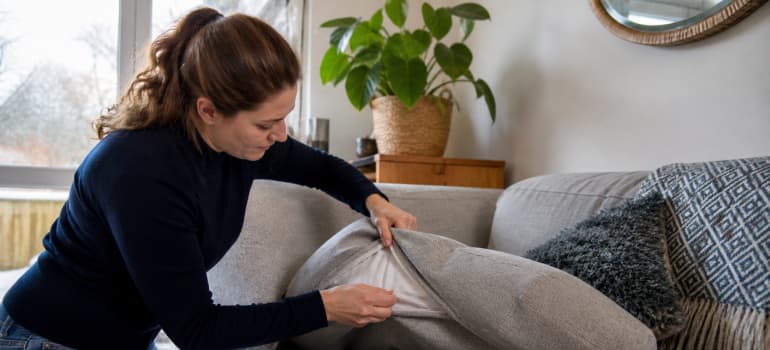
Vacuum carpets, rugs, skirting boards, and upholstered furniture at least twice a week. Flea eggs don’t stick to surfaces the way you might expect. They fall off your pet and sit in carpets waiting to hatch. Vacuuming disrupts this cycle. Empty the vacuum outside immediately after, not into your kitchen bin.
Treat your pets consistently
Don’t stop flea treatment in autumn. Work with your vet to find the right product for your pet and apply it year-round without gaps. Even one missed month creates a window for fleas to establish. Your pet is the main route by which fleas enter your home in the first place.
Wash pet bedding at high temperatures
Wash your pet’s bedding, blankets, and any fabric they regularly sleep on at 60°C or above. This kills eggs, larvae, and adults present in the fabric. Do this weekly rather than waiting until you spot signs of fleas. If your pet has a favourite spot on the sofa, wash those cushion covers too.
Check your pet regularly for signs of fleas
Part your pet’s fur and look for flea dirt, which looks like tiny black specks, especially around the base of the tail and behind the ears. Finding flea dirt early gives you a chance to treat before a small problem becomes a large one. A damp white tissue is useful. Flea dirt will leave a reddish-brown smear when wet.
Treat the home environment if needed
If you already have signs of fleas, treating your pet alone won’t be enough. The vast majority of a flea population at any given time is in the environment, not on the animal. Household flea sprays can help treat carpets and furniture, though a professional flea treatment will cover the home more effectively and reach areas DIY products miss.
Got a flea problem that won't budge?
Our team can identify the source and treat the infestation properly, so you're not guessing come spring.
Contact usFlea Prevention Strategies for Pet Owners in Winter
Keeping fleas at bay through winter is less about reacting to problems and more about building habits that make your home inhospitable to them. None of this needs to be complicated.
Stick to a year-round treatment plan
Seasonal flea treatment is a common approach, and it’s a mistake. Fleas don’t have a calendar. Once you introduce a gap in treatment, you give eggs already in the environment the chance to hatch unchecked. Talk to your vet about monthly or longer-lasting options and stick to the schedule without exceptions.
Know where the winter flea hotspots are in your home
Fleas cluster in specific spots. The areas where your pet sleeps, rests, or spends time regularly are where flea eggs accumulate. In winter, these hotspots intensify because your pet spends more time indoors. Pay extra attention to:
- The base of sofas and armchairs where your pet naps
- Along skirting boards in rooms your pet frequents
- Under radiators, where warmth collects
- On and around pet beds and blankets
- In the gaps between floorboards if you have wooden floors
Directing your vacuuming and cleaning efforts to these specific areas will get you much better results than a general tidy-up.
Build a simple monitoring routine
You don’t need to inspect your pet daily, but a quick check once a week through winter is worth doing. A flea comb run through your pet’s coat over a white sheet takes two minutes and can catch an early infestation before it takes hold. If you spot flea dirt, act straight away rather than waiting to see if it gets worse. It will get worse.
Don’t forget pets that go outside
Cats and dogs that go outdoors in winter can still pick up fleas from wildlife. Urban foxes are a surprisingly common source. If your garden gets fox visits, your pet can pick up fleas from areas the fox has been, regardless of the temperature. Outdoor pets need consistent treatment just as much as indoor ones.
Check also: Little-Known Signs of Cat Fleas
Frequently Asked Questions
Is it harder to spot fleas during the winter months?
It can be. Some pet owners assume winter means no fleas, so they stop looking. Flea activity indoors doesn’t slow down noticeably in a heated home, but because people expect a seasonal dip, infestations sometimes go unnoticed longer in winter. Keep checking your pet and their environment regularly. Don’t let the season lull you into a false sense of security.
What are the best natural methods for preventing flea infestations in winter?
Honest answer: natural methods alone are rarely enough once fleas are established. Frequent vacuuming, hot washing of bedding, and keeping your home less cluttered all help reduce flea numbers. None of these replaces proper pet treatment from your vet, though. If you want to avoid chemical household sprays, the best approach is rigorous cleaning combined with consistent, vet-approved pet treatment.
Should I be concerned about fleas beyond my pets during winter?
Yes. Fleas don’t feed exclusively on pets. If an infestation is large enough, or if your pet isn’t around, fleas will bite humans too. They tend to target ankles and lower legs. Beyond the irritation, fleas can carry tapeworm larvae, which is a risk to both pets and people in the household. An established indoor infestation in winter needs treating promptly, not just managing around.
Don't let fleas win this winter
Get professional help to tackle a flea infestation at the source before it becomes a much bigger problem.
Contact usConclusion
Fleas don’t die in winter. Not indoors, and not reliably outdoors either. The cold might thin out exposed adult populations briefly, but eggs, pupae, and the warm sanctuary of your centrally heated home keep the problem very much alive. Dropping your guard in autumn is exactly when flea populations get the chance to build quietly, ready to make themselves known by January.
Year-round pet treatment, regular cleaning, and keeping an eye on the spots where fleas actually congregate will keep your home flea-free through the colder months. If you’re already dealing with an established infestation, don’t waste time hoping the weather will sort it. Get professional help early and deal with it properly.