


Get the GoFantastic app


Where Do Cockroaches Live? Hiding Places, Nests and Outdoors
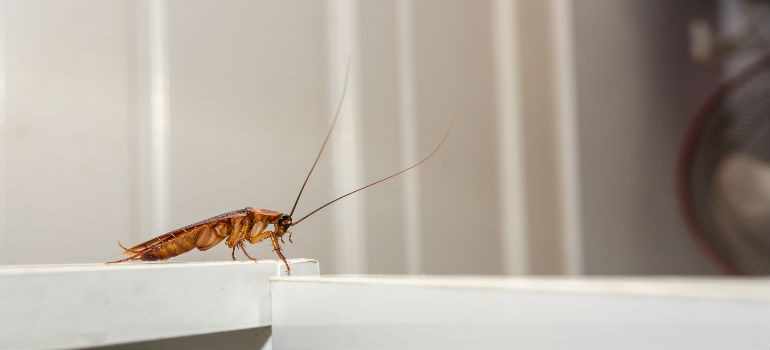
In UK homes, cockroaches live in warm, dark, tight spaces close to food and water: behind and inside kitchen appliances, under sinks and bath panels, in wall voids and boxed-in pipework, and in cellars and drains. They hide there during the day and come out at night. Worldwide, most of the 4,500 or so cockroach species live outdoors in forests and leaf litter; only a few live with people.
This guide, part of our cockroach guide, explains where cockroaches live in a house, where they hide during the day, what a cockroach nest looks like and where they live outside.
Where do cockroaches live in the house?
Cockroaches need warmth, moisture, food and somewhere tight to squeeze into. They like gaps where their body touches surfaces above and below, which is why they pack into cracks and voids rather than open spaces. These are the places they live most often:
Kitchen appliances
The warm motor compartments of fridges, freezers and dishwashers are a favourite, along with the space behind cookers, inside microwave and toaster casings, and under washing machines. Heat, crumbs and condensation give cockroaches everything they need in one place.
Cupboards and kitchen units
Cupboard corners, hinges, the gap behind kickboards and the void under the sink unit are dark and close to food. German cockroaches often live along cupboard hinges and the seams of units, leaving clusters of droppings.
Bathrooms, pipes and drains
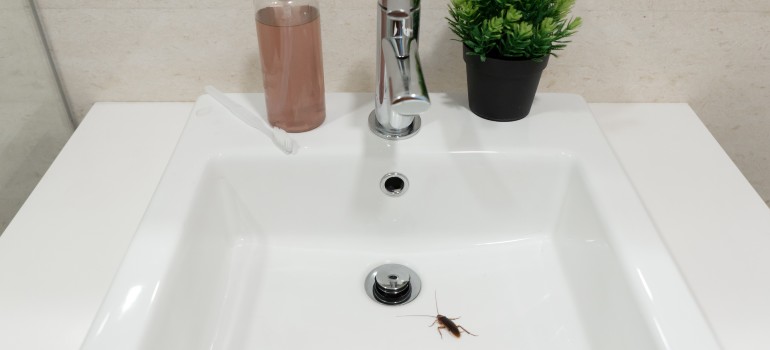
Under bath panels, behind toilets, around boxed-in pipework and in floor drains, cockroaches find water and darkness. Oriental cockroaches also live in drains and sewers and come up through broken pipes; see cockroaches in drains and sinks.
Walls, floors and ceilings
Wall voids, gaps behind skirting boards, under floorboards and around ceiling light fittings let cockroaches move unseen between rooms and, in flats, between homes. Shared service ducts and risers work like corridors for them.
Electrical items
German and brown-banded cockroaches shelter inside warm electrical equipment such as TVs, routers, games consoles, kettles and coffee machines. They can lay egg cases inside them too.
Boiler and airing cupboards
The warm, undisturbed space around boilers, hot water cylinders and heating pipes is a common hiding place in UK homes, especially in winter.
Clutter, boxes and furniture
Cardboard boxes, stacks of paper, bags and furniture give cockroaches cover and something to nibble. Boxes and second-hand items are also how many cockroaches arrive; see our tips on avoiding cockroaches when moving.
Spotted a cockroach in your property?
Book a professional treatment and take care of the situation on time!
Where each UK cockroach lives
The species tells you where to look. Compare their size and colour in our guide to the types of cockroaches in the UK.
| Cockroach | Indoors | Outdoors in the UK |
|---|---|---|
| German | Warm kitchens, behind and inside appliances, electrical items, heated flats | Can’t survive outdoors in winter |
| Oriental | Cellars, floor voids, under bath panels, around drains and pipes | Drains, sewers, rubbish areas and under paving in summer |
| Brown-banded | Warm, dry rooms, high on walls, furniture, bedrooms, electrical items | No |
| American | Heated commercial buildings, boiler rooms, service ducts | Sewers, mainly near ports and large cities |
| Native wood cockroaches | Only by accident | Heaths, woodland edges, coasts |
Where do cockroaches live during the day?
During the day, cockroaches hide packed together in their hiding places, often dozens in one crack or void, and come out a few hours after dark to feed. They stay close to food and water, usually within a few metres. If you see them out in daylight, their hiding places are full, which is a sign of a large infestation; see the signs of a cockroach infestation.
Can’t find where they’re hiding?
Our technicians find the hiding places, treat them directly and come back to check the infestation has gone. Cockroach treatment from £184.
What does a cockroach nest look like?
Cockroaches don’t build nests like wasps or mice. Instead they gather in a hiding place, often called a harbourage, such as a crack behind a cupboard, the motor space of a fridge or a gap in boxed-in pipework. You’ll know you’ve found one by:
- lots of droppings, like ground black pepper, around a small gap
- brown egg cases, empty or full, and pale shed skins
- dark smear marks around the opening
- a strong musty smell
- cockroaches of all sizes, from tiny nymphs to adults, when you shine a torch inside
Treating these hiding places directly is what clears an infestation. Our step-by-step guide shows how to get rid of cockroaches, including where to place gel bait.
Where do cockroaches live outside?
In the UK, the pest cockroaches mainly live indoors, because the climate is too cold for them outside most of the year. The exceptions are:
- Oriental cockroaches can live outdoors in summer, in drains, sewers, rubbish areas, compost heaps and under paving close to buildings, and move indoors as it gets colder.
- American cockroaches are sometimes found in sewers, mainly in large cities and near ports.
- Native wood cockroaches live outdoors all year on heaths, woodland edges and coasts, and don’t infest homes.
Where do cockroaches live in the world?
Cockroaches live on every continent except Antarctica. Of the roughly 4,500 known species, most live outdoors in tropical and warm forests, in leaf litter, rotting wood, under bark and in caves, where they help break down dead plant material. Only around 30 species live alongside people, and just a handful are pests.
Where do cockroaches live in businesses?
Restaurants, takeaways, hotels, hospitals and bakeries give cockroaches constant warmth, food and water. They live in kitchen equipment, behind ovens and fryers, in heating and ventilation ducts, under serving counters and in storage areas, and arrive with food deliveries. Businesses need regular checks; see our restaurant pest control service.
If you know where they’re living but can’t reach them, book our cockroach pest control service from £184 or call 020 3746 2723
FAQ
Can cockroaches live in a fridge?
Can cockroaches live in plant pots?
Do cockroaches live in the loft?
Do cockroaches live alone?
Do cockroaches live in clothes or wardrobes?
Cockroaches Come Out at Night?
- Are Cockroaches Dangerous? Cockroach Bites and Health Risks
- Cockroach Eggs
- Cockroach Infestation: Signs, Causes and Why They Suddenly Appear
- How to Get Rid of Cockroaches in Your House: A Step-by-Step

- Where Do Cockroaches Live
- Types of Cockroaches in the UK: How to Identify Them
- Bugs That Look Like Cockroaches but Aren’t: UK Guide
- Cockroaches in Drains and Sinks: Why They Come Up and How to Stop Them