


Get the GoFantastic app


How to Get Rid of Cockroaches in Your House: A Step-by-Step Plan
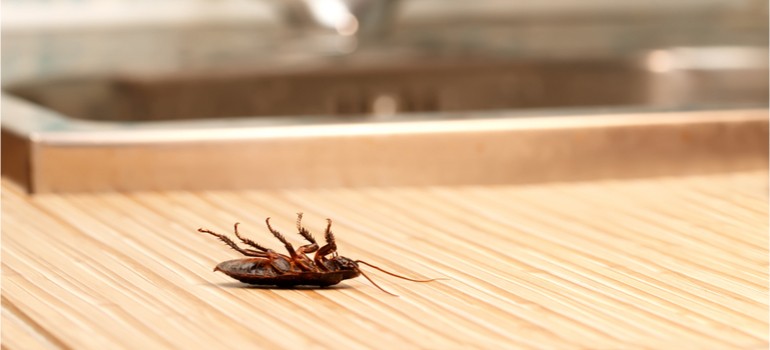
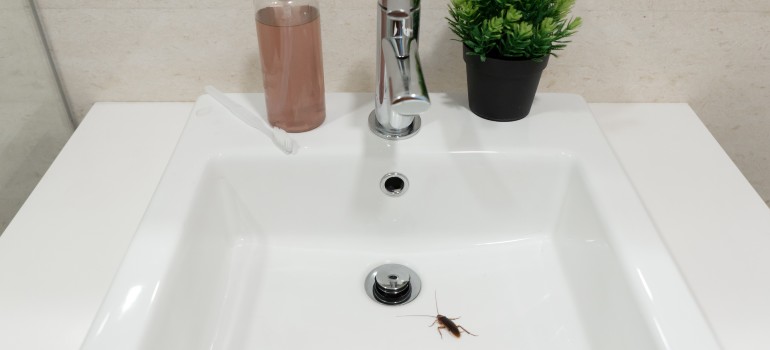
To get rid of cockroaches, find where they hide, cut off their food and water, and put gel bait in the cracks they use. Leave the bait alone for 2–3 weeks, keep checking with sticky traps and treat again when new nymphs hatch. Sprays and foggers scatter cockroaches and usually make an infestation harder to clear.
This guide, part of our cockroach guide, is for doing it yourself in a UK home. If you’d rather have it done for you, our cockroach pest control service treats the whole home with a follow-up visit included.
Signs you have cockroaches in the house
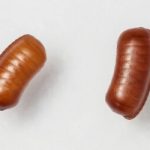
Cockroaches hide during the day, so you’re more likely to spot what they leave behind: droppings like ground black pepper, brown bean-shaped egg cases, shed skins and a musty smell in heavy infestations. Seeing them in daylight means there are a lot of them. Our guide to the signs of a cockroach infestation shows what each sign looks like.
Are cockroaches common in the UK?
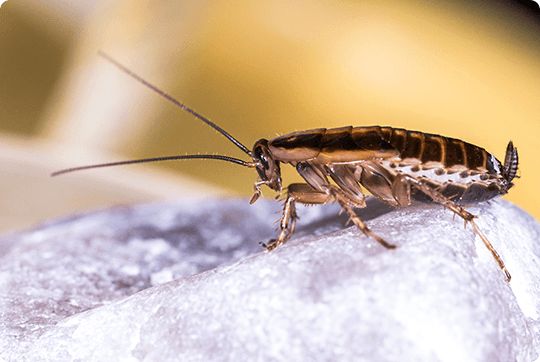
Yes. Two species cause almost all problems in UK homes: the German cockroach, which lives in warm kitchens behind fridges, ovens and dishwashers, and the oriental cockroach, which prefers cool, damp places such as drains, cellars and under floors. Flats, terraces and older buildings with shared pipework are hit hardest. Knowing which one you have matters, because they hide in different places; see types of cockroaches in the UK.
How to get rid of cockroaches: step by step
1. Find where they’re hiding
Check at night with a torch, when cockroaches are active. Look behind and under the fridge, cooker, dishwasher and washing machine, inside cupboard hinges and kickboards, under the sink and bath panel, and in cracks along skirting boards. Put 3–4 sticky traps along walls in the kitchen and bathroom overnight; the traps with the most cockroaches show you where to treat. More hiding spots are in where cockroaches live.
2. Take away food and water
- Clean grease from behind and under the cooker, and crumbs from under the toaster and fridge.
- Store food, including pet food, in sealed containers and don’t leave dishes in the sink overnight.
- Empty kitchen bins every night and keep lids closed.
- Fix dripping taps and leaks, and wipe the sink and draining board dry before bed.
3. Use gel bait the right way
Gel bait is the most effective thing you can buy. Cockroaches eat it, go back to their hiding place and die there, and others feed on them, so it reaches the ones you never see.
- Put small dots, about the size of a pea, in cracks and corners close to where they hide, not on open worktops.
- Use many small dots rather than a few big blobs.
- Don’t spray insecticide or cleaning products near the bait; it puts cockroaches off eating it.
- Top up dots that have been eaten every few days, and keep bait out of reach of children and pets.
4. Add bait stations and dust in hard-to-reach spots
Bait stations are useful where you can’t put gel, such as near pet bowls or under the sink. A thin puff of diatomaceous earth in dry gaps behind units and skirting boards helps too, but it works slowly and stops working when wet.
5. Seal gaps and clear clutter
Fill gaps around pipes, behind units and along skirting boards with filler or silicone, and box in pipework if you can. Get rid of stacks of cardboard, newspapers and paper bags, which cockroaches hide and lay eggs in. If they’re coming up through the plughole, see how to stop cockroaches coming up the drain.
6. Deal with the eggs
Bait doesn’t kill eggs, and egg cases hidden in cracks keep hatching for weeks. Crush any you find and bin them sealed in a bag. Our guide to cockroach eggs shows what to look for.
7. Check again and repeat
Keep the sticky traps out and check them every few days. Expect to see more cockroaches for a few days after you start, as the bait draws them out. Re-bait 2–3 weeks later, when the next nymphs hatch, and keep going until the traps stay empty for a month.
Still seeing cockroaches?
If DIY hasn’t worked after a month, our technicians treat the whole home and come back after the eggs hatch. Cockroach treatment from £184.
What kills cockroaches?
Not everything sold as a cockroach killer works. This is how the common options compare:
| Method | Does it work? | Best use |
|---|---|---|
| Gel bait | Yes, the most effective DIY option | Dots in cracks near where they hide |
| Bait stations | Yes, slower than gel | Under sinks, behind appliances, near pets |
| Sticky traps | Catch a few, won’t clear them | Checking where they are and if bait works |
| Diatomaceous earth | Slowly, in dry gaps only | Behind units and skirting boards |
| Insecticide spray | Kills only what it hits | Not near bait; spreads them out |
| Foggers (bug bombs) | No, they don’t reach the cracks | Avoid |
| Smells, bay leaves, ultrasonic plug-ins | No | Avoid |
Why sprays and foggers make it worse
Sprays kill the cockroaches they hit, but most of the colony is hidden in cracks the spray never reaches. The smell drives the rest deeper into walls and into neighbouring rooms or flats, and sprayed surfaces stop cockroaches eating bait. Foggers (bug bombs) do the same on a bigger scale and leave a residue on every surface.
Do home remedies work?
Mostly not. Baking soda and sugar, vinegar, bay leaves, essential oils and cucumber peel don’t kill cockroaches or keep them away for long. Borax and boric acid powders, often recommended online, are no longer sold to the public in the UK. Keeping the kitchen clean and dry helps more than any remedy.
Choosing a cockroach killer in the UK
Shops sell dozens of cockroach killers, and most of them look the same on the shelf. The best cockroach killer for a UK home is usually a gel bait backed up by sticky traps, with bait stations where gel won’t stay put. This is what to look for in each type:
| Product | What to look for | Skip it if |
|---|---|---|
| Gel bait | A syringe or nozzle tube, made for cockroaches, a different active ingredient from the last one you used | It’s a general “all insects” gel |
| Bait stations | Child-resistant plastic stations, enough to put several in each room | There are only one or two in the pack for a whole kitchen |
| Sticky traps | Flat traps that slide under appliances, with a food lure | You expect them to clear an infestation on their own |
| Insect dust | A puffer bottle; diatomaceous earth sold for insect control | It’s pool-filter grade, or you’d use it anywhere wet |
| Spray | A residual crack-and-crevice spray with a thin nozzle | It’s a fly-and-wasp aerosol, or you’re also using bait |
What to check on the label
- Made for cockroaches. The label should name cockroaches, not just “crawling insects”.
- A UK authorisation number. Insecticides sold in Great Britain are regulated by the Health and Safety Executive, and authorised products carry an HSE number on the pack.
- The active ingredient. Note it down. If cockroaches stop eating a gel after a few weeks, buy one with a different active ingredient.
- Where you can use it. Check whether it’s allowed in kitchens and near food areas, and how to keep it away from children and pets.
Cockroach traps, gel and sprays: which should you buy?
Cockroach gel is the one product most worth paying for, because it kills the cockroaches you can’t see. Cockroach traps are cheap and worth having, but as a way to see where the cockroaches are and whether the bait is working, not to clear them. Cockroach spray is the one to be most careful with: it kills only what it touches and stops cockroaches eating bait, so if you buy one, use it only along gaps well away from your gel.
What isn’t worth buying
- Foggers and bug bombs
- Ultrasonic and electronic plug-in repellers
- Repellent sachets, essential oil sprays and “natural” deterrents
- General insect killer aerosols made for flies and wasps
What are cockroaches resistant to?
German cockroaches in particular have become resistant to several common insecticides, so a spray that worked years ago may barely affect them now. Some have also learned to avoid sugary baits. If cockroaches stop eating one gel, switch to a bait with a different active ingredient. They also survive a month without food, which is why cleaning alone won’t starve them out.
How long does it take to get rid of cockroaches?
With bait used properly, numbers usually drop within 1–2 weeks, but clearing them completely takes longer because eggs keep hatching:
- German cockroaches: about 1–3 months, as eggs hatch about 4 weeks after they’re laid.
- Oriental cockroaches: often 2–4 months, as their eggs take about 2 months to hatch.
- Flats and shared buildings: longer, unless the neighbouring homes are treated at the same time.
How to stop cockroaches coming back
- Keep the kitchen free of grease, crumbs and standing water, especially overnight.
- Check deliveries, cardboard boxes and second-hand appliances before bringing them in.
- Keep gaps around pipes and units sealed.
- Leave a couple of sticky traps in the kitchen so you spot a new problem early.
Cockroaches spread germs onto food and worktops, so don’t wait if they come back; read why cockroaches are dangerous. For general tips, see how to pest-proof your home.
When to call a professional
Call a professional if you still see cockroaches after a month of baiting, see them during the day, live in a flat with shared pipework, or run a food business. A technician finds every harbourage, uses professional gels and residual treatments with an insect growth regulator, and comes back after the eggs hatch. Book our cockroach pest control service from £184.
FAQ
Do bug bombs (foggers) work on cockroaches?
Why am I seeing more cockroaches after putting bait down?
Do ultrasonic pest repellers work on cockroaches?
Can a clean house get cockroaches?
How do I get rid of cockroaches in a rented flat?
Get Rid of Cockroaches for Good
- Are Cockroaches Dangerous? Cockroach Bites and Health Risks
- Cockroach Eggs
- Cockroach Infestation: Signs, Causes and Why They Suddenly Appear
- How to Get Rid of Cockroaches in Your House: A Step-by-Step

- Where Do Cockroaches Live
- Types of Cockroaches in the UK: How to Identify Them
- Bugs That Look Like Cockroaches but Aren’t: UK Guide
- Cockroaches in Drains and Sinks: Why They Come Up and How to Stop Them