




Most people assume that winter means a break from insect bites. The cold arrives, the bugs disappear, and you can finally sleep without something nibbling on you. Except that’s not quite how it works. Some insects don’t get the memo about winter, and a few of them are perfectly happy to carry on biting you straight through December, January, and February.
If you’ve noticed unexplained bites or itchy skin during the colder months, you’re not imagining it. Knowing what insects bite in winter in the UK is the first step to figuring out what’s going on, where it’s coming from, and what to do about it. Let’s get into it.
TL;DR
- Fleas, bed bugs, mites, and ticks are all capable of biting in UK winters.
- Indoor heating creates warm conditions that let fleas and bed bugs thrive year-round.
- Ticks remain active in mild winter weather, especially in rural and woodland areas.
- Mites often go unnoticed until skin irritation becomes persistent.
- Regular vacuuming, clean bedding, and consistent pet treatment are your best defences.
- Stopping flea treatment in autumn and misidentifying bites are the two most common mistakes people make.
Table of Contents
What Insects Bite During the UK Winter?
Several insects remain capable of biting in the UK winter, particularly indoors. Fleas and bed bugs are the most common culprits, thriving in centrally heated homes. Ticks stay active in mild outdoor conditions, especially in woodland and grassland areas. Dust mites and bird mites can also irritate skin, particularly when infestations build up inside the home.
Here’s a breakdown of who’s likely causing the problem:
Fleas
Fleas are the classic winter surprise. Outside, cold temperatures slow them down. But inside a warm house with a dog or cat wandering around? They’re absolutely fine. Flea eggs can lie dormant for months, then hatch as soon as conditions are right. Central heating hands them exactly that. You might not notice the problem until bites start appearing around your ankles and lower legs, which is a classic flea calling card.
Bed Bugs
Bed bugs don’t care what season it is. They live indoors, feed on human blood, and are perfectly insulated from whatever’s happening outside. They hide in mattress seams, bed frames, behind skirting boards, and inside furniture. Winter travel, particularly staying in hotels, can bring them home with you. Once they’re in, they don’t leave on their own.
Ticks
Ticks are harder than most people realise. They become less active when temperatures drop below four degrees Celsius, but mild UK winters mean they can remain active well into the colder months. If you’re walking dogs in woodland, heathland, or long grass between autumn and spring, ticks are still a genuine risk. They latch on without you feeling it, which makes them easy to miss.
Mites
Dust mites don’t bite in the traditional sense, but they trigger intense skin irritation and allergic reactions that feel very similar. Bird mites are a different story. If there’s a bird nest on or near your home and the birds have left or been removed, the mites will move indoors looking for a new host. That host will be you. Their bites cause a sharp, persistent itch and are easy to mistake for other things.
Check also:
Spider Bite or a Bed Bug Bite? Here’s How to Tell the Differences
Identifying Common Winter-Active Insects and Their Bites
Getting this right matters. Treating for fleas when you’ve got mites is a waste of time and money. Here’s what to look for:
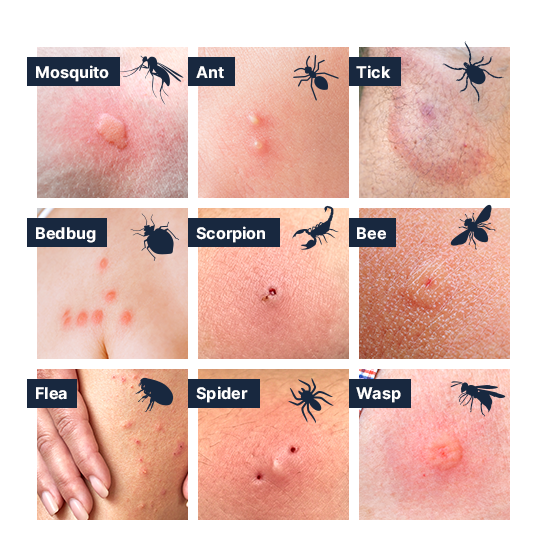
- Flea bites: Small, red, intensely itchy spots. Often in clusters or lines around the ankles, lower legs, and waist. There’s usually a tiny red dot at the centre. They tend to appear overnight or after sitting on a sofa or carpet.
- Bed bug bites: Flat or slightly raised red welts, sometimes in a line or zigzag pattern. Typically on exposed skin: arms, neck, shoulders, face. You won’t feel them happening because bed bugs numb the skin as they feed. The itch develops hours later, often in the morning.
- Tick bites: A single bite, usually painless. Sometimes the tick is still attached. Look for a small bump, sometimes surrounded by a reddening area of skin. If a bullseye rash develops around the bite, that’s a potential sign of Lyme disease and needs medical attention straight away.
- Bird mite bites: Intense itching, often across the upper body, arms, or wherever clothing fits closely. The mites themselves are tiny and nearly invisible. Bites can look like a fine rash or scattered red pinpricks. Symptoms often get worse in the evening.
- Dust mite reaction: Not technically bites, but causes skin irritation, redness, and itching, particularly in people with sensitive skin or eczema. Often worse in bed or on soft furnishings.
When in doubt, check the location and pattern of the bites. Fleas favour the lower body. Bed bugs go for exposed skin higher up. Mites tend to spread more widely. Ticks leave a single, obvious mark.
Not sure what's biting you this winter?
Our pest control team can identify the source and treat the problem properly.
Contact usPractical Measures to Prevent Winter Insect Bites
Prevention is far easier than dealing with an established infestation. These steps are straightforward, and most of them cost nothing.
Keep on top of vacuuming
Vacuum carpets, rugs, and upholstered furniture regularly, paying close attention to the edges and corners where fleas and their eggs collect. Dispose of the vacuum bag or empty the canister outside immediately. Flea eggs are tiny and will just re-hatch inside the machine if you leave them.
Wash bedding consistently
Bed bugs and dust mites both love bedding. Wash sheets, pillowcases, and duvet covers at 60 degrees Celsius weekly. That temperature kills both mites and bed bug eggs. Don’t let bedding pile up on the floor or hang over the side of the bed where it touches the carpet.
Treat your pets year-round
This one trips people up constantly. Many pet owners treat for fleas in summer and stop in October, assuming the cold takes care of the rest. It doesn’t. If your pet goes outdoors at all, keep flea treatment going through winter. Talk to your vet about the right product and schedule. Untreated pets are the most common reason flea problems appear indoors in January.
Control indoor humidity
Dust mites thrive in humid environments. Keeping indoor humidity below 50% makes conditions less comfortable for them. A basic dehumidifier in bedrooms can make a real difference, particularly in older homes where damp is already an issue.
Check yourself and your dog after outdoor walks
Ticks attach themselves quickly and quietly. After any walk in woodland, long grass, or heathland, check yourself, your children, and your dog thoroughly, especially around the hairline, behind the ears, under arms, and around the groin. Remove any ticks promptly using a tick removal tool, not with fingers or petroleum jelly.
Seal entry points
Gaps around pipes, cracks in skirting boards, and spaces under doors aren’t just draughts. They’re entry routes for insects. Sealing them reduces the risk of mites and other small insects moving in from outside or from neighbouring properties. It also helps with general heat retention, so it’s worth doing regardless.
Deal with bird nests carefully
If birds have nested on or near your property and have since moved on, don’t just leave the nest in place. Bird mites can move from an abandoned nest into your home within days. Remove old nests once you’re certain they’re no longer occupied, and check whether any nesting birds on your property are protected species under UK wildlife law before touching anything.
Check also:
Why Winter Bites Are Becoming More Common
It’s tempting to treat winter bites as a fluke. They’re not. There are real reasons why people are encountering biting insects in the colder months more often than they used to, and understanding those reasons makes the whole thing less baffling.
Milder UK winters, a consistent pattern over recent decades, are extending the active seasons of outdoor insects like ticks. Previously, a sharp and consistent November frost would suppress tick populations significantly. Now, with temperatures remaining above four degrees Celsius for much of winter in many parts of England and Wales, tick activity continues well past what it once did. Public Health England has tracked a gradual northward spread of tick populations as conditions have shifted.
Indoors, the story is driven by human behaviour as much as biology. Central heating creates a stable, warm microclimate year-round. This has effectively broken the seasonal lifecycle that would naturally suppress flea and bed bug populations. In an unheated building, flea eggs might lie dormant for months. In a heated home, they hatch regularly. Winter no longer provides the natural pause in infestation cycles that it once did.
Increased winter travel also plays a role. Hotels and short-stay accommodation see heavy use around Christmas and New Year. Bed bugs are expert hitchhikers. They move on luggage, clothing, and secondhand furniture. Winter travel patterns create more opportunities for them to spread between locations and end up in homes where they’ve never been before.
None of this is cause for panic. It just means winter bites are a predictable outcome of modern, heated indoor living and changing outdoor conditions — not a mystery. If you’ve tried addressing the problem yourself and it’s not shifting, a professional pest control service will locate the source of the infestation and treat it properly, which matters because these insects rarely stay confined to one spot for long.
Check also:
Common Mistakes to Avoid in Winter Pest Management
People make the same errors over and over when dealing with winter pests. Most of them are understandable, but they cost time and make the problem worse. Here’s what to watch out for:
- Assuming it can’t be bugs because it’s winter. This leads to delayed action while the infestation grows. Winter bites are real. Take them seriously from day one.
- Misidentifying the insect. Treating for bed bugs when you’ve got fleas means using the wrong products in the wrong places. Look at where the bites appear, when they appear, and whether pets are involved before drawing conclusions.
- Stopping pet flea treatment in autumn. Fleas don’t care that it’s cold outside. If your pet is treated but your home isn’t, existing eggs in carpets will still hatch. If your pet isn’t treated at all, the problem never stops.
- Only treating the visible area. Bed bugs spread. Treating just the mattress while ignoring the bed frame, headboard, and nearby furniture leaves the bulk of the population untouched. They’ll be back in the bed within days.
- Relying entirely on DIY products. Over-the-counter sprays and powders can help with light infestations, but they rarely eliminate the problem completely. If you’ve been at it for more than a couple of weeks without improvement, the problem is bigger than a can of spray can handle.
- Ignoring a tick bite. A tick bite in winter is easy to dismiss as a scratch or a random bump. If you’ve been outdoors in likely tick habitat and notice a bite with spreading redness or a bullseye pattern, see a GP. Don’t wait to see if it gets better on its own.
- Not washing bedding at the right temperature. A cool wash does not kill mites or bed bug eggs. It needs to be 60 degrees Celsius. If your machine doesn’t reach that, tumble dry on a high heat setting for at least 30 minutes instead.
Ready to deal with winter pests for good?
Don't wait for the problem to spread — get professional help and sort it properly.
Contact usConclusion
Winter in the UK doesn’t switch insects off. It just changes which ones you’re dealing with and where. Fleas and bed bugs stay active indoors all year. Ticks keep going through mild spells outdoors. Mites move in when you least expect them. Knowing what insects bite in winter in the UK means you’re not caught off guard when bites appear in January, and you can act quickly rather than spending weeks guessing.
Prevention is genuinely effective. Consistent pet treatment, clean bedding, regular vacuuming, and checking yourself after walks outdoors will deal with the vast majority of winter bite risks before they become a real problem. If something slips through, deal with it early. Winter pests are manageable. You just have to take them seriously.