



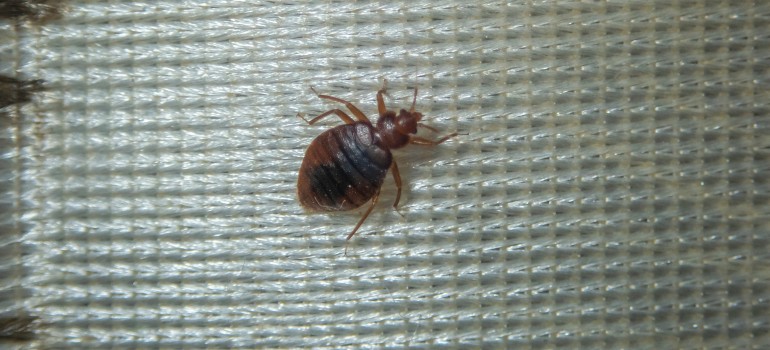
It’s hard to find and even harder to get rid of bed bugs. For the past decade, the pests have developed resilience to the strongest chemicals on the market and continue to do so. However, there’s one thing they haven’t adapted to, and that’s heat. What temperature kills bed bugs and their eggs instantly? That would be 50°C (122°F).
Heat eliminates bed bugs at all life stages in one go. Using heat also has the added benefit of avoiding chemicals altogether, as hot air can reach into wall voids, cracks, and crevices where bed bugs like to hide. You can use the property right afterwards. However, heat treatment for bed bugs requires some preparation on your behalf.
You need to declutter your property, remove items sensitive to heat, and open all doors, drawers, and cabinets so that the heat can penetrate effectively. Also, keep items that may harbour bed bugs inside; they must also undergo the treatment. These are just a handful of actions.
It’s important to know what to do before bed bug treatment. Each room has its specifics, but now you will learn everything you need to. This is how to prepare for bed bug heat treatment.
TL;DR
- Heat kills bed bugs and their eggs at 50°C (122°F), treating all life stages in a single session.
- Move all furniture at least two feet from walls before treatment to prevent cold spots where bugs can survive.
- Wash all bedding at 60–90°C and leave clothes loosely hung in wardrobes — never seal them in plastic bags.
- Remove heat-sensitive items before treatment: aerosol cans, medications, candles, cosmetics, flammable liquids, fresh food, and fish tanks.
- Remove sensitive electronics (laptops, smartphones, TVs, gaming consoles) from the property; unplug everything else.
- After treatment, air out rooms, vacuum all surfaces with focus on crevices, and do not run air conditioning or your washer/dryer until the temperature drops below 27°C.
- You can sleep in your bed the same night after heat treatment — fit mattress encasement covers for added protection.
Table of Contents
How to prepare your bedrooms for heat treatment
As part of the preparation for bed bug heat treatment, getting your bedroom ready is of utmost importance.
How to prepare your bedroom before a professional bed bug heat treatment to ensure full coverage and avoid cold spots
Move furniture away from walls
Begin by moving all beds that require treatment at least two feet away from the walls. The pest control technician needs access to the entire perimeter of the room — any furniture, such as drawers pushed against the wall, needs to be pulled away to allow the technician to treat around the skirting boards.
Hoover skirting boards and crevices
Hoover all the areas again after moving the furniture away from the walls, paying close attention to the bottom of skirting boards and any cracks. This is where bed bugs commonly hide and lay eggs.
Wash and remove all bedding
Before the treatment, remove all bed linens and wash them at 60–90°C. When bedding or a mattress is too heavily infested to be treated, you may have to dispose of it. A pest technician can help you determine the best method of getting rid of your mattress without the risk of spreading bed bugs.
Clear storage from under the bed
Remove any storage items or boxes stored under your bed. These can block heat circulation and create cold spots where bed bugs survive.
Deflate airbeds and drain waterbeds
Deflate your airbeds, unplug them from the wall outlet, and completely drain your waterbeds. This allows heat to reach the frame surfaces under and around the mattress.
Remove rubbish and vacuum pet hair
Get rid of any rubbish you’ve accumulated. Leaving it there is unnecessary — it will smell after intense heat and may attract more pests, even some that look like bed bugs. Vacuum a day or two before treatment as well, especially if you have pets, as hair and fur can interfere with the equipment.
Learn How to Check For Bed Bugs and How to Check Used Furniture for Bed Bugs
Don’t underestimate moving pieces of furniture away from the walls. This is one of the ways to prepare for bed bug heat treatment. If you fail to do so, you will get cold spots. Cold spots are areas that don’t get enough air circulation. The result is that they don’t get hot enough, and the pests survive in them.
Taking items out of the room during treatment increases the risk of bringing bed bugs back in because those items might have bed bugs or eggs hidden in them. If you move them, you could accidentally spread the infestation to other areas.
To prevent this, it’s important to leave everything in the room and keep items in their original spots. Basically, everything in the room should stay where it is, and items in corners should remain there too.
Read Also: Can Bed Bugs Infest Your Hair? Is it Something Else?
How to prepare wardrobes and clothes
Clothing is an excellent place for bed bugs to hide. That is why this is an essential part of heat treatment preparation. Clothes and luggage that have been exposed to the infestation need to be treated as well.
- You can leave clothing on hangers in your wardrobe, but it needs to be stored loosely. The heat will circulate around them and kill the bed bugs.
- All other clothing should be washed in hot water and dried at the highest setting. Items that cannot be laundered and dried (including coats and jackets) may need to be dry-cleaned. Do not place clothing in an infested room/area until the treatment has been completed and the bedbugs have been eliminated.
- Never place clothing into plastic bags as part of the bed bug heat treatment. The bag will not be affected by the heat, leaving your clothes prone to bed bug infestation.
How to prepare items sensitive to heat
So, what items can stay, and what can get damaged during heat treatment? As part of your bed bug heat treatment preparation, remove the items listed below:
- Aerosol cans and other pressurised containers, such as deodorants
- Glue
- Paint
- Lighters
- Flammable chemicals
- Fresh Food
- Wax products such as candles
- Cosmetics and perfumes
- Alcoholic drinks
- Medications
In addition, take out all delicate picture frames and pictures before treatment.
Removing aquariums and fish tanks is a must before any kind of pest control treatment, including heat treatments. You should also take out plants from the property.
As far as electronics go, the answer to whether heat treatment damages them depends on the device. Here’s a quick breakdown of what needs to leave the property and what can generally stay.
| Remove before treatment | Can generally stay — unplug them | |
|---|---|---|
| Laptops and desktop computers | Toasters and kettles | |
| Smartphones and tablets | Microwaves and coffee makers | |
| Televisions and monitors | Regular light bulbs and basic light fixtures | |
| Gaming consoles | Basic clocks and radios | |
| Audio equipment and cameras | Fans and heaters | |
| Home medical devices (e.g. CPAP machines, glucose monitors) | Basic home telephones | |
| Home automation devices | Kitchen gadgets like electric can openers or blenders | |
| Printers, scanners, modems and routers | Many power tools |
Still, it is a good idea to unplug all electronics around the house.
Read Also: How to Effectively Prepare Your Home Before Pest Control Visits
What to do after bed bug heat treatment?
After the treatment has been completed, you can enter your home. Upon return, air out the treated areas for a couple of hours to cool them down.
As soon as the treatment is finished, you can begin cleaning. It is important to remove all dead insects and eggs from all your belongings when you are cleaning. Start by vacuuming all soft surfaces thoroughly. Focus on the outside crevasses, which are places where these insects burrow when the heat becomes unbearable.
You can use any regular cleaning product on hard surfaces. Don’t forget to clean the inside of every drawer, not just the outside of furniture pieces.
Don’t turn on the air conditioner or use the washer and dryer until the air temperature drops below 27 degrees Celsius (80 degrees Fahrenheit).
Following a bed bug treatment, you should still monitor your property for any bed bug activity.
How much does bed bug heat treatment cost?
Depending on how many rooms you need to treat and how much time it takes, bed bug heat treatment costs vary. Small infestations are usually contained in a couple of rooms, at most, that need to be treated.
Costs vary significantly — during an initial inspection, a technician will provide a written estimate based on the number of rooms and severity of infestation. You’ll pay slightly more for heat treatment than chemical treatment.
During an initial inspection, a technician can provide you with an estimate of the cost, how long the entire process will take, and what you should expect during the service.
Moreover, the prep work required before the first session can be quite time-consuming, but following the instructions is crucial for achieving full eradication.
Read Also: How to Choose a Reliable Pest Control Company
Frequently Asked Questions
Can you sleep in your bed after bed bug heat treatment?
Yes. You can sleep in your bed the same night after heat treatment is completed. Fit a mattress encasement cover over the mattress and box springs — this prevents any surviving bed bugs from escaping if a small number were missed.
How long does bed bug heat treatment take?
The duration depends on the size of the property and severity of the infestation, but a typical session for a single room or small flat usually takes several hours. Your pest control technician will give you a time estimate during the initial inspection.
Do you need to leave the property during bed bug heat treatment?
Yes. You, your family, and pets must vacate the property for the duration of the treatment. You can return once the technician confirms the session is complete and the property is safe to re-enter.
Are you dealing with a pest infestation?
You don't have to be alone in the battle against pests. Hire a professional pest expert!
Call usTakeaways
- Treatment with heat is the best method of eradicating bed bugs;
- Bed bugs in all stages of their lives, including their eggs, can be destroyed by high temperatures;
- If bedding or a mattress is heavily infested, you may need to dispose of it;
- Certain household items cannot be exposed to heat, such as aerosol cans or any flammable chemicals;
- Even after heat treatment, you can still sleep in your bed;
- A full bed bug heat treatment is beneficial because it rids your home and belongings of bed bug infestations;