




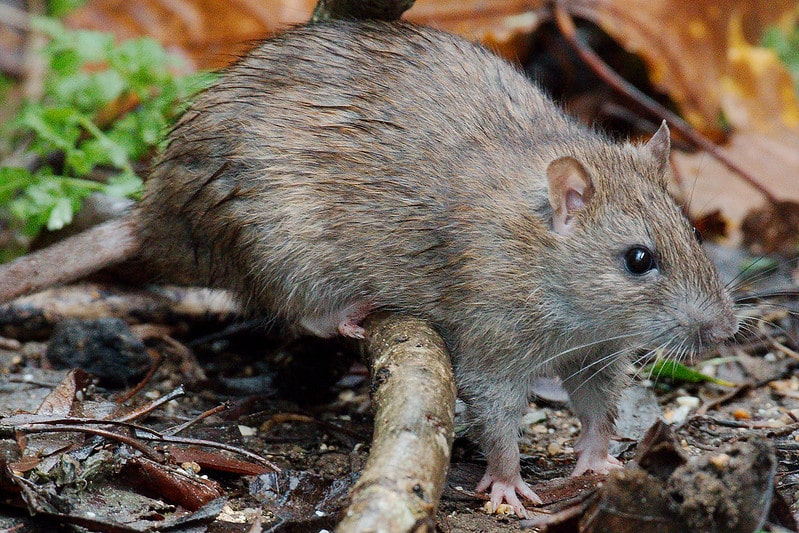
If you’ve spotted a rat in your garden, you’re not alone — and you don’t need to reach straight for poison to deal with it. There are several effective ways to get rid of rats without poison, from natural deterrents and habitat changes to collapsing burrows and using traps. This guide covers all of them, so you can pick what works for your situation and act quickly before one or two rats become thirty.
We all know how creative and stubborn they can be. Once they’ve infested your home, you’re better off calling a pest controller who can eradicate the problem and save you the headaches and sleepless nights.
However, if you live in a home with a garden, you know that this area is the weak point of entry into your property for rats and mice. That’s why it’s a good idea to reinforce the place against rodents who can ruin it. There are a few ways to do it using organic methods and taking advantage of what’s already in your garden.
TL;DR
- You can get rid of rats without poison using plants, traps, burrow destruction, and removing food sources.
- Rats dig burrow holes roughly 8 cm wide and tunnel 45–60 cm deep, sometimes further.
- Strong smells like peppermint, ammonia, and garlic can drive rats out of burrows before you seal them.
- Remove food sources (fallen fruit, open bins, bird seed spills) and rats will look elsewhere quickly.
- A family of barn owls can eat hundreds of rodents in a single season — owl boxes are a genuine long-term deterrent.
- If the infestation is established, DIY methods slow it down but professional pest control is the most reliable fix.
- Fill sealed burrows with compacted soil and stones, then disinfect the area to remove scent trails.
Table of Contents
What to Do If You See a Rat in Your Garden
Seeing a rat in your garden during daylight is a warning sign worth taking seriously. Rats are naturally nocturnal, so a rat out in the open during the day usually means the local population is large enough that competition for food and space is pushing individuals out at unusual hours. Don’t wait to see another one. Start with the steps below: remove food sources, check for burrow holes, and put deterrents in place straight away. If you see signs of an active burrow or more than one rat, treat it as an established infestation and act accordingly.
How to Get Rid of Rats in the Garden Naturally
For quite some time, people have determined that some plants successfully deter rodents. Pay attention that this method is only effective during the spring and summer months when you can cultivate plants.
During the winter months, you will need to keep the garden clean, your garbage under lock and constantly check your shed if you have one. Don’t give time to these creatures to burrow and infest your place.
Plants That Work as a Natural Rat Deterrent
Mint
Rats very much dislike the smell of mint. Growing beds with mint at different places around the garden is a good way to cut off some access points for the rodents. The other benefit of growing mint is using it fresh in your food and beverages.
Garlic
Again, the smell is repulsive to the creatures. Once they come in close distance with it, they will think twice before getting close to it. You can experiment with garlic water and squirt it down a rat burrow.
The smell will make it uncomfortable for the rats to live there, and they will leave the place for a more comfortable one. The other perk for you is growing fresh garlic and cooking some tasty meals.
Lavender
Rats rely on their sense of smell to find food and avoid dangerous situations like coming in close proximity to predators or with something repulsive to their senses. One of the most preferable smells for humans — the scent of lavender — can have quite the opposite effect on rats. Because of its potent smell, it can deflect them from finding food, so they try to avoid plants like this one. It may be helpful to plant it around areas where rats may be attracted, around decks, garden structures and around the perimeter of the yard.
Herbs
Creating a border of herbs like basil, thyme and echinacea around the outside of your garden is a great control method. Once the rats smell them, they will consider that your place has nothing to offer and they better run to the neighbour who probably doesn’t have a “repulsive” border around the garden.
It’s a kind of win-win situation. You will keep the rodents away, as well as the mosquitoes in the summer, and have some fresh herbs and a pleasant scent in the garden.
Onion
On the one hand, you can go for growing onions in your garden or just place onions at the most common points of entry for the rats. After taking one smell at it, they will run. Just make sure to put a new onion every few days otherwise, it will rot. And instead of repelling the rodents, it will become their food.
However, onions can be dangerous if you have pets. It is especially poisonous for dogs. Growing beds with onion, garlic and leeks is a pretty effective way of creating a natural border for keeping not only rodents but several other pests at bay as well.
The Role of Predators in Natural Rat Control
Nature has a way of maintaining balance, so predators are quite helpful in managing rat numbers. Keeping rats under control in your yard will depend on inviting natural predators including owls, hawks, and even cats. Particularly good rat hunters are owls, and just one family of barn owls will eat hundreds of rodents during a season.
By putting owl nesting boxes in your garden, you can draw in these predators and organically manage the rat population without using poison.
Securing Food Sources and Removing Temptations
Removing the initial source of attraction for rats is a highly straightforward and efficient approach to managing their problem. Because they are attracted to food, if you’re not careful, gardens can become a rat buffet. Rats enjoy searching through compost for leftovers, so keeping your bin closed will help prevent them from doing so.
It’s crucial to frequently pick up any fruit or vegetables that have dropped to the ground if you grow your own. Anything that is left lying about will be gladly devoured by rats. Additionally, keep all garden supplies, pet food, and bird seed in properly sealed containers. This lessens the likelihood that rats will discover a reliable food supply.
Rats are also drawn to bird feeders. Although birds are wonderful visitors to the garden, be sure to clean up any seeds that have scattered around feeders because rats will eat everything they can get their hands on. Rats won’t find your garden as enticing if you keep the area neat.
Read also: How to Feed Birds Without Attracting Rats
Maintaining Cleanliness to Deter Rats
A chaotic garden is a rodent’s dream come true. These pests find the perfect hiding places in overgrown foliage, piles of waste, or wood stacks. Rats will be repelled if you take the time to periodically clean up your garden.
To begin, remove any bushes or plants that might be growing dense cover, which could serve as a breeding ground for rats. The locations where rats feel secure enough to establish a nest can be eliminated by removing leaf piles, fallen branches, and other superfluous debris.
Consider also securing any outdoor sheds or greenhouses. Rats can squeeze through surprisingly small gaps, so checking for and sealing up any potential entry points can prevent them from using these structures as shelters.
Check also: How to Get Rid of Rats in the Attic for Good
Are you dealing with a pest infestation?
You don't have to be alone in the battle against pests. Hire a professional pest expert!
Call usHow to Get Rid of Burrowing Rats in the Garden Naturally
If rats have moved in underground, deterrents alone won’t shift them. You need to locate the burrows, drive the rats out, destroy the tunnel, and seal the entrance properly so nothing moves back in. Here’s how to do each step.
Rats are one very clever species. They’re very good at concealing their presence until it’s too late. They track all activity around them and are experts at hiding, waiting for you to go to bed at night so they can come out of their burrows and wreak havoc on your property.
Rats usually get in your garden because it is a constant source of food and a great place for hiding. Once they settle there, you need to exercise some serious rat control methods or seek the services of professionals to get rid of the rodents. Believe it, it’s a difficult and not very pleasant task. What’s crucial is to direct your attention to catching the rats rather than trying to deter them.
How to Spot Rat Holes in Your Garden
Rat holes in a garden are easier to identify than most people expect, once you know what to look for. A typical rat burrow entrance is roughly 6–9 cm in diameter — about the size of a large orange. The opening is usually smooth and clean around the edges, worn by regular use. You’ll often find a small fan of freshly excavated soil just outside the hole, and worn run-tracks in the grass or soil leading away from it.
Rats love close, dark spaces. They can find and create a home even underground, which comes with all sorts of problems for you. The rodents prefer ground that has been cultivated because it’s easier to dig into it. They will also conceal the entrance well, so check along fence lines, under decking, beside garden walls, and at the base of compost heaps.
Usually, rats burrow down 45 cm to 60 cm, but they are capable of digging even deeper. The length of the burrow may reach no further than a metre. Bear in mind, though, that they are capable of digging their way down underneath the foundations of a house to gain access inside — which is why dealing with burrows quickly matters.
Repelling Rats From the Burrow
Before filling the burrow, you need to drive the rat out. Here are some methods to get rid of intruders:
- Mothballs: the smell emitted by this chemical compound is potent and will chase away the rodent, giving you a chance to close the hole.
- Ammonia: it is very similar to the pungent smell of urine. It will confuse the rats and make them think there are foxes nearby that scream danger all around. The strong odour will keep the rats away for a long time because they don’t like the idea of becoming prey to foxes.
- Peppermint: rats just can’t stand this aroma. Dip cotton wool in peppermint oil and place it in the burrow entrance. You’ll need to replace it every 3–4 days, but it won’t be long before the rats move out of the smelly hole.
- Bay leaves: rats tend to avoid the smell of bay leaves, making them a useful deterrent to place around and near burrow entrances.
How to Destroy a Rat Burrow and Fill It Properly
First, make sure whether the burrow is occupied or not. During the day, when rats are usually hidden inside, you can block the hole entrance loosely with screwed-up newspaper or a handful of soil. If there are occupants, they’ll dig their way out overnight. Come back in the morning — if the blockage has been cleared, something is still living there. If it hasn’t been touched for a couple of days, the burrow is likely empty.
Once you’re confident it’s empty, fill it properly. Use compacted soil mixed with a few stones and push it firmly into the hole. Ram it in tight to make it difficult for other rodents to dig back through. Then apply a strong disinfectant around the filled area to remove any remaining rat scent, which would otherwise attract new visitors.
If you want to protect a new garden or an area where you’re not growing plants, lay a piece of wire mesh netting just under the soil surface. It will prevent rats from burrowing or eating roots and bulbs. Some persistent rats will chew through plastic netting, so use metal mesh where possible.
Check also: How to get rid of and keep mice out of a shed
Are you dealing with a pest infestation?
You don't have to be alone in the battle against pests. Hire a professional pest expert!
Call usDo rats burrow underground in UK gardens?
Yes. Rats — particularly brown rats, which are by far the most common species in the UK — are strong burrowers. They dig tunnel systems in soft or cultivated soil, typically reaching 45–60 cm deep, though they can go deeper if needed. Gardens with loose compost-enriched beds or soil near decking and sheds are especially attractive.
How deep do rats burrow?
Rats typically burrow to a depth of 45–60 cm, though some tunnels go deeper, particularly when rats are trying to get beneath a structure like a shed base or house foundations. The tunnel length rarely exceeds a metre, but the network can branch and connect to multiple entrances.
What do rats hate the most?
Rats have a highly sensitive sense of smell and are strongly repelled by peppermint oil, ammonia, garlic, and the scent of predator urine. Strong-smelling plants like mint, lavender, and alliums (garlic, onion, leeks) also deter them. Bright, open spaces with no cover or food sources are equally off-putting — rats rely on concealment and will avoid areas where they feel exposed.
Will rats leave my garden on their own?
Unlikely. If your garden offers food, water, and shelter, rats have no reason to leave. They reproduce quickly — a single pair can produce dozens of offspring in a matter of months. Remove the food sources and block the shelter first; if that doesn’t shift them within a couple of weeks, you’ll need traps or professional pest control.
Is it safe to get rid of rats without poison if I have pets or children?
Yes — and it’s often the smarter choice. Rodenticide poison carries a risk of secondary poisoning, where a cat, dog, or bird of prey eats a poisoned rat and is harmed as a result. Snap traps, natural deterrents, burrow-filling, and habitat changes are all effective options that don’t carry that risk. Keep snap traps inside a locked bait station if children or pets are present.
Conclusion
Keeping rats away from your garden using natural and humane methods takes time and consistent effort — but it works when you’re thorough. Remove the food, kill the cover, destroy the burrows, and use scent deterrents to make your garden an unattractive place to settle.
If you spot a rat, act the same day. Don’t give it a week to invite its extended family. The difference between catching it early and dealing with a full infestation is often just a few days of inaction.
Once you have an established rat infestation, you need to call rat pest control specialists or consult how best to tackle the problem. You need to get rid of the rodents completely. Only after your property is cleared of all traces of infestation can you think about how to prevent mice and rats from coming back into your garden and home. The methods listed in this guide are your starting point for keeping them out for good.




I found what was like a rat hole in my lawn. I put water in it and it kept going down never filled up. this went for about 10 minutes. What other hole could this be because if rat holes only go down 3 feet this wasn’t a rat hole. thanks.
Steve
We did tha same thing and realised the rats were coming from an underground drain. Hence, it never filled with water.
Rats and mice are very dangerous as they can spread plague and other diseases. The best option is to keep your place clean. Keep waste foods in the closed bins. If still the rodent infestation persists then it is best to user pest control services.