




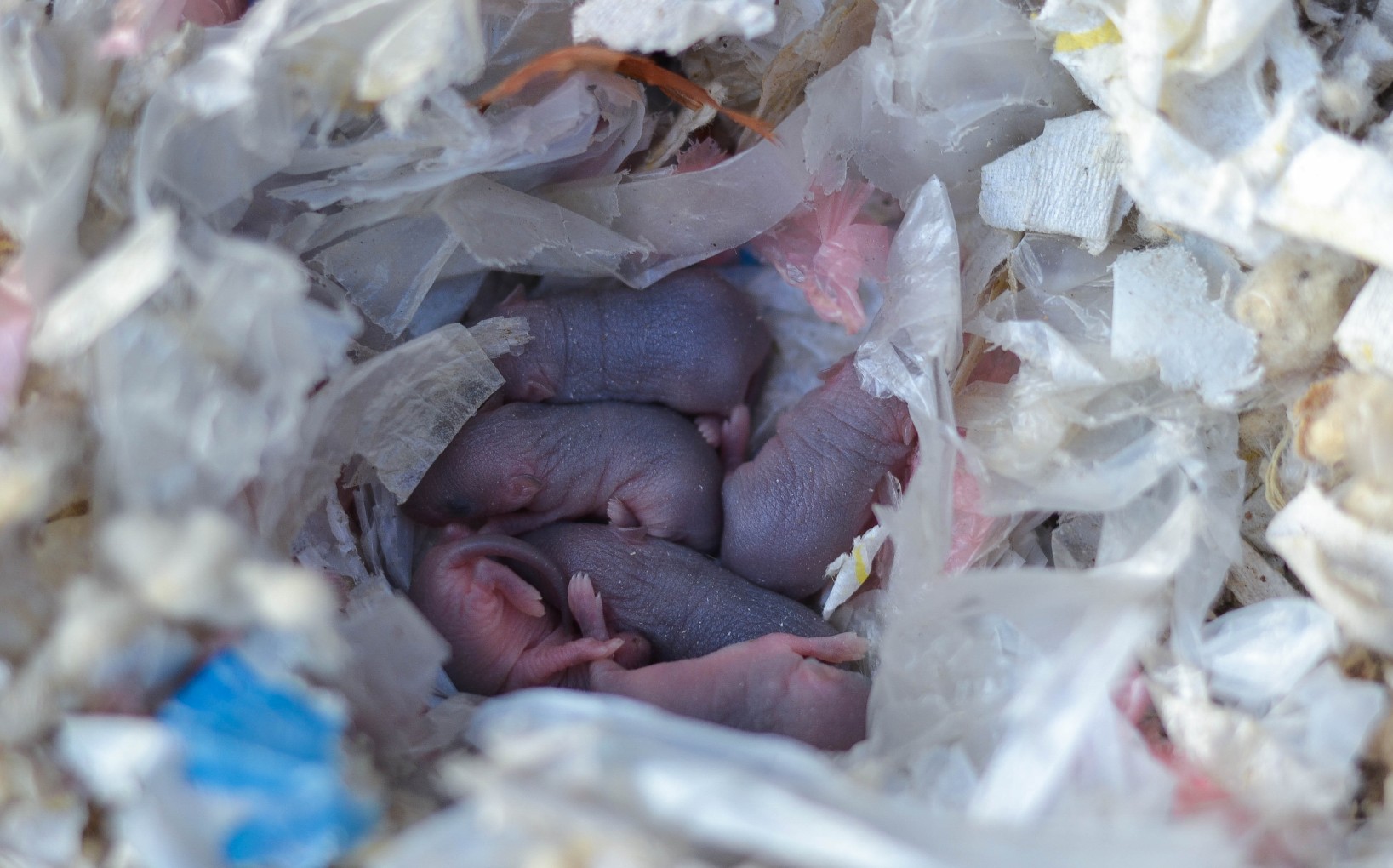
Spotting a rat scurrying around your home or business can be distressing, but a rat’s nest can be even more alarming. Rat nests can pose a fire hazard because they are often made up of flammable materials such as paper and cloth. Besides causing significant property damage due to nest building, disturbing a rat nest also presents a health hazard.
So, if you:
- Are wondering what happens if you try to destroy a rat’s nest;
- Trying to figure out what to do if you disturb a nest of rats accidentally;
- Searching for the best possible way to get rid of rats nest;
Continue reading to find out what happens if you try to remove a rat’s nest on your own.
TL;DR
- Disturbing a rat’s nest can trigger biting, expose you to disease, and cause rats to scatter and nest elsewhere in your property.
- A rat’s nest typically houses 5 to 10 rats, though a colony may contain multiple interconnected nests.
- Rats rarely abandon a nesting site voluntarily — most will return even after significant disruption.
- To safely remove a nest yourself: eliminate the rats first, then remove the nest wearing gloves and goggles, then disinfect the area with a bleach solution.
- Disturbing a nest without protection carries a real risk of airborne infection from rat droppings — always wear gloves and a mask.
- Professional pest control is the safest and most reliable way to deal with a rat’s nest for good.
- Prevent rats nesting by sealing gaps, securing bins, decluttering, and inspecting your property regularly.
Table of Contents
What do rat nests look like?
A rat’s nest looks like a loose, roughly circular mound of soft material — somewhere between a bird’s nest and a pile of shredded debris. It tends to be around 30 to 50 cm across and sits in a sheltered corner, cavity, or tight space close to a food source.
Rats build their nests from whatever soft material they can find nearby. Common materials include:
- Shredded paper and cardboard
- Fabric and cloth scraps
- Insulation material
- Dried plant matter and leaves
- Plastic shreds and packaging
Typically, rats nest in warm, concealed areas near food sources to sustain their young. While rats are remarkably resilient, they depend on certain conditions to build nests.
A strong unpleasant odour is one possible indication of a rat’s nest. If you’re unsure whether the nest belongs to rats, you can look for other signs of an infestation, such as chewed electric cables, furniture legs, insulation, or food packaging.
How can you tell where a rat’s nest is located?
A common hiding place for rats is beneath the decking, where they can build their nests in hidden areas. Additionally, sheds and outbuildings provide rats with suitable habitats for burrowing, and you can identify entrances by looking around the edges of these structures.
Rats also prefer burrowing next to solid surfaces such as walls. When inspecting garages, it’s essential to check for gaps around door frames or wooden doors with gnawed holes at the bottom, as rats can gain entry through such openings.
Indoors, rats commonly nest in roof spaces and lofts, under floorboards, inside wall cavities, and behind kitchen appliances — anywhere warm, hidden, and close to a food source.
Read also: Do Rats Nest Under Decking
What happens if you disturb a rat’s nest?
Disturbing a rat’s nest can trigger biting, expose you to disease through droppings or bites, and cause the rats to scatter and establish new nests elsewhere in your property. Rats are territorial and unlikely to simply leave — professional removal is usually required.
A rat’s nest in your home can be frightening; however, you should avoid the impulse to get rid of it immediately. Disturbing a rat’s nest can have several potential consequences.
- Biting – The rat is not an aggressive creature but known for being territorial and stubborn. Stress can make rats defensive and exhibit violent behaviour such as biting and chasing. A rat bite can pose a significant health risk — rats can carry bacteria and viruses in their saliva that cause infections such as rat-bite fever, which can be potentially life-threatening if left untreated. If a wound isn’t properly cleaned and disinfected, it can become infected and lead to further complications.
- Airborne infection – You don’t need to be bitten to pick up a disease from a rat’s nest. Disturbing a nest can release dried droppings and urine particles into the air. Inhaling these carries a risk of serious illness, including Hantavirus and Weil’s disease. This is why wearing a mask and gloves before approaching any nest is non-negotiable.
- Relocation – Attempting to destroy a rat’s nest could result in the rats escaping to another area of the house, potentially leading to a more challenging infestation to resolve. Making an infestation worse could cause rats to breed in other crevices of the house, leading to more damage.
How many rats are usually in a nest?
A rat’s nest typically houses between 5 and 10 rats, though a colony may consist of multiple interconnected nests. A single breeding female can produce 5 to 6 litters per year of up to 12 pups each, so numbers can escalate rapidly if a nest is left undisturbed.
Typically, rats live in large groups inside dwellings with easy hiding places for nests. The number in any one nest may vary based on its age and whether offspring are present. They often form colonies by creating multiple nests close to each other, which increases the number of rats within an area considerably.
Check also:
How to Tell How Many Rats Are in the House
Do rats return to the same nest?
Yes — in most cases, rats will return to a disturbed nest. Their strong territorial instinct means they rarely abandon a nesting site voluntarily, even after significant disruption.
The majority of rats will still return to the nest no matter how disturbed it is. The territorial nature of rats makes them go to great lengths to establish a home. When they find a nesting area that provides them with what they need to survive, they won’t abandon it easily.
It is unlikely for rats to leave their nest without the intervention of a pest control professional to provide treatment and control measures.
Methods to get rid of a rat’s nest
Calling a professional pest control company is the best way to get rid of a rat’s nest. However, in case you have decided to do it yourself, below are some helpful tips to safely remove a rat nest:
How to safely remove a rat’s nest yourself — eliminate the rats, remove the nest without spreading contamination, then disinfect the area.
Eliminate the rats
Use traps or poison to remove all rats from the area before touching the nest. Only move on to the next step once you’re confident all rats are gone.
Remove the nest safely
Wear disposable gloves and goggles before handling anything. Bag the nest carefully without shaking it — shaking releases airborne particles from rat droppings that can carry serious disease. Seal the bag immediately.
Clean and disinfect the area
Spray the area with a bleach solution before wiping it down. Dispose of all nest material, PPE, and cleaning materials in a sealed bag placed in an outdoor bin.
Learn How to Get Rid of Rats in Your Home
How to prevent rats from nesting on your property
Disturbing a rat’s nest carries multiple risks, and it’s best to take preventative measures to minimize the chances of rat infestations. Rats are known for building their nests in areas with easy access to food, water, and shelter, often found in people’s homes.
Ensure that all waste and garbage are stored in sealed bins and seal any openings inside and outside your home and shed to prevent rats from entering. Remember that rats can fit into spaces as small as one inch, so check for significant gaps under doors or cabinets and seal them off.
Furthermore, it’s essential to regularly inspect your dwellings for any signs of rats, such as small bite marks and accumulated debris in corners where rats may be storing materials to build their nests.
Declutter and tidy your living space to discourage rats from nesting in your house. The same goes for taking good care of your garden, especially during cold weather when rats seek shelter.
Look for signs of rat presence in common places such as sheds, compost piles, and firewood stacks. Avoid leaving rubbish outside and keep debris to a minimum to avoid attracting rats. The following tips will help you keep rats out of your garden.
Takeaways
- In response to stress, rats might exhibit violent behaviours such as biting and chasing;
- There are multiple risks associated with disrupting a rat’s nest;
- Getting in touch with a professional pest control company is the best way to get rid of a rat’s nest;
- Rat infestations can be prevented by taking preventative measures, such as decluttering, securing waste bins, and sealing gaps and holes;
- Disturbing a nest without protective gear carries a risk of airborne infection from rat droppings — always wear gloves and a mask.
Image source: OlhaSemeniv / Shutterstock.com



Leave a Reply