




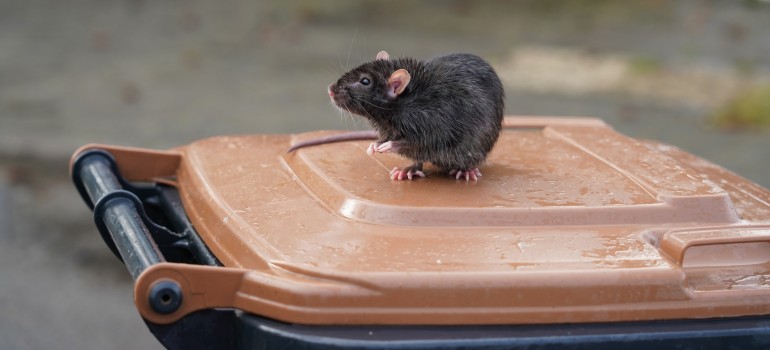
One of the UK’s most common pests is the rat, specifically the Norwegian and Brown species. Rats are known to be very adaptable creatures. They have an excellent sense of smell and hearing and can climb, jump, swim, and burrow with enviable skills. In favourable conditions, the rats’ population can grow rapidly and cause significant property damage.
That is why any sign of a rat infestation should be taken seriously and acted upon quickly. If your neighbour has rats, what can you do to prevent them from entering your property? You’re in the right place.
In this article, you will find important advice on how to deal with rats coming from your neighbour’s house, as well as learn some of our tips on making your home inhospitable to pests.
TL;DR
- Rats are a public health concern in the UK — every property owner has a legal duty under the Prevention of Damage by Pests Act 1949 to keep their land free of rats.
- Your first step is to speak to your neighbour. They may simply not know the rats are there.
- While you wait for your neighbour to act, seal your own entry points to stop rats crossing the boundary.
- If the problem persists, you can report a rat infestation to your local council’s environmental health department.
- Your council has powers to inspect the property and issue a formal legal notice requiring the owner to deal with the infestation.
- Tenants should report to their landlord first, not contact the council directly.
- Removing food and water sources and using natural deterrents like peppermint oil will reduce the risk of rats spreading to your property.
Table of Contents
What should I do if my neighbour has rats?
If you’re a tenant, speak to your landlord first. Under common law, landlords are responsible for dealing with a pest infestation in their property. Even if the rats are coming from next door, it’s still adversely affecting your home — and that makes it your landlord’s problem to sort out, not yours to escalate directly to the council.
If you’re a homeowner or landlord yourself, here’s the procedure to follow:
How to protect your home and escalate the issue when a neighbouring property has a rat problem.
Talk to your neighbour
You may have noticed rats creeping from your neighbour’s house, or spotted the signs of their presence nearby. That doesn’t mean your neighbour has clocked them yet. Approach them calmly and politely, share what you’ve seen, and give them the chance to act. Most people will want to deal with a rat problem once they know it’s there.
Seal entry points in your own property
While you’re waiting for your neighbour to take action, get your own defences in order. Block any potential entry points and gaps in your fence, garage, basement, attic, or cellar. Rats can squeeze through a gap the size of a 50p coin, so be thorough. This step won’t fix the source of the problem, but it will stop the problem from becoming yours.
Hire a certified pest control company
If your neighbour still hasn’t acted, call in a professional exterminator. They can assess the extent of the infestation, treat your property, and advise on what else you can do to stop rats from returning. It’s not admitting defeat — it’s being sensible. Find a rat control specialist who can act quickly.
Contact your local council’s environmental health department
If the problem persists and your neighbour has still not taken steps to deal with the infestation, you can report it to your local council’s environmental health department. Under the Prevention of Damage by Pests Act 1949, local councils have the power to inspect a property and issue a statutory notice requiring the owner to address the rat problem. This is a formal legal route — the owner must comply or face further action. Use gov.uk/report-pest-problem to find and contact your local authority. Bear in mind that some councils in England offer this service free of charge, while others may charge a fee — it varies depending on where you live, so it’s worth checking with your local authority before you contact them.
In the meantime, try to make your house less attractive to pests. If there is no reason for your neighbour’s rats to come over to your place, then you won’t have to deal with them.
Read also: Who Is Responsible for Rats in Drains?
Why must rats be controlled?
The dangers of a rat infestation are numerous. Rats pose real health hazards to homeowners, and some of the diseases they carry can have serious consequences for human health. It’s also worth knowing that under the Prevention of Damage by Pests Act 1949, every property owner in the UK has a legal duty to keep their land free of rats and mice — it’s not just a matter of courtesy to your neighbours, it’s a legal obligation.
To give you more insight into why rats must be controlled, we’ve gathered below the main types of damage rats can inflict on people and their property:
- Rats transmit dangerous diseases, such as Salmonella (food poisoning) and Weil’s disease, which is a serious infection and can even be fatal for humans.
- They feed on human food sources and can contaminate food, water and cooking surfaces.
- Rodents inflict serious property damage by scratching or gnawing on furniture, water pipes and electrical cables (the latter may even cause an electrical fire hazard).
- Their gnawing habits have been known to disturb important utility services, like power supplies, or affect traffic light systems.
Although the list doesn’t fully cover the possible consequences of a rat infestation, we hope we have given you a good enough reason to act immediately when you notice the very first signs of the rodents, even if the pesky rats are in the neighbours’ garden.
Are you dealing with a rat infestation?
You don't have to be alone in the battle against pests. Hire a professional pest expert!
Call usWhat attracts rats to your house?
Rats are opportunists. They move towards properties that offer food, water, shelter, or easy access — and away from those that don’t. Understanding the specific triggers below is the fastest way to make your home unattractive to rats coming from a neighbouring property.
It’s always better, if possible, to take preventative measures in advance to keep rats away, rather than trying to fight an infestation when it is already ongoing. That is why to prevent rats from coming near your garden and house, you need to know the key factors that invite rodents to a property.
Here is what attracts rats to your house:
- Food: Since rats are omnivores, they can become attracted by various kinds of food sources left out in the open or such that are simply easily accessible.
- Water: Any form of water supply will do. Leaky pipes, hoses and taps are obvious draws, but so are pet bowls and birdbaths left outside — rats will drink from both without hesitation.
- Shelter and warmth: The warmth and comfort of houses can look pretty attractive to rats in their search for a warm and safe place to nest, breed and hide from other animals. Decking is a particular problem — the dark, sheltered void underneath is exactly the kind of spot rats head for when they’re looking for somewhere to settle.
- Nesting materials: Rat nests can consist of clutter, like shredded paper, dried plants, cardboard and other soft materials.
- Vegetation: Fruit trees in your garden, houseplants, seeds and other vegetation can serve not only as rats’ food but also as nesting material or an easy path to your roof.
- Waste: Rats really do eat everything, even food digested by other animals. So, if you have pets or open trash cans, your house has a higher chance of becoming a rat’s target.
- Entry points: If your fence or house has plenty of open access points, then you are not making it very difficult for vermin, like rats, to enter your property.
Now that you know what attracts rodents, you should take measures to proof your property appropriately against troublesome vermin. However, if you have already noticed signs of a rat infestation on your neighbour’s property, you will probably need to take more serious actions to handle the situation.
Check also:
How to Get Rid of Rats in the Attic
How to keep rats away
Whether you’ve decided to contact your local authorities or directly call a pest control company, you can still take steps to make your home less attractive to rodents in the meantime. Garden rats are particularly drawn to properties that give them everything at once: food, water, cover, and a quiet corner to nest. Cut off those things, and you remove most of the reason they’d bother crossing the boundary in the first place.
Here are some tips on how to make your home rat-proofed:
- Eliminate food sources: Don’t store food on your kitchen counter. Stop feeding birds, or at least switch to husk-free food that leaves less residue on the ground. Don’t leave pet food outside, and remove and wash the bowl as soon as your pet has finished eating.
- Eliminate water sources: Remove standing water wherever you can. Empty pet bowls and birdbaths when they’re not in use, fix dripping taps and hoses, and check for any pooling water around drains or paving.
- Keep your garden clutter-free: Cut your grass regularly and dispose of fallen leaves and fruit as soon as possible. Keep your firewood logs above ground level and as far away from the property as possible. Clear your gutters out regularly.
- Use natural rat repellents: Spread peppermint oil, chilli oil, black pepper, onion or cloves in your garden. Rats don’t like the smell of those things and will make sure to avoid them.
Rats always follow the paths that lead them to food and water. But by cutting off their access to these things, you rodent-proof your house and reduce the chance of having to deal with your neighbour’s rat infestation.
Check also: Humane Methods for Handling Common Household Pests
Frequently Asked Questions
Can I report my neighbour for having rats?
Yes. If your neighbour’s rat infestation is affecting your property and they have not taken action, you can report it to your local council’s environmental health department. Under the Prevention of Damage by Pests Act 1949, councils have powers to inspect the property and issue a formal notice requiring the owner to deal with the problem. Use gov.uk/report-pest-problem to find your local authority.
What are the signs that rats are coming from a neighbour’s property?
Look for rat droppings along fence lines or near boundary walls, burrow entrances close to the boundary, and gnaw marks on fencing. Sightings of rats moving between properties at dusk or dawn are a strong indicator, as is a trail of grease marks along walls or pipes near the boundary — these are caused by the oily fur rats leave behind as they repeatedly travel the same route.
Does decking attract rats?
Yes. Decking creates a dark, sheltered void that rats use for nesting and movement. If you or your neighbour have decking close to the boundary, check regularly for signs of burrowing underneath. Laying wire mesh beneath the decking is one of the most effective ways to block access and deter rats from settling there.
Takeaways
- Prompt rat control is crucial, as rats pose serious health hazards to people and can inflict significant property damage.
- Rats are mainly attracted to food and water sources, shelter, waste, and clutter.
- If your neighbour has rats, try talking with them first and if they don’t take measures, contact your council or an exterminator.
- A neatly maintained garden, correctly stored food and sealed gaps in property structures are some of the things that make your home rat-proofed.




Found this so helpful we are having huge problems with one house and they are now entering my property .the neighbour refuses to do anything