



You open the cupboard, reach for the cereal box, and something shifts inside. A smell hits you that shouldn’t be there. Or maybe you spot small black specks near the flour bag and your stomach drops. Finding evidence of pests in or around your food is one of those moments that sits with you. It’s upsetting, it’s unsettling, and frankly it should be taken seriously. Understanding how pests contaminate food is the first step to making sure it doesn’t happen again.
The problem isn’t just about what you can see. The real risk is what you can’t see. Pests leave behind far more than footprints, and that’s what makes them genuinely dangerous around food. Whether you’re managing a home kitchen or running a food business, this matters.
TL;DR
- Pests contaminate food through direct contact, leaving urine, droppings, and hair as they move across food and surfaces.
- They carry dangerous pathogens including Salmonella, E. coli, and Leptospira on their bodies, feet, and in their waste.
- Physical contamination from dead pests, shed skin, and insect fragments mixes directly into dry goods like flour and grains.
- Rodents and insects gnaw through packaging, allowing moisture, mould, and bacteria to spoil the contents inside.
- Proper food storage, good hygiene, and sealing entry points significantly reduce the risk.
Table of Contents
How Can Pests Contaminate Food?
Pests contaminate food through five main routes: direct contact and waste, pathogen transmission, physical contamination from body parts and debris, packaging damage, and airborne spread. Each route carries real health risks, from bacterial infections to allergic reactions, and many happen without any visible sign until it’s too late.
Direct Contact and Waste
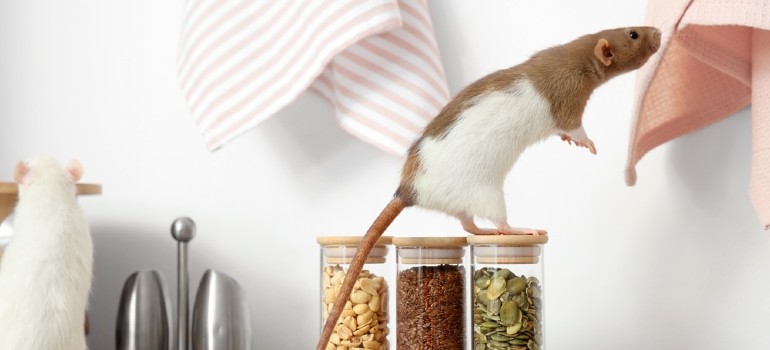
Rodents don’t stay in clean places. They spend their nights running through sewers, drains, and rubbish bins before tracking straight across your kitchen surfaces or into your food storage. As they go, they leave behind urine, droppings, and hair. Rats urinate almost continuously as they move, so any surface they cross gets contaminated, whether that’s a shelf, a chopping board, or the top of a food container.
Mice are just as bad, often worse in confined spaces because they’re harder to spot. By the time you find one dropping near the bread bin, they’ve likely been passing through that area for weeks.
Pathogen Carriage
This is the part that makes pest contamination genuinely dangerous rather than just unpleasant. Pests carry harmful bacteria, viruses, and parasites on their bodies, in their digestive systems, and on their feet. They pick these up from the filth they move through and deposit them onto your food without any fanfare.
- Rodents spread Salmonella, E. coli, and Leptospira through continuous urination and droppings. These pathogens survive on surfaces for hours and can contaminate food preparation areas even if the rodent never touches the food directly.
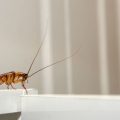
- Cockroaches pick up pathogens from waste and transfer them via their legs, bodies, and regurgitation onto food and prep surfaces. They’re particularly effective at spreading Salmonella and E. coli because they favour warm, humid environments close to food storage.
- Flies land on decaying matter, animal waste, and rubbish, then walk straight onto your food. They can’t eat solid food, so they regurgitate digestive fluids onto it first, depositing whatever pathogens they picked up along the way. It happens fast, often in seconds.
Physical Contamination
Dead insects, shed skins, bird feathers, nesting materials, and insect body parts can mix directly into dry goods. Stored product insects like grain weevils, flour beetles, and biscuit beetles are small enough to live inside a food packet without you noticing. Their larvae, exoskeletons, and eggs end up mixed into flour, grains, cereals, and dried pulses. You might not spot them until you’re mid-recipe.
Packaging Damage
Rodents gnaw through paper, cardboard, and plastic packaging with ease. Once a seal is broken, moisture gets in. Mould follows. And the contents are exposed to whatever the rodent carried. Insects like grain weevils can chew through thin plastic film too. A packet that looks intact from the outside might have a tiny compromised corner that’s let in far more than you’d want to know about.
Airborne Contamination
Dried droppings and pest dander don’t always stay where they fall. In a storage area or near a ventilation system, they can become airborne and settle onto exposed food or food preparation surfaces. It’s less common than direct contamination, but it’s worth knowing about if you’re trying to understand the full picture of how pests contaminate food in a building.

Most food contamination from pests happens days before anyone notices a problem. By the time you find one rodent dropping near dry goods, those goods have often been exposed to urine repeatedly across multiple visits. If you spot any sign of pest activity near food, treat the whole affected area as contaminated and don’t wait to act.
Which Pests Pose the Biggest Risk to Food Safety?
Not all pests pose the same threat. Some are more likely to end up in your kitchen than others, and each one has its own way of causing damage. Here’s a clear look at the main offenders.
Rats and Mice
These are the highest-risk pests in any food environment. They’re active at night, they move quickly, and they leave contamination trails across large areas. Rats are strong enough to gnaw through brick and metal piping, so a cardboard food box is barely a challenge. Both rats and mice spread Salmonella, E. coli, Listeria, and Leptospira through their droppings and urine. Leptospirosis (Weil’s disease) is a serious concern in areas with rat activity near food or water.
Cockroaches
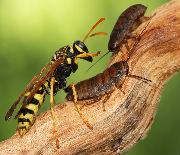
Cockroaches thrive in warm, humid kitchens and commercial food preparation areas. They hide behind appliances, inside wall cavities, and under sinks, coming out at night to forage across food surfaces. They carry Salmonella, E. coli, Staphylococcus, and Streptococcus, and their shed skins and droppings are known allergens that can trigger asthma in sensitive individuals. In food businesses, a cockroach infestation is a serious hygiene violation and can lead to enforcement action under UK food hygiene regulations.
Flies
House flies and bluebottles move fast between unsanitary environments and food. Because they feed by liquefying solid food with regurgitated digestive enzymes, every landing on exposed food is a contamination event. They spread Salmonella, E. coli, Campylobacter, and various intestinal parasites. Fruit flies are less dangerous in terms of pathogens but indicate overripe or decomposing produce nearby, which is a food spoilage issue in its own right.
Stored Product Insects
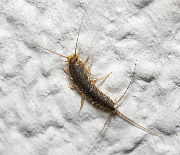
This group includes grain weevils, flour beetles, biscuit beetles, Indian meal moths, and spider beetles. They’re common in pantries, food warehouses, and anywhere dry goods are stored. They don’t typically spread dangerous pathogens, but they physically contaminate food with their bodies, eggs, larvae, and shed exoskeletons. Infested flour or cereal looks normal at first glance, which is what makes them easy to miss and easy to accidentally consume.
Birds
Pigeons and gulls are a real issue in commercial food settings, particularly outdoor food preparation, storage yards, and delivery areas. Bird droppings carry Salmonella, Campylobacter, E. coli, and Listeria. Feathers and nesting materials can contaminate food directly if birds access storage areas. In a food business context, bird activity near loading bays or ventilation intakes is taken very seriously by environmental health officers.
Check also:
How Do You Prevent Food Contamination by Pests?
Prevention is straightforward once you know what you’re dealing with. Most pest activity around food comes down to access and opportunity. Remove both, and you’ve removed most of the risk.
Follow these steps to protect your food storage from pest contamination at home or in a commercial setting.
Seal all entry points
Pest proofing can go a long way. Check for gaps around pipes, under doors, around window frames, and in skirting boards. Rodents can squeeze through a gap roughly the size of a US quarter, so don’t underestimate small holes. Use wire wool, metal kick plates, or expanding filler designed for pest-proofing. Flies and insects need very little space too, so mesh screens on windows and air vents are worth fitting.
Store food in hard-sided containers
Transfer dry goods including flour, cereals, pasta, rice, and pulses into airtight containers with secure lids. Rodents and insects can chew through original paper or cardboard packaging in minutes. Glass jars and thick-walled plastic containers with clip-down lids are the most effective option. This also makes it much easier to spot any pest activity immediately.
Keep storage areas clean and clutter-free
Crumbs, spills, and food residue are an open invitation. Wipe down shelves regularly, clean behind appliances, and don’t let rubbish bags sit out overnight. Clutter gives pests somewhere to hide and nest. The less cover there is, the less appealing the space becomes. This applies to cupboards under the sink, pantry shelves, and food storage rooms equally.
Manage waste properly
Keep bin lids firmly closed and empty kitchen bins daily if you’re storing cooked food waste. Outdoor bins should be kept away from the building where possible and checked regularly for any signs of gnawing or entry. Composting is fine, but an open compost heap near the house will attract rodents. Use a pest-proof compost bin with a solid base.
Inspect deliveries and new stock
This is especially important for businesses but applies at home too. Stored product insects often arrive in food packaging from suppliers. When putting away new shopping, check dry goods packaging for any signs of damage, holes, or unusual residue. If anything looks compromised, don’t store it with other food.
Act on early signs immediately
A single dropping, one nibbled corner of packaging, or a trail of fine flour dust near a shelf are early warnings, not minor irritations. The sooner you act, the smaller the problem stays. If you can’t find the source or the signs keep returning, a professional mice control service will locate the entry points and nesting areas that aren’t visible from a surface-level check.
Worried about pests near your food?
Our pest control technicians can identify the source and make sure your food storage is properly protected.
Contact usWhat Does Pest-Contaminated Food Actually Look Like?
The signs aren’t always obvious. That’s the problem. Most people imagine they’d immediately notice contaminated food, but pests are often well established before anything visible appears. Here’s what to look for, broken down by pest type.
| Pest | Visible Signs in Food or Storage | What to Discard | |
|---|---|---|---|
| Rats / Mice | Droppings, gnawed packaging, grease smears, urine smell | All exposed or open food in the affected area | |
| Cockroaches | Black specks resembling ground pepper, shed skins, musty smell | Any food stored in areas with signs of activity | |
| Flies | Small white eggs or larvae on exposed food, fly specks on surfaces | All affected food immediately | |
| Stored product insects | Live or dead insects in packaging, webbing in grain or flour, fine dust | The affected packet and any open goods stored nearby | |
| Birds | Droppings near storage areas, feathers, nesting debris | Any food stored in or near the contaminated area |
If you’re ever genuinely unsure whether food has been compromised, throw it out. Foodborne illness from pest-contaminated food isn’t worth the risk of saving a bag of rice.
Check also:
What Looks Like Mouse Poop but Isn’t: Identifying Pest Droppings
Frequently Asked Questions
Can pests contaminate sealed food packaging?
Yes, in some cases. Stored product insects like grain weevils and flour beetles can chew through thin plastic film and foil-lined packets that feel intact. Rodents can gnaw through cardboard, paper bags, and softer plastic. Even a small puncture or gnaw mark compromises the seal and allows bacteria, moisture, and mould to enter. Always inspect packaging closely, checking along seams and corners where damage is easiest to miss.
What are the less obvious signs of pest contamination near food?
You won’t always see droppings or live pests. Look for a faint ammonia or musty smell in cupboards, fine powder or dust around packaging (which can be rodent-chewed debris or insect frass), unexplained holes in packaging with no obvious cause, and a slight stickiness on shelves caused by rodent urine trails. These subtle clues often appear well before you spot the pest itself.
How do pests contaminate food in long-term storage?
In storage areas, pests have time to establish nests near food sources. Stored product insects can complete multiple life cycles inside a single infected packet, spreading to neighbouring goods. Rodents will repeatedly visit the same route, leaving urine trails that build up over weeks. Sealed containers slow this significantly, but regular inspection of storage areas is essential even when food appears undisturbed.
What illnesses can you get from pest-contaminated food?
Consuming food contaminated by pests can cause Salmonellosis, E. coli infection, Campylobacteriosis, Listeriosis, and in severe cases Leptospirosis from rodent urine. Symptoms range from stomach cramps, diarrhoea, and vomiting to fever. Vulnerable individuals including children, elderly people, and anyone immunocompromised are at higher risk of serious complications. If you suspect you’ve eaten contaminated food and develop symptoms, contact your GP promptly.
Is food stored near pests safe to eat if it wasn’t directly touched?
Not necessarily. If rodents were present in a storage area, urine contamination covers more surface area than droppings suggest. Airborne dried droppings or dander may have settled onto nearby food. The safe approach is to discard any open or loosely packaged food from the same area, then thoroughly clean the storage space before restocking it with new, properly sealed goods.
Ready to protect your home from pest contamination?
Don't wait for a second incident, get a professional assessment and take back control of your food safety.
Contact usConclusion
Understanding how pests contaminate food gives you a real advantage. It’s not about fear, it’s about knowing exactly where the risks are and what actually prevents them. Proper storage, sealed entry points, and prompt action when signs appear covers the vast majority of scenarios most households and businesses will ever face.
The main thing to take away is this: visible pests are the late sign, not the first sign. Build your habits around the early ones, stay consistent with storage and hygiene, and you’ll spend a lot less time worrying about what might be sharing your kitchen.