


Get the GoFantastic app


How to Get Rid of Ants in Garden Without Killing Plants
Ants rarely harm garden plants directly, so the RHS advises leaving them alone unless a nest is causing a problem. If ant hills are spoiling the lawn, ants are disturbing roots in pots or they’re farming aphids on your plants, deal with that spot: clear the soil, treat the nest itself and keep treatments off your plants.
Do ants harm plants?
Ants are an important part of a healthy garden and eat many other small insects. They do very little direct damage to garden plants. The problems they cause are indirect: they push soil up onto lawns and over low plants while building nests, and they can disturb roots in pots and containers, which makes plants more likely to wilt when the soil is dry.
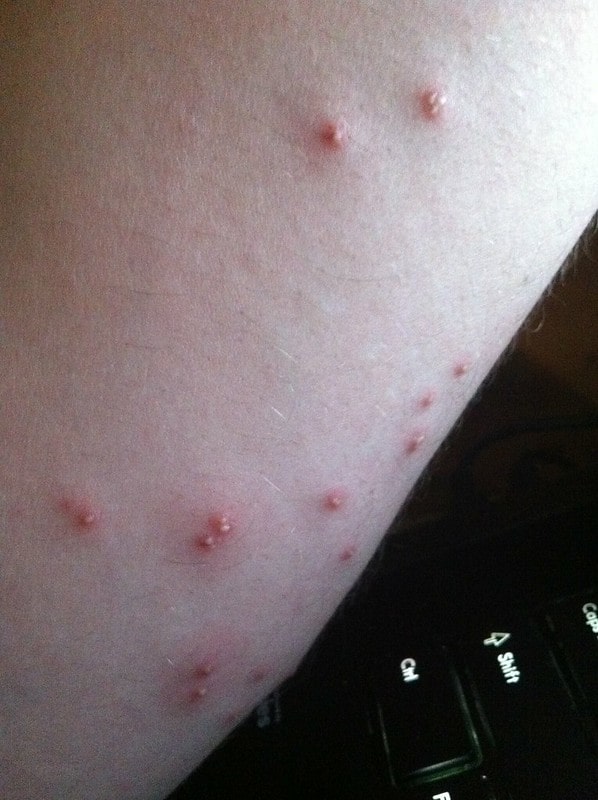
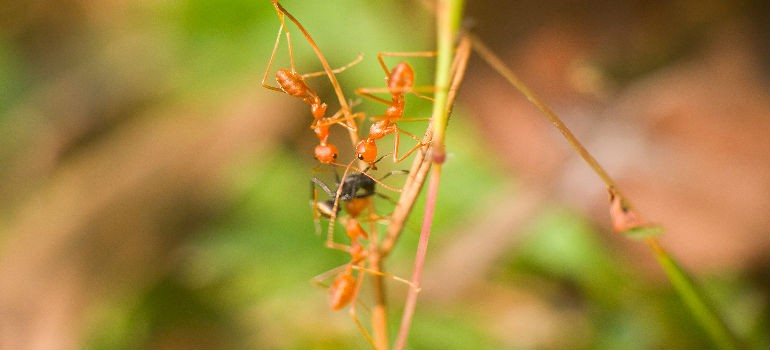
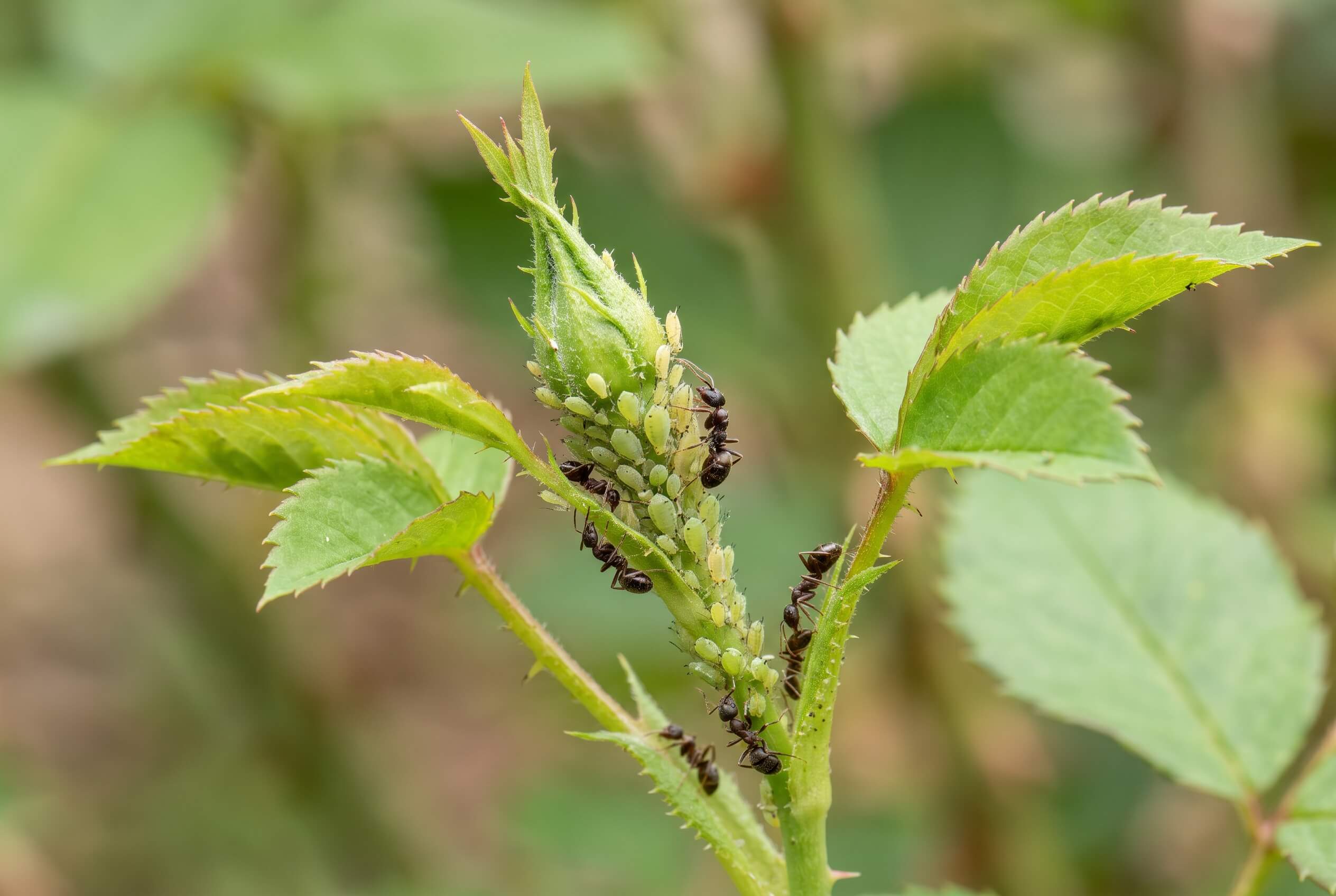
Ants also farm aphids for the sweet honeydew they produce, and protect them from ladybirds and other predators. More aphids can mean more damage to your plants, so if you see ants running up and down a stem, check the leaves for greenfly. Red ants (Myrmica species) can sting, but for most people it’s no more than a minor irritation. See do ants bite or sting.
Do you have ant infestation in your property?
Rely on local exterminator and get professional assistance only with one call.
Why do ants infest gardens?
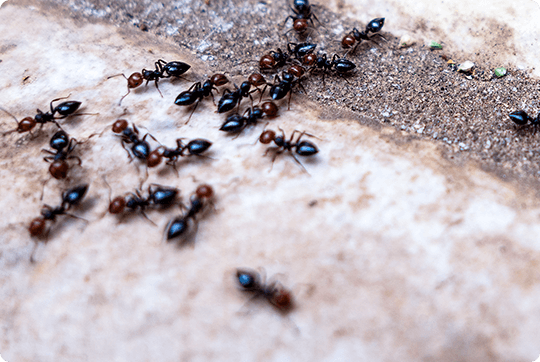
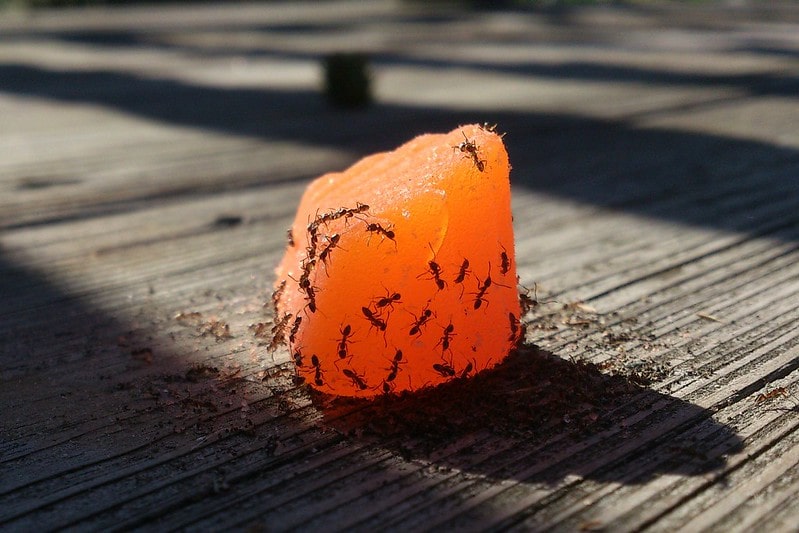
If you notice ants in your garden, they are there for two reasons – shelter or food. When your garden is inhabited by a mass of ants, this means that you have bigger problems – the insects are simply the messengers. They may show that you have sap-sucking insects in your garden. These may be aphids, mites, scales, whiteflies, and mealybugs. Instead of panicking and thinking about how to get rid of ants in the garden, you can focus on the bigger issue – the presence of pests in your garden. Play detective and follow the ants. They will eventually show you where the problem lies.
Why is my garden overrun with ants?
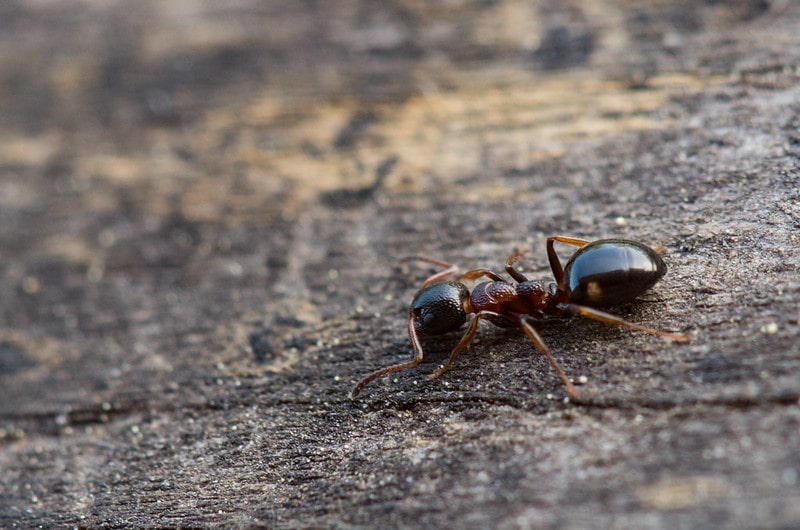
Black garden ants and other types of ants in the UK are most active from April to October, so a garden can seem to fill up with them in spring and summer. Lawns, flowerbeds, compost heaps and the gaps between paving slabs all make good nest sites, and a supply of aphids on nearby plants keeps the colony fed. If you destroy one colony, new queens often move into the same space, so a garden full of ants usually means it suits them, not that something is wrong.
How to get rid of ants in grass naturally
Start by working out where the ants are causing a problem. The best approach depends on whether they’re in the lawn, in your beds, in pots or under paving.
Ants in the lawn
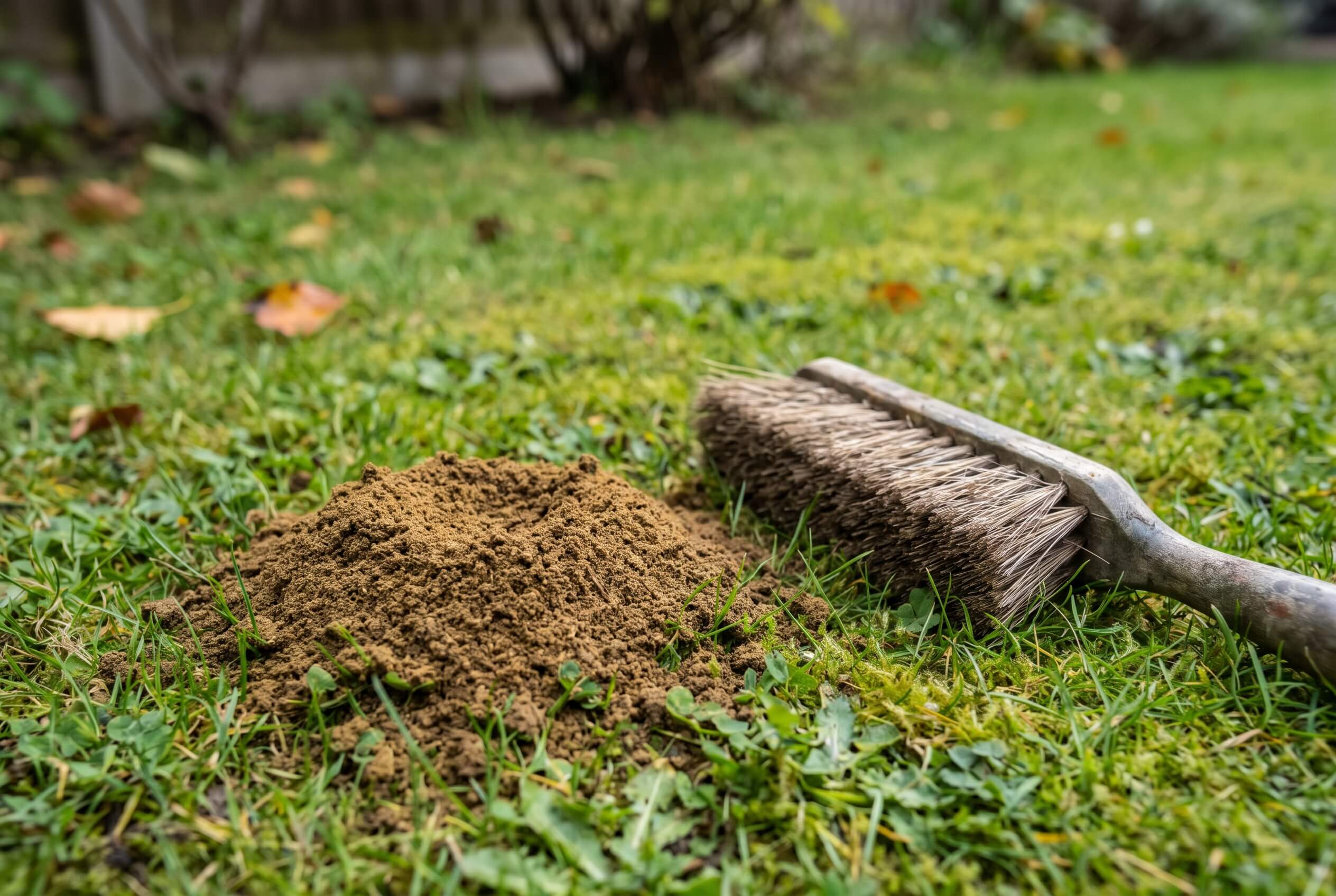
Ant hills on a lawn are soil the ants have pushed up from the nest below (see how to find an ants nest). On a dry day, brush the loose soil away before you mow, or the mower will smear it across the grass. If years of ant activity have left the lawn bumpy, peel back the turf over the raised areas in winter, when the ants are less active, remove the extra soil and relay the turf.
Ants in flower beds and borders
In beds, ants rarely harm established plants. If a nest is burying low-growing plants with soil, gently lift the soil away from the crowns and water the plants well so the roots don’t dry out.
Ants in pots and containers
Ants nesting in a pot can disturb the roots and make the compost dry out faster. Soak the pot thoroughly in a bucket of water for an hour or two, or repot the plant into fresh compost and shake the old compost out away from the garden.
Ants on patios and paths
Ants often nest under paving slabs and in the gaps between them. Brush out the sand they push up, refill the joints with fresh jointing sand or mortar, and treat the nest entrance in the gap rather than spraying the whole patio.
Ants on plants and aphids
If ants are climbing your plants, they’re usually after aphids. Deal with the aphids and the ants lose interest: rub small colonies off by hand or spray them off with water, and encourage ladybirds and other predators. See our guide to dealing with other garden pests.
What kills ants but not plants?
If a nest really has to go, treat the nest, not the plants around it. Two options are kinder to plants than spraying the whole bed:
- Nematodes: a biological control (Steinernema feltiae) sold by some suppliers for ant nests in lawns and flower beds. You water the microscopic nematodes into the soil where the ants are bringing soil up. They can also affect other insects, so use them only where ants are a real problem.
- Ant products for outdoor use: shop-bought ant baits, powders and sprays are insecticides, not weedkillers, but the label tells you where you can and can’t use them. Apply them only to the nest entrance and ant runs, keep them off leaves and edible crops, and follow the label exactly.
If ants are getting into the house from a nest in the garden, see our guide to getting rid of ants in the house or our ant control service.
Garden ant remedies: what really works
| Remedy | What people say | What it really does |
|---|---|---|
| Boiling water | Kills the nest | Damages the nest but is unlikely to destroy it. Use it only on nests in paving or bare soil, away from plant roots. |
| Vinegar | Kills ants and keeps them away | Doesn’t reach the nest. Don’t pour it on beds or the lawn: it can damage the plants it soaks into. |
| Baking soda | Kills ants that eat it | No UK guidance recommends it. It doesn’t reach the nest, so ants keep coming. |
| Cayenne, cinnamon, orange peel | Ants hate the smell | May put ants off a spot for a while. Rain washes them away and the nest is untouched. |
| Chalk line | Ants won’t cross it | A temporary barrier at best. Rain washes it away and the nest is untouched. |
| Washing-up liquid spray | Harmless to plants, deadly to ants | Only affects the ants it hits. The nest is untouched. |
| Borax or boric acid with sugar | A cheap homemade ant killer | Don’t mix your own poison. Use a ready‑made ant product and follow the label. |
| Diatomaceous earth | A natural insect powder | Sold as an insecticide, so follow the label and keep it away from children and pets. |
| Nematodes | A natural way to treat nests | A real biological control for nests in lawns and beds. Can also affect other insects. |
For ants indoors, see the home remedies table in our guide to getting rid of ants in the house.
We distribute educational information according to the experience and professional knowledge of the pest technicians. However, we don’t provide any medical advice.
Garden ants: your questions answered
How can I get rid of ants from my plants without killing them?
What is the best ant killer for gardens?
Does ant powder kill plants?
Stop dealing with returning ants and arrange professional treatment.
Find out more about xPest