





If you’re trying to work out how to get rid of woodlice in the home naturally, you’re in the right place. This guide covers woodlice specifically, along with the other common household pests, rodents, spiders, and ants, that tend to show up uninvited. The good news is that none of them requires harsh chemicals to deal with. Human activity has caused a steep decline in insect numbers across the globe, which unfortunately includes beneficial species, too. So, the aim here is to “evict” them rather than just kill each bug.
When dealing with household pests, it is easy to get frustrated, especially if they are particularly obnoxious. Nevertheless, most people would prefer to get rid of invaders as humanely as possible. In many pest control products, the combination of efficacy and lethality still prevails.
So, is it possible to keep your home pest-free with only non-lethal and humane measures? Keep reading to find out!
TL;DR
- Most common household pests, woodlice, ants, and even some rodent problems, come down to one root cause: fix it and the pest issue usually resolves on its own.
- Woodlice are drawn indoors by damp and moisture. A sudden influx points to a specific issue nearby, such as a leaky pipe, rising damp, or poor ventilation, rather than general seasonal wandering.
- Glue traps for rodents are now illegal under the Glue Traps (Offences) Act 2022 and cause unnecessary suffering. Sealing entry points is the only lasting fix, since mice can squeeze through gaps the size of a coin.
- Spiders are beneficial and best handled without lethal methods: regular cleaning, vacuuming webs and egg sacs, and a simple cup-and-paper catch-and-release do the job.
- Ants are drawn in by food sources above all, so a clean kitchen, sealed bins, and blocked entry points (caulk, weatherstripping) matter more than any repellent.
Table of Contents
Woodlice
Woodlice are helpful outside, breaking down dead plant matter and keeping the soil healthy. Inside your home, though, they’re a sign something’s off. Finding them indoors almost always points to a damp problem somewhere in the building. The good news is that there are plenty of natural methods for getting rid of woodlice in the home that don’t hurt the insects or involve harsh chemicals.
What does a woodlouse look like?
Woodlice are oval-bodied crustaceans, roughly 10 to 15mm long, grey-brown in colour, with 14 legs and a segmented shell. If you’ve spotted a small grey bug in the house that rolls into a tight ball when disturbed, that’s likely Armadillidium vulgare, the pill woodlouse. The common rough woodlouse (Porcellio scaber) looks similar but stays flat when threatened. Both are harmless.
Why do woodlice end up in the house?
Woodlice need moisture to survive. That’s really the whole story. Outside, they hang around under leaf piles, in woodpiles, and in compost heaps. If they’ve made it indoors, it’s because your home is offering something similar: a damp, dark corner that suits them just fine.
A handful of woodlice now and then is fairly normal, especially after wet weather. But if you’re seeing a lot of them, that’s a different matter. A sudden influx usually means a specific moisture source nearby rather than a general seasonal wander in. Think a slow leak under a sink, rising damp in a ground-floor wall, or condensation building up in a poorly ventilated room. Find that, and you’ve found the real problem.
Common spots where woodlice hide indoors include:
- Corners of basements and cellars
- Under sinks, especially if there’s a drip
- Near leaky pipes or damp walls
- Bathrooms with poor ventilation
How to get rid of woodlice in the home naturally
Here are four practical steps to get rid of woodlice without reaching for anything toxic. Work through them in order — moisture first, everything else after.
A step-by-step process for removing woodlice from the home using only natural, non-toxic methods.
Fix damp and leaks – Woodlice can’t survive without moisture, so this is the single most important step. Check under sinks, around pipes, in basements, and along ground-floor walls. Fix any leaks you find. If certain rooms are consistently humid, run a dehumidifier to bring the moisture level down.
Seal gaps and cracks – Woodlice squeeze in through tiny openings around windows, doorframes, and where pipes meet walls. Work your way around the affected areas with silicone sealant or caulk, and fit weatherstripping under any external doors that have a gap.
Declutter damp storage areas– attics, cellars, and under-stair cupboards that have built up clutter give woodlice exactly the dark, sheltered conditions they’re after. Clear them out and, where possible, keep the air moving with a fan or dehumidifier to stop moisture settling.
Tidy the garden perimeter – Woodlice don’t appear from nowhere — they walk in from outside. Remove leaf piles, rotting plant material, and damp debris from directly against the building. Clear the gutters regularly too, since blocked gutters are a reliable source of moisture that eventually works its way down walls.
One note if you’re a gardener: woodlice in a compost heap are doing exactly what they should be doing — breaking down organic matter and helping the process along. The natural methods above are specifically for indoor infestations. Leave the garden compost crew to it.
What smells do woodlice hate?
Strong scents are your secret weapon here. Woodlice avoid them consistently, which makes certain essential oils and natural fragrances a genuinely useful deterrent, not just a nice idea.
Here are the scents woodlice hate most:
- Cinnamon — Dust it into corners, gaps, and the spots where woodlice tend to creep in.
- Peppermint oil — Mix a few drops into a spray bottle with water and apply around windows, doorframes, and damp areas.
- Citrus peels — Don’t throw away orange and lemon peel. Place it near the areas where woodlice are appearing.
- Oregano oil — A few drops mixed with water and sprayed onto damp areas will send them packing.
These work as a woodlice repellent and will leave your home smelling considerably better into the bargain. They won’t solve a serious damp problem on their own, but as part of a broader approach they’re well worth using.
Will vinegar kill woodlice?
Yes, it will. A diluted white vinegar spray — equal parts water and white vinegar — kills woodlice on direct contact and deters them from treated areas for a while afterwards. It’s cheap, natural, and safe to use around most surfaces. That said, it’s not a long-term fix. Vinegar deals with the woodlice you can see; it doesn’t deal with the moisture that’s drawing them in. Use it as a woodlice spray to treat a specific hotspot while you tackle the underlying damp issue alongside it.
Does salt kill woodlice?
Salt desiccates woodlice on direct contact — it draws moisture out and kills them quickly. As a long-term indoor treatment, though, it falls flat. It can stain and damage flooring and surfaces, it needs reapplying constantly, and it does nothing about the moisture that attracted the woodlice in the first place. Use it as a very short-term spot measure if you need it, but don’t rely on it. See the FAQ below for a fuller answer.
When does a woodlice problem become a serious infestation?
A few woodlice in the kitchen or bathroom isn’t a crisis. Work through the steps above and they’ll typically clear up within a couple of weeks. If they’re not shifting after two to three weeks of effort, or you’re finding them in multiple rooms across the house, that’s a different situation. At that point, the volume of woodlice is telling you there’s a more serious moisture problem underneath, possibly rising damp, a failing damp-proof course, or a hidden leak that needs locating. Natural methods can only do so much if the structural cause hasn’t been addressed.
Are you dealing with a pest infestation?
You don't have to be alone in the battle against pests. Hire a professional pest expert!
Call usRodents
When it comes to rodents, the only real solution is prevention. While glue traps are a cheap and easy method of pest control, they’re also extremely cruel. These traps can cause immense suffering to rodents, as they can stay alive for at least 24 hours before ultimately dying in agony.
Additionally, glue traps pose health risks for all small animals. Their use is now banned under the Glue Traps (Offences) Act 2022. Furthermore, in the last five years alone, the RSPCA has received over 200 reports of animals not considered pests, such as wild birds, hedgehogs, and pets, getting stuck in them.
Effective rodent control programs integrate deterrents, repellents, and exclusion strategies. No matter how humane the traps are, if you don’t solve the root cause, rodents will keep coming into your home.
Food sources and shelter, whether indoors or outdoors, are important to rodents.
Therefore, rodent-proofing the building will prevent them from entering. Keeping mice or rats out of your home means finding out where they’re getting in and sealing it up. It’s that simple, but unfortunately, that challenging. Adult mice can squeeze through a hole the size of a coin.
Check also: How to Find Mice Entry Points
Furthermore, if you live in a flat, you probably won’t have access to its external entry point, so you will need to set up a ring fence on the inside. The first thing to do is to search for droppings. Look for gaps where pipes lead to walls and floors. Steel wool is a good idea for filling cracks and holes, as mice cannot bite through it.
Check also: Rat Prevention – Tips & Tricks for Rat Exclusion
Then, once the property has been rodent-proofed, you can set a live trap and remove any rats/mice that remain inside. You can also reduce outdoor hiding places by keeping grass and vegetation trimmed back and storing outdoor furniture, grills and BBQs far away from buildings.
Check also: What Smells Do Mice Hate
Spiders
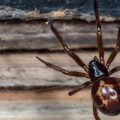
Spiders are considered beneficial, so we recommend limiting the use of lethal methods when possible. You need to thoroughly clean the house if you want to get rid of spiders. Remove webs and dead spiders, as well as any eggs and younglings. A vacuum cleaner will work perfectly.
Additional precautions, such as sealing off potential spider harbouring spots in garages and basements, can reduce the risk of contact with spiders.
You can also just use the classic cup and paper catch and release method!
Ants
You don’t need to use toxic chemicals to prevent ants from entering the house. Get rid of any sources of attraction, such as food sources for ants, if you want to eliminate them.
Keep your home clean
Your kitchen is an important place that needs to be kept clean. Use vinegar and water as a cleaning solution for countertops, floors, and cabinets. Don’t leave crumbs or rubbish lying around. In addition, keep waste bins tightly sealed and all food, including pet food, out of sight.
Garden and backyard maintenance
Trim back the vegetation in your garden, remove any furniture and debris near the house, and store away any objects that may attract moisture when not in use (children’s pools, flowerpots, etc.).
Natural repellents
Repellents made from natural ingredients will keep ants away. You can place cinnamon sticks, coffee grounds, chilli peppers, paprika, cloves, or dried peppermint leaves near openings to deter ants. If you have a lemon on hand, squeeze the juice and leave the peel close to the entry spot. Mint can also keep ants away if planted around the house’s foundation.
Check also: How to Get Rid of Ants Invasion in Your Home
Essential oils
Lemongrass, peppermint, citrus, cinnamon, cedar, tea tree, eucalyptus, clove, and citrus oils are other natural ant control. If you need a spray to tackle problem areas, mix 50/50 of your preferred oil with water.
Even ants care about the environment. As with so many creatures we incorrectly label ‘pests,’ ants play a crucial ecological role. They help aerate the soil and mix it when they build their tunnels, just like earthworms.
Baby (talcum) powder
Ants seem to dislike the texture of baby powder for some reason. There is a chance it is because it throws off the scent of the trail, but it’s hard to be sure without a pair of antennae. Whatever the case may be, baby powder works to repel ants naturally, so sprinkle it near your house’s entry point, and they won’t come in.
Block all entry points
Finding out where the ants are coming from should be first on your to-do list. Try to figure out where the ants entered your home by following them. Remember that ants can fit through almost any small opening, so use caulk to seal up all possible entry points. Weatherstripping should be applied under doors.
Are you dealing with a pest infestation?
You don't have to be alone in the battle against pests. Hire a professional pest expert!
Call usIn conclusion
At Fantastic Pest Control, we aim to use safe, effective, and non-intrusive methods to rid your home of undesirable inhabitants. And, to help you avoid infestations in the first place, we can offer you advice on how to maintain your home and make it an uninviting destination for pests.
The most important steps you can take are to keep your home clean, seal any possible entry points, and make your home uninviting to potential pest intruders. And should you need professional help, you can always turn to the experts at Fantastic Pest Control.



Leave a Reply