




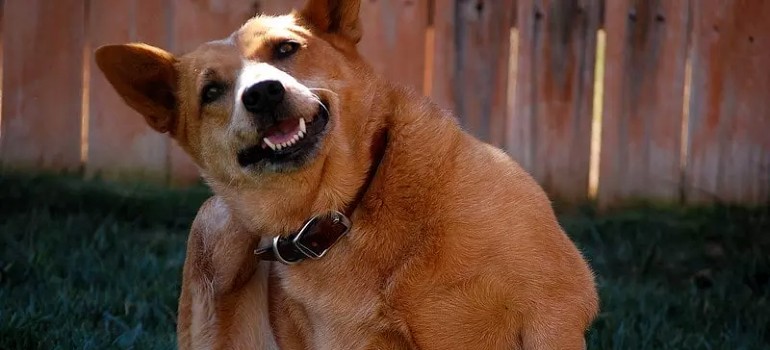
Summer is the perfect time to take full advantage of your garden, spend more time outside under the sun and recharge your batteries. However, your time soaking up the sun and relaxing around the garden can be annoyingly disturbed by an unwelcome flea infestation.
The risk of getting fleas in your garden or inside your home is pretty high during this season, especially if you own pets. The most common carriers of these crawling pests are dogs, cats, rodents and humans.
Knowing how to get rid of fleas in your garden starts with understanding where they hide and which natural methods actually work. This guide covers both.
TL;DR
- Fleas in the garden favour shady, moist spots — under trees, shrubs, leaf piles, and along fences.
- The most effective natural removal methods include diatomaceous earth, beneficial nematodes, and cedar mulch.
- Keep grass short, reduce shade, and avoid overwatering to make your garden inhospitable to fleas.
- Flea infestations can last weeks to months due to the pupal stage, which is resistant to most treatments.
- Always treat your pets and home at the same time as the garden to prevent reinfestation.
- Rodents carry fleas into gardens — controlling rats and mice reduces infestation risk significantly.
Table of Contents
Where Do Fleas Live in the Garden?
Fleas prefer shady, cool and moist places. Their favourable spots around the garden are under trees, shrubs, and fallen leaves. One place they don’t feel comfortable is in open grass or sunny areas.
Once you determine that your household may be infested, the first place to check is the areas your pets are most frequently. Inspect the places where your cat or dog likes to sleep, rest, dig holes and generally where they like to play and roll about. Look around the doghouse, kennel, outdoor furniture, and shady trees. Also, check out the patio, underneath the porch, along fences, and around your house’s perimeter.
It’s best to keep the pets out of the hot spots of the infestation until you eradicate the pests completely. Otherwise, it’s very easy for one flea to jump on the dog or cat, and your efforts will be for nothing.
Learn also about the beneficial garden insects
How Long Can Outdoor Flea Infestations Last?
Outdoor flea infestations typically last several weeks to several months. This is because the pupal stage of the flea life cycle can remain dormant for weeks before hatching, and eggs laid on pets fall into garden soil where larvae can survive without a host. Complete eradication usually requires repeated treatment.
It is not a one-time effort to get rid of fleas. Since fleas have a long life cycle, it may take weeks or even months to get rid of them. The first time a female flea feeds on a host, the flea’s life cycle begins. As soon as she does this, she instinctively lays up to 20 eggs on the animal’s fur.
Then, they fall on the ground and fleas stuck in the fibres of your carpet and furniture or in the yard where your pets typically hang out. A legless embryo or larvae hatches from the eggs and lives off the pre-digested blood of the mother, meaning they do not require a host to survive.
After larvae emerge, they transform into pupae, a stage that can last weeks or even months. This is because fleas will not emerge until they detect a potential host by sensing vibrations and changes in carbon dioxide levels. To note here, an increase in temperatures also affects the flea’s life cycle.
Learn: What Kills Fleas in Carpet Naturally
How to Treat the Garden for Fleas?
A step-by-step guide to getting rid of fleas in your garden naturally, covering prevention, active treatment, and ongoing maintenance.
Mow your garden
Long grass and unkept vegetation are ideal for fleas to hide in. If you want to make it an unpleasant habitat for fleas and their predators like ants and spiders, better mow the grass regularly to keep it short.
Clean your outdoor space
Clear the garden of fallen leaves, pick any weeds, and remove any trash and organic debris that can offer a place for fleas to hide and lay eggs. Pay attention to the edges of the garden and keep it tidy to prevent fleas from transferring from the street or neighbours’ gardens. Stacked wood and piles of rocks are also ideal breeding grounds for fleas. The more clutter there is, the more places fleas can take advantage of and hide.
Regulate the moisture
Fleas love moisture which is favourable for their living conditions. Make sure not to overwater your grass and plants. Avoid making the garden even more of a favourable environment for insects.
Allow more direct sunlight
Darkness is best for fleas. Therefore, try to reduce the areas under shade around the garden. Trim the lower branches of the trees and bushes to let more direct sunlight in.
Treat your lawn
Use specialised flea spray for garden treatment to kill existing fleas and their laid eggs and deter new ones from infesting the place. Alternatively, you can use professional assistance from a flea pest control specialist.
Flood the infested areas
Once you have treated the yard for fleas, you still need to go after their eggs and larvae. The most likely places where fleas breed are moist, shady places. Hose down the areas around trees, shrubs, flower beds, and rock mounds and slightly flood the grass. Anything left from the infestation won’t survive the flooding and will die in the water.
Mulch with cedar
Lay cedar mulch in the flower beds, or you can use it anywhere you’d like around the garden as a surface. Cedar is a natural flea repellent and will help keep them away. Preferably use it throughout the yard’s perimeter so that it can deter fleas from getting into your yard.
Use nematodes
A natural way to get rid of fleas is to introduce nematodes in your garden. They are often referred to as roundworms and are almost microscopic organisms that live in the soil. They will not only destroy any fleas but also will control other garden pests such as ants, worms and termites. You can buy them in any garden centre or online. When you get them, open the package, add the necessary amount of water as described in the directions on the product label and spray the nematodes in your garden.
Diatomaceous earth for flea extermination
Another natural method to fight fleas is using diatomaceous earth (DE), which is free of harmful toxins. It’s made from fossilised remains of a type of algae called diatoms. This natural pesticide kills fleas and is completely safe for people and pets.
You can spread the dust all around your garden, especially around heavily infested areas. The only disadvantage is that the DE works only in its dust form. That is why you can use it in dry conditions and avoid treating the garden during the wet months.
Keep rodents away from your garden
Get rid of rats or mice in the garden, and try to prevent them and other creatures from entering or living around your backyard. They, by themselves, are enough of trouble, but they are one of the carriers of fleas as well. So do what you can to keep them out by using traps, avoiding bird seeds and making your garden less friendly to them.
See related posts: How to Get Rid of Rats in the Garden Without Poison? | Get Rid of Rats in Your Home
Assure your home and pets are clean
Clean your house, vacuum every room and treat every room from the infestation. Then, groom and treat your pets to kill any fleas that may have gotten to them. This will ensure that any fleas on your cat or dog are gone and will put an end to the infestation in your home.
Check also: How do I know if my dog has fleas?
Learn How to Get Rid of Ticks in the Garden
Frequently Asked Questions
Can fleas live in garden soil?
Yes. Flea eggs laid on pets fall into soil where they hatch into larvae. Larvae live in the top layer of soil, leaf litter, and organic debris, feeding on adult flea faeces. Moist, shaded soil is particularly hospitable. This is why treating the soil with nematodes or diatomaceous earth is effective.
Does vinegar kill fleas in the garden?
Vinegar does not kill fleas directly, but diluted apple cider vinegar can act as a mild repellent when sprayed on pet bedding or around the garden perimeter. It is not strong enough to eliminate an active garden infestation on its own and should be used alongside proven methods like nematodes or diatomaceous earth.
How quickly do nematodes work on fleas?
Beneficial nematodes (particularly Steinernema carpocapsae) typically begin killing flea larvae within 24 to 48 hours of application. Full effect is usually visible within one to two weeks. Results depend on soil temperature — they work best above 10°C — and moisture. Apply when the soil is damp and avoid direct sun after application.
Are you dealing with a pest infestation?
You don't have to be alone in the battle against pests. Hire a professional pest expert!
Call usConclusion
In your fight with the garden flea infestation, knowing how to get rid of fleas in your garden by making it inhospitable is the most important step. The acrobatic insects thrive in hot, humid weather, darkness and tall grass. They literally jump on the opportunity to hide under fallen leaves, in the sand and dusty, moist places or under organic debris laying around.
That’s why keeping your garden clean, mowing the lawn regularly and keeping the area along the fences and walls clear is important. Always keep your pets protected and look for signs of a new infestation because fleas are active almost all year round.
Image by: Donnie Ray Jones / License: CC BY 2.0



Leave a Reply