



You’re lying in bed one night and you notice a few itchy red marks on your neck. Then you spot one near your hairline. Your mind starts racing. You pull back the sheets, squint at the mattress seam, and the dread sets in fast. Bed bugs. Or at least, you think it might be. And the first question that comes up, almost every time, is the one nobody really wants to ask out loud: can bed bugs live in your hair?
It’s a reasonable fear. Especially if you’ve dealt with head lice before, or if you’ve seen enough online horror stories to send you spiralling at midnight. This post cuts through the noise. What you find out might not be what you expect, but it will give you a clear picture of what you’re actually dealing with.
TL;DR
- Bed bugs cannot live in your hair — they prefer dark, still hiding spots like mattress seams and furniture joints.
- They might briefly wander onto the scalp to feed, but they don’t stay, nest, or breed there.
- Bites near the hairline or scalp are possible, but bed bugs are not the same as lice — the treatments are completely different.
- Physical signs like blood spots, shed skins, and a musty odour in your bedroom are more reliable indicators of an infestation than scalp irritation alone.
- Treating your hair won’t solve a bed bug problem — you need to treat the environment.
- Professional pest control is often the most effective route if the infestation is established.
Table of Contents
Do Bed Bugs Live in Your Hair?
No, bed bugs do not live in your hair. They don’t have the anatomy for it, and your hair doesn’t offer the kind of environment they need. Bed bugs are flat, seed-shaped insects that hide in tight, dark, stationary spaces. Hair is warm, moving, and exposed — everything they tend to avoid. They might crawl across your scalp briefly during a night feed, but they won’t nest, breed, or remain there.
This is one of the most common misconceptions about bed bugs, and it makes sense why people get confused. If you’re waking up with itchy bites near your hairline or on your neck, the brain jumps straight to “”something is living in my hair.”” That’s a natural reaction. But the biology just doesn’t support it.
Bed bugs are opportunistic feeders. They come out when you’re still and asleep, take a quick feed, then retreat. The scalp might be a feeding site if it’s the most accessible skin, but it’s never a home. Their real address is the seam of your mattress, the back of your headboard, or a crack in a bedside table leg. That’s where they spend their time between meals.
Check also: Common Questions About Bed Bugs
How Do You Identify Bed Bug Bites Near the Scalp?
Bed bug bites near the scalp typically appear in a line or cluster, show up after sleeping, and are accompanied by bites elsewhere on the body. If irritation is limited to the scalp only and constant throughout the day, lice are far more likely. Finding no insects in your hair, but spotting signs in your mattress, points firmly to an environmental infestation.
Here’s what to look for more specifically:
- Bite pattern: Bed bug bites often appear in a rough line or cluster of three. They don’t tend to be random and scattered like mosquito bites.
- Bite location: Bites near the hairline, on the neck, behind the ears, and on the forehead are possible. But if that’s the only area affected, consider whether you might be dealing with lice instead.
- Wider body bites: Bed bug bites almost always appear on other exposed areas too, like arms, shoulders, and legs. If it’s just the scalp, bed bugs are less likely the culprit.
- Timing of irritation: Bed bug bites typically appear after sleeping and tend to be noticed in the morning. Itching that’s constant throughout the day points more toward lice.
- Physical signs in the hair: The British Association of Dermatologists say that head lice leave small white eggs (nits) firmly attached to individual strands close to the scalp. Bed bugs leave nothing like this in hair.
- No live insects found: If you’re combing through your hair and finding nothing, but your mattress or headboard shows other signs of infestation, the source is almost certainly environmental rather than on your person.
The key is not to panic and reach for lice treatment if the actual problem is in your mattress. Getting that distinction right matters a lot for how you respond.
Bed Bug Behaviour: Why Hair Isn’t Their Home
To really understand why bed bugs avoid hair, it helps to look at how they’re built and how they actually behave. This isn’t a pest that adapts to wherever it lands. It has very specific preferences, and your scalp doesn’t meet any of them.
Anatomy and Preferences
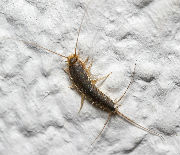
Bed bugs are small, flat, and oval-shaped, roughly the size of an apple seed when fully grown. That flat shape is the key: it lets them squeeze into incredibly narrow gaps. Think mattress seams, wallpaper edges, the joints of a wooden bed frame, electrical outlet covers. They need that tight fit to feel secure. Hair offers none of that. It moves when you move, it shifts when you sleep, and it doesn’t give them anything to grip or hide behind properly.
They also lack the specialised claws that lice use to grip hair shafts. Lice are literally designed for life in hair. Bed bugs are not. Trying to live in hair would be, for a bed bug, about as practical as trying to sleep on a trampoline.
Feeding Patterns and Habitats
Bed bugs are nocturnal feeders. They detect the carbon dioxide you breathe out and the warmth of your body, and they emerge from hiding to feed, usually for between five and ten minutes. Then they retreat. They’re not interested in staying anywhere near you once they’ve eaten.
Their preferred habitat is always close to where you sleep or rest, but never on you. Classic spots include:
- Mattress seams and box spring edges
- Behind headboards and along bed frames
- Inside small cracks in furniture near the bed
- Behind loose wallpaper or skirting boards close to sleeping areas
- Inside electrical sockets on bedroom walls
The point is they want to be close enough to find you at night, but tucked away and safe the rest of the time. Your hair is the opposite of that. It’s exposed, it moves, and there’s nowhere to hide in it.
Check also: Bugs that Look Like Bed Bugs
How Do Bed Bugs Compare to Other Hair-Infesting Parasites?
Bed bugs, lice, and fleas are three very different pests. Bed bugs live in furniture and only visit skin to feed. Lice live permanently in hair and are built to grip individual strands. Fleas prefer animal fur but can bite humans. If something is actually living in your hair, it’s almost certainly lice. The treatments are completely different, so identifying the right pest first is essential.
| Feature | Bed Bugs | Head Lice | Fleas | |
|---|---|---|---|---|
| Size | Around 4–5mm long, roughly the size and shape of an apple seed | Usually 2–3mm long, similar in size to a sesame seed | Small, fast-moving insects, usually around 1–3mm long | |
| Live in Hair? | No. Bed bugs do not live in human hair and prefer to hide close to sleeping areas | Yes. Head lice are adapted to live on the human scalp and cling to hair shafts | Occasionally, but they prefer animal fur and are more commonly linked to pets | |
| Preferred Habitat | Mattresses, bed frames, furniture, cracks, crevices, and other hiding spots near the bed | The human scalp and hair, especially around the ears and the back of the neck | Animal fur, carpets, rugs, pet bedding, soft furnishings, and floor cracks | |
| Visible Eggs | Eggs are usually hidden in furniture, mattress seams, and cracks rather than in hair | Nits are attached firmly to hair shafts and are often visible close to the scalp | Eggs are usually found in carpets, pet bedding, soft furnishings, or areas where pets rest | |
| Bite Location | Usually on exposed skin during sleep, including arms, shoulders, neck, face, legs, or the body | Mainly around the scalp, neck, and behind the ears where lice feed and move | Commonly around the ankles, legs, and feet, especially after walking through infested areas | |
| Treatment Approach | Requires environmental treatment of the home, including beds, furniture, cracks, and hiding places | Usually treated with medicated shampoos, lotions, and regular fine-combing to remove lice and nits | Requires pet treatment together with home treatment, including carpets, bedding, and soft furnishings |
Don’t treat for lice when the problem is in your mattress. It won’t help, and you’ll lose time while the infestation spreads further.
Check also: Spider Bite or a Bed Bug Bite? Here’s How to Tell the Differences
What Are the Signs of Bed Bugs in Your Home?
The most reliable signs of a bed bug infestation are found in your bedroom environment, not on your body. Look for rust-coloured blood spots on bedding, dark specks of excrement along mattress seams, shed skins near furniture joints, and a sweet musty odour in the room. Spotting any of these means you need to act quickly, not just check your hair.
Prevention Going Forward
- Inspect second-hand furniture thoroughly before bringing it indoors.
- Check hotel room mattresses and headboards when travelling, and keep luggage off the floor.
- Reduce clutter around sleeping areas to eliminate hiding spots.
- Regularly inspect mattress seams and bed frame joints as part of your routine cleaning.
- Use protective mattress covers as a long-term measure.
If the infestation is well-established, DIY methods often aren’t enough. A professional bed bug control service treats the whole environment systematically, targeting bugs at every life stage rather than just the ones you can see.
Conclusion
So, can bed bugs live in your hair? No, they really can’t. Not in any meaningful way. They might briefly pass across the scalp during a night feed, but they have no interest in staying there. Their whole biology is built for life inside cracks, seams, and tight dark spaces, not on a moving, warm human head. The fear is understandable, but it’s misdirected.
The bigger takeaway is this: don’t treat the wrong thing. If you’re dealing with bites around the scalp, take the time to work out whether you’re looking at bed bugs or lice, because the treatments are completely different. If the evidence points to bed bugs, the answer is always to treat your home thoroughly, not your hair or your skin.